
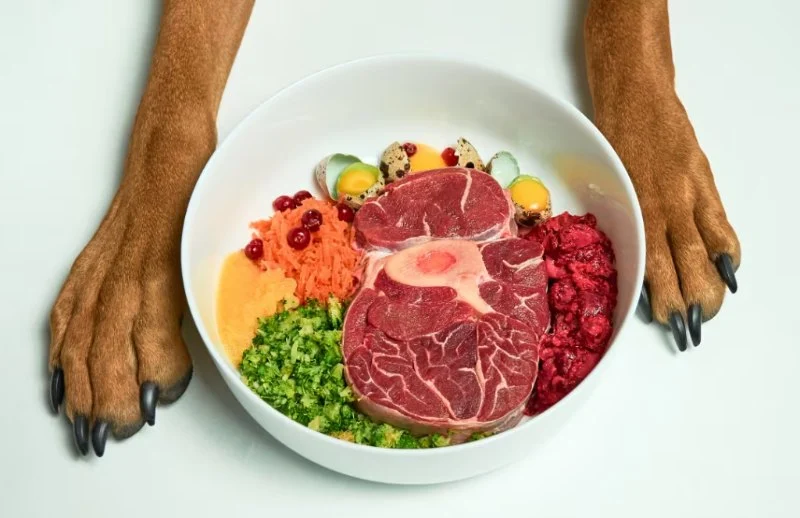
Raw Food Diets for Pets: Pros, Cons, and Veterinary Opinions
- 1. Understanding Raw Food Diets for Pets
- 2. Pros of Raw Food Diets for Pets
- 3. Cons of Raw Food Diets for Pets
- 4. Veterinary Opinions on Raw Food Diets
- 5. How to Start a Raw Food Diet for Your Pet
1. Understanding Raw Food Diets for Pets
A raw food diet for pets, also known as the "BARF" (Biologically Appropriate Raw Food) diet, involves feeding pets uncooked meat, bones, fruits, and vegetables. Many pet owners opt for this diet with the belief that it mimics the natural diet of wild animals and provides various health benefits for their pets, including improved digestion and a shinier coat.
Raw food diets are based on the idea that domesticated animals, like dogs and cats, have evolved from carnivorous ancestors and would thrive on a diet closer to their natural eating habits. However, this diet is still a topic of debate among pet owners, veterinarians, and nutritionists.
2. Pros of Raw Food Diets for Pets
While raw food diets for pets can be controversial, there are several perceived benefits that many pet owners swear by:
2.1 Improved Coat and Skin Health
One of the most common reasons people switch their pets to a raw food diet is to improve their coat and skin health. Proponents of the raw food diet claim that the high protein content and healthy fats from raw meat can lead to shinier coats, less shedding, and healthier skin.
2.2 Better Digestion
Raw food diets are often praised for being easier to digest than processed kibble. This is because raw food contains fewer additives and preservatives, and the natural enzymes in raw food may help improve digestion and absorption of nutrients.
2.3 Increased Energy Levels
Many pet owners report that their pets experience a noticeable increase in energy levels after switching to a raw food diet. This could be due to the higher quality of nutrition found in raw foods, which are closer to their natural form than processed alternatives.
3. Cons of Raw Food Diets for Pets
Despite the benefits, raw food diets for pets also come with significant drawbacks and risks. It is important to weigh these against the benefits before making the switch:
3.1 Risk of Bacterial Contamination
One of the most serious concerns about raw food diets is the risk of bacterial contamination, including harmful bacteria such as Salmonella and E. coli. These bacteria can cause serious illness in both pets and humans, especially if food handling and hygiene practices are not followed properly.
3.2 Nutritional Imbalances
Creating a balanced raw food diet requires knowledge and precision. Many pet owners may inadvertently create a diet that lacks essential nutrients, leading to nutritional imbalances. For example, a diet that lacks the proper levels of calcium or phosphorus can lead to bone and joint issues in pets.
3.3 High Cost and Preparation Time
Raw food diets can be expensive and time-consuming to prepare. Pet owners need to source high-quality meat, fruits, and vegetables, and may need to make special arrangements to ensure that the food is balanced and safe for their pet.
4. Veterinary Opinions on Raw Food Diets
Veterinarians are divided on the issue of raw food diets. Some support raw feeding for its potential health benefits, while others raise concerns about the safety and long-term effects of such diets.
4.1 Support for Raw Food Diets
Some veterinarians, particularly those with a holistic approach to pet health, believe that raw food diets can promote better overall health. They argue that raw food diets provide pets with more natural nutrients and that the elimination of processed foods can reduce the likelihood of obesity and other diet-related conditions.
4.2 Caution and Concerns
On the other hand, many veterinarians express caution about raw food diets due to the risk of bacterial infections and the challenge of maintaining a balanced diet. They typically recommend commercially prepared pet food that meets nutritional guidelines to ensure pets get all the nutrients they need.
4.3 Research on Raw Diets
Veterinary experts generally agree that more research is needed to fully understand the benefits and risks of raw food diets. While some studies show promising results in terms of digestion and skin health, there is still concern about the potential long-term risks and nutritional gaps.
5. How to Start a Raw Food Diet for Your Pet
If you're considering switching your pet to a raw food diet, there are several important steps to take:
5.1 Consult Your Veterinarian
Before making any changes to your pet's diet, it is essential to consult with your veterinarian. They can provide guidance on whether a raw food diet is appropriate for your pet’s specific health needs and how to ensure it is nutritionally balanced.
5.2 Research and Plan the Diet
It is crucial to research the proper components of a raw food diet, including the appropriate amounts of protein, fat, vegetables, and bones. Consider working with a pet nutritionist or using reputable resources to create a meal plan.
5.3 Ensure Proper Food Handling
To minimize the risk of bacterial contamination, ensure that raw food is handled properly. This includes storing meat at the correct temperature, using clean utensils, and washing your hands thoroughly after handling raw food.
If you're looking for high-quality raw food products for your pets, check out Brothers Pets for top recommendations on raw feeding options, pet supplies, and more.




 Vetco Vaccination Clinic3.0 (9 reviews)
 Lawndale Veterinary Hospital4.0 (492 reviews)
 North State Animal Hospital4.0 (70 reviews)
 Elder Pet Care3.0 (68 reviews)
 Sevilla Veterinary Hospital4.0 (43 reviews)
 Bergenfield Animal Clinic4.0 (106 reviews)
 How to Help Your Pet Cope with Separation from You
 How to Recognize and Treat Common Pet Allergies and Sensitivities
 The Dos and Don'ts of Pet Fitness Every Owner Should Know
 How to Improve Your Pet’s Mental Health: Everyday Steps That Make a Big Difference
 How to Keep Your Senior Cat Active and Engaged – Tips for Healthy Aging
 Top Puppy Training Mistakes and How to Avoid Them