Brothers Pets
Pet Health & Care BlogPet Stores Near Me​Vet Near Me
AlabamaArizonaArkansasCaliforniaColoradoConnecticutDelawareDistrict of ColumbiaFloridaGeorgiaIllinoisIndianaIowaKansasKentuckyLouisianaMaineMarylandMassachusettsMichiganMinnesotaMississippiMissouriNebraskaNevadaNew HampshireNew JerseyNew MexicoNew YorkNorth CarolinaNorth DakotaOhioOklahomaOregonPennsylvaniaRhode IslandSouth CarolinaSouth DakotaTennesseeTexasVermontVirginiaWashingtonWest VirginiaWisconsin
Brothers PetsPet Health & Care Blog

How to Help Your Pet Cope with Anxiety During Vet Visits: Tips for Stress-Free Trips

How to Help Your Pet Cope with Anxiety During Vet Visits: Tips for Stress-Free Trips

Understanding Pet Anxiety During Vet Visits

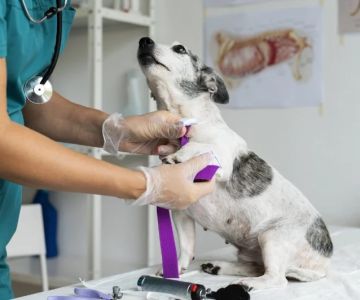
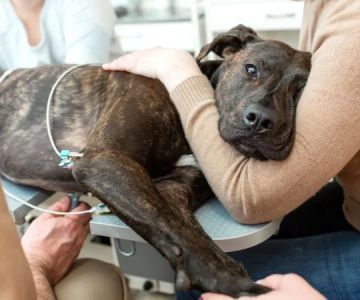
Vet visits can be a stressful experience for many pets, and it's not unusual for them to become anxious when they sense they’re headed to the clinic. Pets, especially dogs and cats, can feel the change in environment and the unfamiliar smells and sounds, triggering feelings of stress and fear. Understanding the root causes of pet anxiety during vet visits is crucial in helping your pet cope.Pets may associate the vet with discomfort from past experiences, such as vaccinations or medical procedures, making future visits a source of anxiety. Additionally, the car ride to the vet and the presence of other animals can add to their unease. Helping your pet overcome this anxiety can lead to more positive and less stressful vet visits in the future.

Recognizing the Symptoms of Pet Anxiety

Before you can effectively help your pet, it’s important to recognize the signs of anxiety. Pets can exhibit a range of behaviors when they’re feeling anxious about vet visits, including:Excessive Panting or Drooling: This is a common response, especially in dogs, when they’re feeling nervous or stressed.Pacing or Restlessness: Anxious pets often can’t sit still and may walk in circles or constantly move around.Whining or Whimpering: Vocalization is a sign that your pet is uneasy or fearful.Shaking or Trembling: Many pets shake when they’re anxious, especially when they’re in unfamiliar places.Hiding or Avoidance Behavior: If your pet hides or tries to run away when you attempt to take them to the car, it could be a sign of fear.Aggressive Behavior: Some pets may lash out, showing aggression when they feel threatened or afraid.Recognizing these signs early can help you address your pet’s anxiety before it escalates, making the experience more manageable for both of you.

How to Prepare Your Pet for the Vet

Proper preparation is key to reducing your pet’s anxiety during vet visits. Here are some strategies to help your pet feel more at ease:Acclimate Your Pet to the Carrier: If your pet isn’t already used to their carrier, start by placing it in a comfortable area at home and leave it open with treats and toys inside. Let your pet explore it at their own pace so they don’t associate it with negative experiences.Practice Short Car Rides: If your pet becomes anxious in the car, take them on short trips before the vet visit. This can help them become more familiar with the motion of the car and lessen their anxiety.Visit the Vet for Non-Medical Reasons: Some vets allow you to bring your pet in just to say hello without any medical procedures. This helps your pet become familiar with the clinic’s environment and associates it with positive experiences rather than just discomfort.Keep a Calm Demeanor: Pets are highly sensitive to their owners' emotions. If you’re calm and collected, your pet is more likely to feel secure. Avoid showing anxiety, as your pet can pick up on your nervousness.By setting the stage for a positive vet visit, you can help reduce your pet’s anxiety significantly.

Calming Techniques for Anxious Pets

When your pet is already feeling anxious, there are several techniques you can use to help calm them down during the vet visit:Desensitization and Counter-Conditioning: This involves gradually exposing your pet to situations they find stressful (like the vet office) in a controlled, positive way. Over time, this can reduce the intensity of their fear.Calming Products: There are many calming products available, including sprays, collars, and supplements containing ingredients like pheromones, CBD, or melatonin that can help ease your pet’s anxiety. Visit Brothers Pets for a variety of calming products tailored to your pet’s needs.Thundershirt: A Thundershirt is a form of compression clothing that helps reduce anxiety in pets. It works by applying gentle pressure to the pet’s body, which can have a calming effect.Music and Relaxation Techniques: Some pets respond well to calming music designed specifically for animals. Play this type of music in the waiting room or in the car to help soothe your pet.Interactive Toys: Bring a familiar toy or blanket that smells like home. Familiar scents can help comfort your pet and provide a sense of security.These calming techniques can be particularly helpful in making your pet feel more comfortable and less anxious during their vet visit.

Real-Life Experiences with Pet Anxiety During Vet Visits

One pet owner, Linda, shared her experience with her dog Daisy, who used to be terrified of the vet. “Daisy would shake uncontrollably the moment we got near the parking lot. I started taking her to the vet for short, non-medical visits, and over time, she became more comfortable. Now, she’s much more relaxed, and the vet visit is no longer a big ordeal!”Similarly, John found success with a calming collar for his cat, Max, who would usually hiss and hide during vet visits. “Max was always a nervous cat, but after using the calming collar, he seemed much less stressed and more relaxed in the carrier.”

Expert Advice on Handling Pet Anxiety

According to veterinary behaviorists, pet anxiety during vet visits can be managed with a combination of preparation, calming techniques, and consistency. Dr. Emma Taylor, a veterinary behaviorist, recommends that pet owners be patient and understanding. "It’s important to remember that every pet is different. What works for one pet might not work for another, so it’s crucial to try various strategies to find what helps your pet the most."Additionally, experts emphasize the importance of maintaining a calm and positive attitude during the visit. Your pet is more likely to mirror your emotions, so keeping your own anxiety in check will help your pet feel more secure.For more information on products and advice to help your pet cope with anxiety, visit Brothers Pets, where you can find calming aids and expert guidance to make vet visits stress-free.

Trending Blog Articles

Popular Blog Posts

Categories

Top Visited Sites

Top Pet Stores​ Searches

Trending Pet Health & Care Blog Posts