
- 1 - Understanding Senior Dog Joint Health
- 2 - Common Joint Problems in Senior Dogs
- 3 - Supplements for Joint Health in Senior Dogs
- 4 - Gentle Exercises to Improve Joint Mobility
- 5 - Home Care Tips for Managing Joint Health
1 - Understanding Senior Dog Joint Health
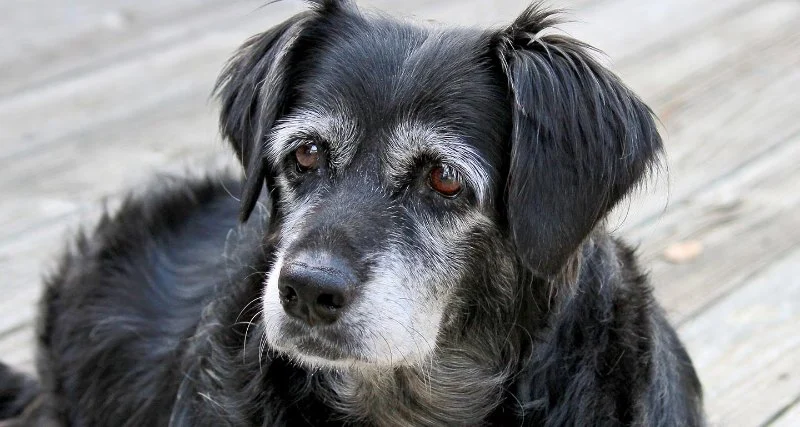
As dogs age, their joints can experience wear and tear, leading to pain and reduced mobility. Just like humans, senior dogs are prone to joint health issues such as arthritis, hip dysplasia, and other degenerative conditions. Joint health in senior dogs is crucial for their overall well-being, as it directly impacts their ability to move, play, and enjoy their daily life.
Caring for your senior dog’s joint health requires a combination of proper nutrition, exercise, and sometimes, veterinary intervention. Understanding the importance of joint care for your dog is the first step in helping them maintain a happy, active lifestyle in their golden years. In this article, we’ll explore effective supplements, gentle exercises, and home care tips to keep your senior dog moving comfortably.
2 - Common Joint Problems in Senior Dogs
As dogs grow older, they may experience various joint problems that can affect their mobility and comfort. Some of the most common joint issues in senior dogs include:
- Arthritis: One of the most prevalent joint issues in older dogs, arthritis causes inflammation and pain in the joints. Symptoms include limping, stiffness, and reluctance to jump or climb stairs.
- Hip Dysplasia: This genetic condition occurs when the hip joint doesn’t form properly, leading to pain and lameness. It’s common in large breeds like German Shepherds and Labradors.
- Osteoarthritis: A degenerative disease that affects the cartilage in the joints, leading to bone-on-bone friction, pain, and swelling.
- Joint Stiffness: As dogs age, they may develop general stiffness in their joints due to reduced activity levels, lack of exercise, or previous injuries.
Recognizing the early signs of these joint issues is key to managing your senior dog’s health. If you notice your dog limping, struggling to stand or walk, or hesitating to jump or play, it may be time to consult with your veterinarian about treatment options.
3 - Supplements for Joint Health in Senior Dogs
Supplements play an essential role in maintaining joint health for senior dogs. They can help reduce inflammation, improve mobility, and slow down the progression of joint problems. Some of the most effective supplements for senior dog joint health include:
- Glucosamine: This popular supplement helps rebuild cartilage and reduce inflammation in the joints. It is widely used to support joint function and reduce pain in senior dogs with arthritis.
- Chondroitin: Often paired with glucosamine, chondroitin helps improve the elasticity and hydration of cartilage, which can support joint mobility and reduce stiffness.
- Omega-3 Fatty Acids: Omega-3s, particularly EPA and DHA, have anti-inflammatory properties that can reduce swelling and pain in the joints, making them an excellent choice for senior dogs with arthritis.
- MSM (Methylsulfonylmethane): MSM is a natural sulfur compound that supports joint health by reducing inflammation and improving flexibility in the joints.
- Turmeric: Known for its anti-inflammatory properties, turmeric can help reduce pain and swelling associated with joint conditions in senior dogs.
These supplements are available in various forms, such as chewable tablets, powders, or soft gels. When choosing a supplement, it’s important to consult with your veterinarian to ensure it’s suitable for your dog’s specific health needs. At 【Brothers Pets】, we offer a range of high-quality joint health supplements for senior dogs, so you can find the right option for your furry friend.
4 - Gentle Exercises to Improve Joint Mobility
Exercise is essential for senior dogs to maintain joint health and overall fitness. However, the intensity and type of exercise should be adjusted to accommodate their age and physical condition. Gentle, low-impact exercises can help improve mobility, strengthen muscles, and reduce joint stiffness without putting undue stress on the joints. Some recommended exercises for senior dogs include:
- Short Walks: Regular short walks, around 10-20 minutes, can help maintain joint mobility while avoiding overexertion. Gradually increase the duration as your dog builds stamina.
- Swimming: Swimming is a great low-impact exercise for senior dogs, as it provides resistance while being easy on the joints. Many dogs with arthritis or hip dysplasia benefit from swimming sessions.
- Interactive Play: Gentle games of fetch, tug-of-war, or puzzle toys can keep your dog mentally and physically engaged without causing strain on their joints.
- Stretching: Gentle stretching exercises can help increase flexibility and reduce stiffness. Teach your dog to stretch with gentle encouragement and patience.
Remember to always monitor your dog during exercise to prevent overexertion. If your dog shows signs of discomfort or fatigue, stop the activity and consult your veterinarian for further guidance on suitable exercise routines.
5 - Home Care Tips for Managing Joint Health
In addition to supplements and exercise, there are several home care practices that can support your senior dog’s joint health. Here are some tips to make your dog’s environment more comfortable and supportive of their joints:
- Comfortable Bedding: Provide a soft, orthopedic bed that offers support to your dog’s joints, especially in their resting areas. A good bed can relieve pressure from their hips, elbows, and knees.
- Warmth: Keeping your dog warm can help alleviate joint pain. Consider using heating pads or providing warm blankets, especially during colder months.
- Weight Management: Maintaining a healthy weight is essential for reducing joint stress. Obesity can worsen joint problems, so monitor your dog’s diet and consult with your veterinarian about an appropriate feeding plan.
- Regular Vet Checkups: Regular visits to the vet will allow for early detection of joint issues and provide opportunities for professional guidance on managing your dog’s joint health.
By combining these home care tips with the right supplements and exercise, you can help your senior dog stay comfortable, active, and happy during their later years.





 Best Puppies For Sale4.0 (96 reviews)
 Pet Assistance, Inc.2.0 (7 reviews)
 The Animal Clinic, P.S.C.4.0 (407 reviews)
 River Mill Animal Hospital - Dr. Tammie Hodge4.0 (114 reviews)
 Dr. Terry L Hills DVM5.0 (4 reviews)
 South County Animal Hospital, A Thrive Pet Healthcare Partner4.0 (145 reviews)
 Raw Food Diets for Pets: Pros, Cons, and Veterinary Opinions
 How to Spot and Treat Liver Disease in Cats and Dogs: A Complete Guide
 How to Spot Symptoms of Food Allergies in Cats: A Guide for Pet Owners
 How to Choose the Right Vet for Your Pet's Specific Needs
 Best Dog Breeds for Active Families with Kids: Top Choices for Fun and Play
 How to Spot Early Signs of Cancer in Pets and What to Do Next