
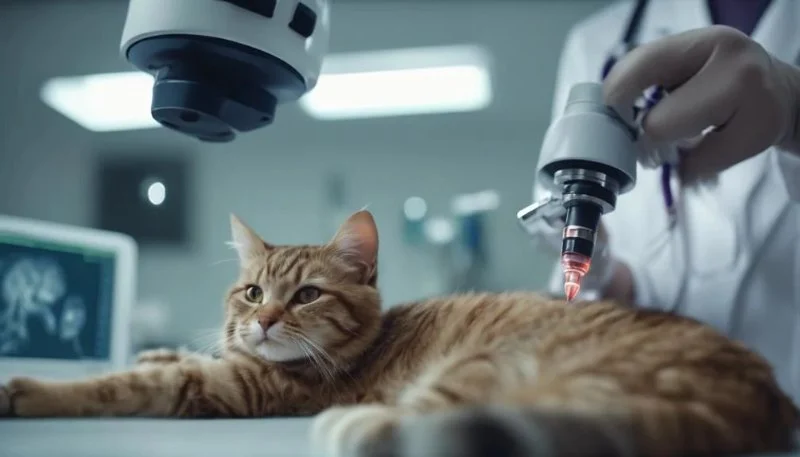
- 1- Introduction to Liver Disease in Cats and Dogs
- 2- Symptoms of Liver Disease in Cats and Dogs
- 3- How Liver Disease Is Diagnosed
- 4- Treatment Options for Liver Disease
- 5- When to Call a Veterinarian for Liver Disease
1- Introduction to Liver Disease in Cats and Dogs
Liver disease is a serious condition that can affect both cats and dogs, and it can often go unnoticed until it becomes severe. The liver plays a critical role in detoxifying the body, producing essential proteins, and aiding in digestion. When it becomes damaged, your pet’s health can deteriorate rapidly. Recognizing the signs of liver disease early and seeking treatment can significantly improve your pet's prognosis.
2- Symptoms of Liver Disease in Cats and Dogs
Early detection is key in treating liver disease in pets. There are several symptoms that may indicate liver problems, though they can vary between animals. Common signs of liver disease in cats and dogs include:
- Loss of Appetite: A sudden decrease in appetite is one of the first signs of liver disease.
- Weight Loss: Unexplained weight loss, often seen alongside decreased appetite, may be a symptom.
- Vomiting and Diarrhea: Frequent vomiting and diarrhea can occur due to digestive issues caused by liver dysfunction.
- Jaundice: Yellowing of the skin, gums, or eyes is a clear sign that the liver is not functioning properly.
- Increased Thirst or Urination: Pets with liver disease may drink and urinate more than usual.
- Behavioral Changes: Lethargy, depression, or confusion can result from a decrease in the liver's ability to detoxify the body.
3- How Liver Disease Is Diagnosed
Once you notice symptoms of liver disease in your pet, it’s important to seek veterinary care for a proper diagnosis. Veterinarians use a variety of tests to confirm liver disease and determine its severity:
- Physical Examination: A vet will perform a physical exam to check for symptoms like jaundice or abdominal swelling.
- Blood Tests: Blood tests can measure liver enzymes and assess how well the liver is functioning.
- Ultrasound or X-rays: These imaging techniques help veterinarians look for physical changes in the liver, such as tumors or inflammation.
- Liver Biopsy: In some cases, a liver biopsy may be needed to determine the cause of the liver disease and the extent of damage.
4- Treatment Options for Liver Disease
Treating liver disease in pets can vary depending on the underlying cause. Common treatments include:
- Medications: Prescription medications can help manage symptoms, reduce inflammation, and support liver function. Common drugs include antibiotics, anti-inflammatory drugs, and medications to reduce toxins in the liver.
- Special Diet: A liver-friendly diet may be recommended to help your pet’s liver recover. These diets often contain lower levels of protein and fat to ease the liver’s workload.
- Supplements: Liver support supplements, such as milk thistle, can help promote liver regeneration and detoxification.
- Surgery: In cases where tumors or other obstructions are present, surgical intervention may be necessary to remove the affected area.
5- When to Call a Veterinarian for Liver Disease
It’s crucial to call your veterinarian as soon as you notice any of the symptoms of liver disease. Early intervention improves the chances of a successful recovery. If your pet exhibits severe signs such as:
- Excessive vomiting or diarrhea that doesn't resolve
- Severe lethargy or difficulty moving
- Yellowing of the skin, eyes, or gums
- Sudden changes in behavior, such as confusion or aggression
Do not wait for the condition to worsen. Immediate professional treatment can help address the issue before it leads to irreversible damage.
If you're concerned about your pet's liver health, consider visiting Brothers Pets for expert advice and high-quality pet care products to support your pet's well-being. Early detection and treatment can make all the difference in your pet’s recovery.




 The Fe Animal Hospital4.0 (488 reviews)
 Vetco Total Care Animal Hospital4.0 (317 reviews)
 Marysville Animal Care Center4.0 (288 reviews)
 GoodVets Cary4.0 (31 reviews)
 Unleashed by Petco4.0 (294 reviews)
 All the Fixin's3.0 (93 reviews)
 How to Prevent and Treat Heatstroke in Dogs During Summer: A Complete Guide
 The Importance of Regular Exercise for Your Pet – Healthy Habits with Brothers Pets
 Tips for Safe Hiking and Outdoor Activities with Dogs – Expert Advice for Adventurous Pet Owners
 Understanding Canine Eye Disorders and Prevention: A Guide for Dog Owners
 How to Provide Comfort and Care for Your Pet During Illness: Essential Tips for Pet Owners
 Common Mistakes in Pet Vaccination and How to Avoid Them