
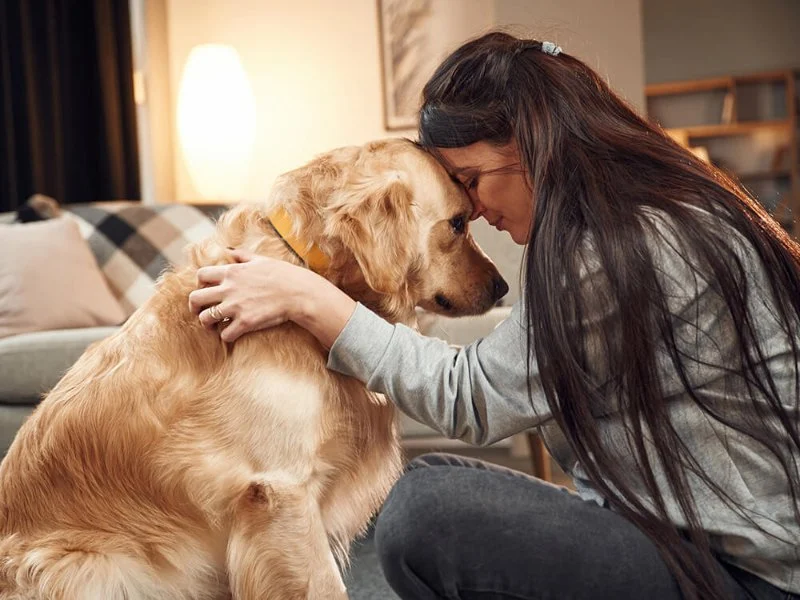
- 1. Introduction: Understanding Pet Grief and Loss
- 2. Signs Your Pet Is Grieving
- 3. Steps to Help Your Pet Adjust
- 4. How to Create a Comfortable Environment for Your Pet
- 5. When to Seek Professional Help for Your Pet
1. Introduction: Understanding Pet Grief and Loss
Just like humans, pets can experience emotional distress when they lose a companion. Whether it's a fellow pet or a family member, animals are often affected by the absence of a loved one in their lives. As a pet owner, it’s important to recognize the signs of grief in your pet and provide the support they need to cope. This article will guide you through the steps you can take to help your pet adjust and find comfort after such a significant loss.
2. Signs Your Pet Is Grieving
Pets, especially those with strong bonds to their companions, can exhibit signs of grief and sadness. Here are a few common indicators that your pet may be struggling with the loss of a companion:
2.1. Change in Behavior
Pets may become withdrawn, less playful, or more anxious. They may show signs of depression such as sleeping more or refusing to eat. These behaviors are often a result of the emotional stress caused by the loss.
2.2. Seeking Isolation
It’s not uncommon for a grieving pet to retreat to a quiet corner of the house. They may avoid interacting with humans or other pets and seek solitude as they process their emotions.
2.3. Vocalization
Some pets may vocalize more than usual, calling out for their lost companion. This can be particularly common in dogs, who may bark or whine as they search for their missing friend.
3. Steps to Help Your Pet Adjust
It’s important to provide your pet with comfort and reassurance during this challenging time. Here are some steps you can take to help them adjust:
3.1. Maintain a Routine
Pets find comfort in routine, so try to maintain as much of their regular schedule as possible. This includes feeding times, walks, and playtime. A consistent routine can help bring a sense of normalcy and security.
3.2. Spend Extra Time with Your Pet
Increased attention and companionship can help ease your pet’s sadness. Spend more quality time with them, whether through petting, talking, or simply sitting together. Your presence can be a great comfort as they navigate their grief.
3.3. Provide a New Activity or Distraction
Introduce new toys, treats, or activities to your pet to keep their mind engaged. This can be particularly helpful in redirecting their focus and reducing the negative emotions they may be experiencing.
3.4. Monitor Their Health
Grief can sometimes manifest in physical symptoms. Ensure that your pet continues to eat, drink, and engage in normal activities. If you notice any health issues, consult with your vet for guidance.
4. How to Create a Comfortable Environment for Your Pet
After the loss of a companion, your pet’s environment can greatly impact their emotional recovery. Here’s how to create a comforting space for them:
4.1. Familiar Comforts
Make sure your pet has access to their favorite blanket, bed, or toy. These familiar items can help soothe their anxiety and provide a sense of security during the adjustment period.
4.2. Minimize Stressful Changes
While it’s natural for some changes to occur, try to minimize major disruptions in your pet’s life during this time. Keeping the environment stable can help them feel safe as they process the loss.
4.3. Consider a Companion
In some cases, pets may benefit from the presence of another animal. If your pet is still grieving after a significant period, you might want to consider adopting another pet. However, it’s essential to approach this decision with caution and only when your pet seems ready for a new companion.
5. When to Seek Professional Help for Your Pet
Sometimes, pets may need additional help to cope with grief. If you notice that your pet’s behavior is not improving or if they show signs of severe distress, it may be time to seek professional help. A veterinarian or animal behaviorist can offer guidance and suggest coping strategies or treatments to help your pet through this difficult time.
Helping your pet adjust to life after losing a companion is an emotional journey. By providing love, support, and attention, you can help them heal and find comfort. Remember that each pet is unique, and their grieving process may take time. Be patient, and ensure that your pet feels safe and cared for as they navigate this difficult time.





 The Fe Animal Hospital4.0 (488 reviews)
 Vetco Total Care Animal Hospital4.0 (317 reviews)
 Marysville Animal Care Center4.0 (288 reviews)
 GoodVets Cary4.0 (31 reviews)
 Unleashed by Petco4.0 (294 reviews)
 All the Fixin's3.0 (93 reviews)
 How to Prevent and Treat Heatstroke in Dogs During Summer: A Complete Guide
 The Importance of Regular Exercise for Your Pet – Healthy Habits with Brothers Pets
 Tips for Safe Hiking and Outdoor Activities with Dogs – Expert Advice for Adventurous Pet Owners
 Understanding Canine Eye Disorders and Prevention: A Guide for Dog Owners
 How to Provide Comfort and Care for Your Pet During Illness: Essential Tips for Pet Owners
 Common Mistakes in Pet Vaccination and How to Avoid Them