
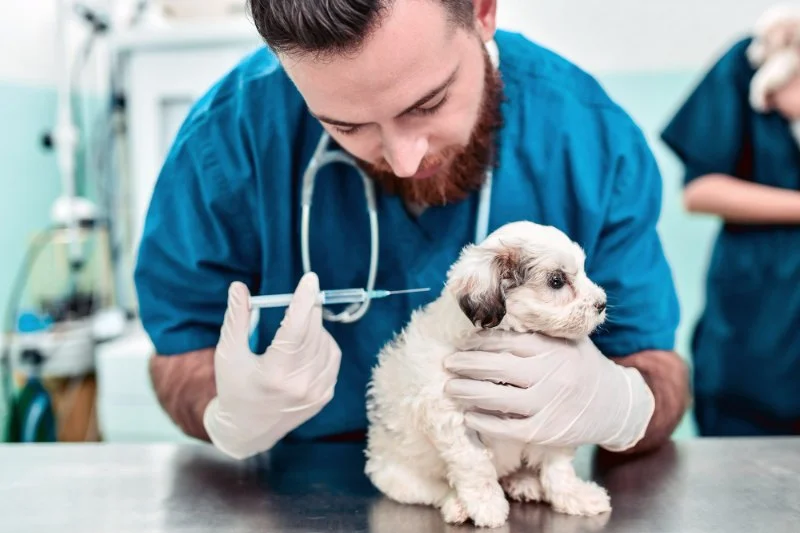
Common Mistakes in Pet Vaccination and How to Avoid Them
- 1 - The Importance of Pet Vaccination
- 2 - Common Mistakes in Pet Vaccination
- 3 - How to Avoid Vaccination Mistakes
- 4 - Recommended Vaccination Schedule for Pets
- 5 - Choosing the Right Veterinarian for Your Pet’s Vaccinations
1 - The Importance of Pet Vaccination
Pet vaccination is a crucial aspect of ensuring your pet’s overall health and well-being. Vaccines help protect pets from serious diseases and infections that can be potentially fatal. Regular vaccinations not only safeguard your pet from illnesses but also prevent the spread of infectious diseases to other pets and humans.
In some regions, such as California, pet vaccinations are a legal requirement for certain diseases, especially rabies. It’s important to stay informed about the necessary vaccines your pet requires and adhere to vaccination schedules to maintain optimal health.
2 - Common Mistakes in Pet Vaccination
Despite the importance of pet vaccinations, many pet owners unknowingly make mistakes that could compromise their pet's health. Some of the most common mistakes include:
- Skipping Initial Vaccines: Some pet owners fail to follow the recommended vaccine schedule, especially for puppies and kittens. Delaying or missing initial vaccines can leave pets vulnerable to serious diseases.
- Not Following Booster Schedules: Missing booster shots or delaying follow-up vaccinations can diminish the effectiveness of vaccines and leave pets at risk for preventable diseases.
- Vaccinating Against Unnecessary Diseases: Not all pets need every available vaccine. Over-vaccination, especially with unnecessary vaccines, can lead to side effects and is a waste of money.
- Ignoring Age and Health Conditions: Some pets may have age-related or health-related factors that require special consideration when vaccinating. It’s crucial to discuss any underlying health conditions with your veterinarian before vaccinating your pet.
- Self-Vaccinating: Pet owners may attempt to vaccinate their pets at home, but this can lead to improper administration, incorrect doses, and missed vaccinations. Always consult with a vet for proper vaccination procedures.
3 - How to Avoid Vaccination Mistakes
To ensure your pet receives the right vaccines at the correct time, here are some tips to avoid common mistakes:
- Follow a Veterinarian-Approved Schedule: Consult your veterinarian for a tailored vaccination plan for your pet. This ensures that your pet receives the necessary vaccines based on their age, lifestyle, and health.
- Keep a Vaccination Record: Maintain a detailed record of your pet’s vaccinations, including the dates of administration and upcoming booster shots. This will help you stay on track with their vaccination schedule.
- Be Aware of the Risks: Understand the risks of missing vaccines, especially for diseases like rabies, distemper, and parvovirus. Educating yourself about the importance of these vaccines can motivate you to stay diligent about vaccination schedules.
- Don’t Over-Vaccinate: While vaccinations are important, over-vaccinating can be harmful. Stick to the recommended vaccines for your pet’s age and lifestyle to avoid unnecessary risks.
4 - Recommended Vaccination Schedule for Pets
The vaccination schedule for pets can vary depending on their age, breed, and lifestyle. However, the general vaccination guidelines for dogs and cats are as follows:
- Puppies and Kittens: Initial vaccinations typically begin at 6-8 weeks of age and continue until they are around 16 weeks old. This includes vaccines for diseases like rabies, distemper, and parvovirus for dogs, and feline distemper and rabies for cats.
- Adult Dogs and Cats: After the initial vaccinations, pets need booster shots every 1-3 years, depending on the vaccine and the pet's lifestyle.
- Special Considerations: Pets with compromised immune systems, senior pets, or those with specific health conditions may require adjustments to their vaccination schedule. Always consult your veterinarian for personalized recommendations.
5 - Choosing the Right Veterinarian for Your Pet’s Vaccinations
Choosing the right veterinarian is crucial to ensuring your pet receives proper vaccinations. Here are some things to consider when selecting a vet:
- Look for Credentials: Ensure the veterinarian is licensed and accredited by a professional organization, such as the American Veterinary Medical Association (AVMA).
- Consider Experience: Choose a vet with experience in administering vaccinations and dealing with any specific health concerns your pet may have.
- Check for a Comprehensive Approach: A good veterinarian will provide a holistic approach to your pet’s health, including advice on proper nutrition, dental care, and preventive care alongside vaccinations.
- Read Reviews and Get Recommendations: Check online reviews and ask for recommendations from fellow pet owners to find a vet you can trust.
By staying informed and following the proper vaccination schedule, you can help protect your pet from preventable diseases. For more information and the best pet vaccination products, visit Brothers Pets for expert recommendations and quality services tailored to your pet’s needs.


 Best Puppies For Sale4.0 (96 reviews)
 Pet Assistance, Inc.2.0 (7 reviews)
 The Animal Clinic, P.S.C.4.0 (407 reviews)
 River Mill Animal Hospital - Dr. Tammie Hodge4.0 (114 reviews)
 Dr. Terry L Hills DVM5.0 (4 reviews)
 South County Animal Hospital, A Thrive Pet Healthcare Partner4.0 (145 reviews)
 Raw Food Diets for Pets: Pros, Cons, and Veterinary Opinions
 How to Spot and Treat Liver Disease in Cats and Dogs: A Complete Guide
 How to Spot Symptoms of Food Allergies in Cats: A Guide for Pet Owners
 How to Choose the Right Vet for Your Pet's Specific Needs
 Best Dog Breeds for Active Families with Kids: Top Choices for Fun and Play
 How to Spot Early Signs of Cancer in Pets and What to Do Next