
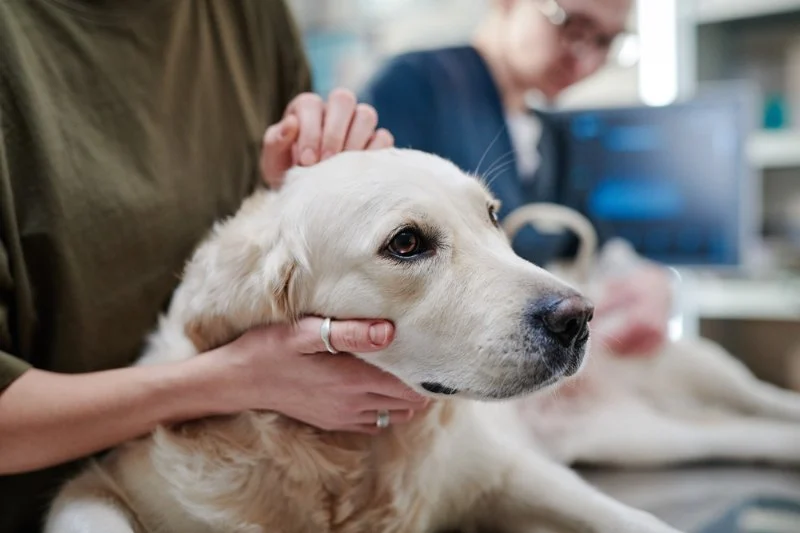
How to Spot Early Signs of Cancer in Pets and What to Do Next
- 1. Early Signs of Cancer in Pets
- 2. How to Detect Cancer in Your Pet
- 3. Common Types of Cancer in Pets
- 4. What to Do If You Suspect Your Pet Has Cancer
- 5. How to Prevent Cancer in Pets
1. Early Signs of Cancer in Pets
Just like humans, pets can develop cancer, and early detection is crucial for improving treatment outcomes. However, since pets cannot verbally communicate their discomfort, it’s important for pet owners to watch for subtle signs that something may be wrong. Here are some early warning signs that may indicate cancer in your pet:
1. Unexplained Weight Loss
One of the most common signs of cancer in pets is unexplained weight loss. If your pet has lost weight without any changes to their diet or exercise habits, this could be a red flag. Weight loss can be associated with cancer affecting the digestive system, metabolism, or muscle mass.
2. Lumps or Bumps
Finding a lump on your pet’s body doesn’t always mean they have cancer, but it’s important to have any new lumps or bumps checked by a veterinarian. Cancerous tumors are often hard and irregular in shape, and may grow quickly. Even if the lump seems small or harmless, a vet should examine it to rule out serious issues.
3. Changes in Behavior or Appetite
Pets with cancer often show changes in their behavior. They may become lethargic, avoid playing, or appear disinterested in activities they used to enjoy. Additionally, changes in appetite—either eating more than usual or refusing food entirely—can be a sign of an underlying health issue like cancer.
4. Unexplained Bleeding or Discharge
Any unusual bleeding or discharge from your pet’s body should be addressed immediately. This could include nosebleeds, coughing up blood, or bloody stools. These symptoms could indicate tumors affecting organs or tissues that cause internal bleeding.
2. How to Detect Cancer in Your Pet
While some signs of cancer are noticeable, others may only be picked up through a visit to the vet. If you notice any of the warning signs mentioned above, it's essential to seek veterinary care as soon as possible. Your vet will perform a thorough examination and may recommend diagnostic tests, such as:
1. Blood Tests
Blood tests can help identify abnormal levels of certain cells or substances in your pet's body that might indicate cancer. These tests can also help evaluate organ function, which may be impacted by the disease.
2. Biopsy
If your vet suspects cancer, they may perform a biopsy, where a small sample of tissue is taken from the lump or tumor to determine if cancer cells are present. A biopsy is often the most accurate way to diagnose cancer.
3. Imaging Tests
Imaging techniques such as X-rays, ultrasounds, or CT scans can help the vet visualize the tumor’s size and whether it has spread to other parts of the body.
3. Common Types of Cancer in Pets
Cancer in pets can develop in various forms, and different types may affect dogs and cats in distinct ways. Here are some of the most common types of cancer found in pets:
1. Lymphoma
Lymphoma is one of the most common cancers in both cats and dogs, affecting the lymph nodes and immune system. Symptoms include swollen lymph nodes, lethargy, and loss of appetite.
2. Mast Cell Tumors
These are common skin tumors in dogs that can range from benign to malignant. If you find a new lump on your dog’s skin, especially if it changes in size or appearance, it’s important to have it evaluated by your vet.
3. Osteosarcoma
Osteosarcoma is a bone cancer that typically affects large breed dogs. Symptoms often include limping, pain, and swelling around the affected bone. Early treatment is critical for pain management and to increase the chances of survival.
4. Mammary Tumors
Especially common in older female dogs, mammary tumors can either be benign or malignant. Regular checkups and spaying at an early age can reduce the risk of these tumors.
4. What to Do If You Suspect Your Pet Has Cancer
If you suspect that your pet may have cancer, don’t panic. While it’s always best to have your pet evaluated by a veterinarian, there are a few things you can do in the meantime:
1. Keep Track of Symptoms
Make a note of any symptoms you've observed, including when they started, how often they occur, and any changes you've noticed. This information can be helpful for your vet during the diagnostic process.
2. Schedule a Veterinary Appointment
Don’t wait to get your pet checked. Early detection is key to successful treatment, so schedule an appointment with your vet as soon as you notice concerning symptoms.
3. Follow Through with Recommended Tests
Depending on the symptoms, your vet may suggest blood tests, imaging, or a biopsy. It’s important to follow through with these recommendations to help determine the nature of the issue and the best course of action.
5. How to Prevent Cancer in Pets
While there’s no guaranteed way to prevent cancer in pets, there are several measures you can take to help reduce the risk:
1. Regular Veterinary Checkups
Routine vet visits are essential for detecting any health issues early. Your vet can spot signs of potential cancer before they become serious, helping catch it in the early stages.
2. Healthy Diet and Exercise
Maintaining a healthy weight and ensuring your pet gets regular exercise can reduce the risk of several types of cancer. A balanced diet full of nutrients supports overall health, including the immune system.
3. Spaying and Neutering
Spaying or neutering your pet at an early age can help prevent certain types of cancers, such as mammary tumors and testicular cancer, especially in cats and dogs that are not spayed or neutered.
If you’re looking for more information or need recommendations for pet care products, visit Brothers Pets for trusted advice and the best pet care supplies.




 Dr. Craig Little/ Tender Comforts in home Pet Euthanasia5.0 (6 reviews)
 Darke County Veterinary Services4.0 (115 reviews)
 CityVet | Westminster Veterinary Clinic & Urgent Care4.0 (155 reviews)
 Pomeranian Treasures4.0 (24 reviews)
 Riverview Veterinary Hospital4.0 (340 reviews)
 North Haven Animal Hospital4.0 (172 reviews)
 How to Safely Trim Your Dog’s Nails at Home: A Step-by-Step Guide
 Preventing and Treating Separation Anxiety in Dogs and Cats
 Beginner’s Guide to Veterinary Advice for New Pet Owners
 How to Spot Early Signs of Cancer in Pets and What to Do Next
 Managing Senior Dog Anxiety Through Routine and Exercise
 How to Reduce Anxiety in Dogs During Car Rides | Proven Tips