
- 1 - Understanding Senior Dog Anxiety
- 2 - Common Symptoms of Anxiety in Senior Dogs
- 3 - Why Routine and Exercise Are Key
- 4 - Creating a Consistent Routine for Your Senior Dog
- 5 - Exercise Activities for Senior Dogs
- 6 - Real-Life Case: Managing Anxiety in a Senior Dog
- 7 - Pro Tips for Easing Senior Dog Anxiety
- 8 - Conclusion: A Happy and Calm Senior Dog
1 - Understanding Senior Dog Anxiety
As dogs age, they may experience anxiety that can affect their overall well-being. Anxiety in senior dogs is a common issue, and it can stem from various factors such as changes in their environment, health problems, or simply the aging process itself. The good news is that managing anxiety in senior dogs is possible with the right routine and exercise.
In this article, we’ll explore how you can manage senior dog anxiety through consistent routines and physical activities, ensuring your furry friend stays happy and comfortable in their golden years.
2 - Common Symptoms of Anxiety in Senior Dogs
Just like in humans, anxiety in senior dogs manifests in different ways. It's essential to recognize these symptoms early so that you can address them promptly. Common signs of anxiety in senior dogs include:
- Excessive barking or whining
- Restlessness or pacing around the house
- Loss of appetite or changes in eating habits
- Excessive licking or chewing of paws
- Destructive behaviors like chewing on furniture or scratching
- Urination or defecation in the house despite being house-trained
If your senior dog is showing any of these signs, it could be a sign of anxiety. Understanding these symptoms is the first step in helping them feel more secure and relaxed.
3 - Why Routine and Exercise Are Key
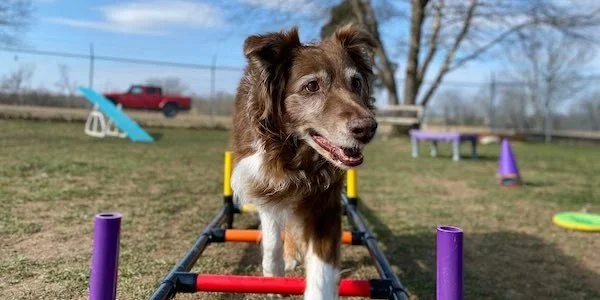
One of the most effective ways to manage senior dog anxiety is by incorporating regular routines and exercise into their daily lives. Routine provides a sense of security and stability, helping to reduce stress. Exercise, on the other hand, helps to release built-up energy and tension, promoting a more relaxed state.
Regular physical activity also has a host of other benefits for senior dogs, including improved joint mobility, better digestion, and enhanced overall health. The combination of a predictable routine and physical exercise can make a world of difference in managing anxiety and improving your senior dog's quality of life.
4 - Creating a Consistent Routine for Your Senior Dog
Creating a consistent routine is crucial for your senior dog’s mental and emotional well-being. A stable routine helps alleviate anxiety by giving your dog a sense of control and predictability. Here’s how you can establish a beneficial routine for your furry friend:
4.1. Regular Feeding Times
Feed your senior dog at the same times each day. This helps establish a sense of security and prevents anxiety related to unpredictability in their feeding schedule.
4.2. Set Walking or Exercise Times
Plan regular walks or exercise sessions at the same time each day. Consistency helps to stabilize their energy levels and gives them something to look forward to.
4.3. Sleep and Rest Periods
Ensure that your dog has a designated resting place where they can sleep or relax. A quiet, comfortable spot with a consistent sleep schedule will help them feel calm and safe.
By sticking to this routine, you can help reduce your senior dog’s anxiety and provide them with a structured and predictable environment.
5 - Exercise Activities for Senior Dogs
Exercise doesn’t have to be strenuous to be beneficial. For senior dogs, gentle activities that promote movement without straining their joints are ideal. Here are some great options:
- Short, Frequent Walks: Short walks are excellent for senior dogs. Aim for multiple short walks throughout the day instead of one long walk.
- Gentle Play: Light games of fetch or tug-of-war can keep your senior dog engaged without overexerting them.
- Swimming: Swimming is a low-impact exercise that’s easy on the joints, making it perfect for senior dogs.
- Interactive Toys: Puzzle toys or treat-dispensing toys can help engage your dog mentally and physically.
The goal is to keep them active without causing discomfort. Always consult with your vet to ensure the activities you choose are appropriate for your dog's health.
6 - Real-Life Case: Managing Anxiety in a Senior Dog
Meet Daisy, a 12-year-old Labrador retriever who struggled with anxiety due to changes in her routine after her owner moved to a new home. Daisy began showing signs of anxiety, such as pacing, excessive barking, and chewing on furniture.
Her owner decided to implement a more structured routine that included daily walks, playtime, and consistent feeding times. They also introduced calming activities like gentle massage and aromatherapy. Over time, Daisy’s anxiety decreased significantly, and she became more relaxed and comfortable in her new environment.
This real-life example illustrates how establishing a routine and incorporating exercise can significantly reduce anxiety in senior dogs.
7 - Pro Tips for Easing Senior Dog Anxiety
In addition to exercise and routine, here are some pro tips to help alleviate anxiety in senior dogs:
- Calming Products: Consider using calming collars, pheromone diffusers, or natural remedies like CBD oil to help relax your dog.
- Avoid Stressful Triggers: Minimize exposure to loud noises, sudden changes, or environments that may cause stress.
- Positive Reinforcement: Reward your dog with treats and praise when they remain calm in anxiety-inducing situations.
8 - Conclusion: A Happy and Calm Senior Dog
Managing senior dog anxiety is possible with the right combination of routine, exercise, and environmental adjustments. By providing a consistent and structured lifestyle, you can help your senior dog stay calm, comfortable, and happy throughout their golden years.
For more tips and to find the best products and services for your senior dog, visit Brothers Pets for expert advice and recommendations.





 Dr. Craig Little/ Tender Comforts in home Pet Euthanasia5.0 (6 reviews)
 Darke County Veterinary Services4.0 (115 reviews)
 CityVet | Westminster Veterinary Clinic & Urgent Care4.0 (155 reviews)
 Pomeranian Treasures4.0 (24 reviews)
 Riverview Veterinary Hospital4.0 (340 reviews)
 North Haven Animal Hospital4.0 (172 reviews)
 How to Safely Trim Your Dog’s Nails at Home: A Step-by-Step Guide
 Preventing and Treating Separation Anxiety in Dogs and Cats
 Beginner’s Guide to Veterinary Advice for New Pet Owners
 How to Spot Early Signs of Cancer in Pets and What to Do Next
 Managing Senior Dog Anxiety Through Routine and Exercise
 How to Reduce Anxiety in Dogs During Car Rides | Proven Tips