
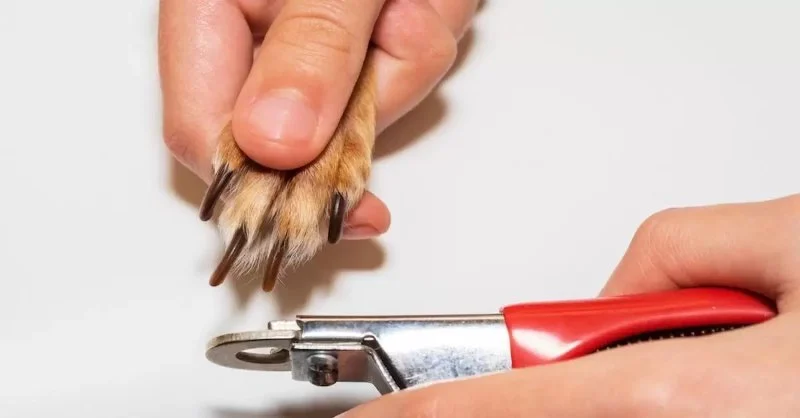
- 1. Why Trim Your Dog's Nails?
- 2. Essential Tools for Dog Nail Trimming
- 3. Step-by-Step Guide to Trim Your Dog’s Nails
- 4. Tips to Make Nail Trimming Easier for Your Dog
- 5. Common Mistakes to Avoid While Trimming Dogs' Nails
- 6. When to Seek Professional Grooming Help
1. Why Trim Your Dog's Nails?
Trimming your dog's nails is an essential part of their grooming routine. Long nails can cause discomfort, leading to issues such as difficulty walking, broken nails, and even joint problems. Additionally, long nails are more likely to get caught in carpets or furniture, which can result in painful injuries. Regular nail trimming helps maintain your dog's overall health, comfort, and mobility.
2. Essential Tools for Dog Nail Trimming
To safely trim your dog’s nails, it’s important to use the right tools. Here are the essential tools you'll need for the job:
- Nail Clippers: There are various types of clippers, including guillotine-style, scissor-style, and plier-style clippers. Choose one that’s comfortable for you to use and appropriate for your dog’s size and nail type.
- Nail Grinder: A nail grinder is an alternative to clippers and is particularly useful for smoothing rough edges after trimming. It can also be helpful for dogs that are afraid of clippers.
- Styptic Powder: This is used to stop bleeding if you accidentally cut the quick (the sensitive part of the nail). Always keep this on hand for emergencies.
3. Step-by-Step Guide to Trim Your Dog’s Nails
Trimming your dog’s nails at home can be easy and stress-free when done correctly. Here’s a step-by-step guide to help you trim your dog’s nails safely:
- Step 1: Prepare Your Dog: Start by calming your dog. Choose a quiet, well-lit area, and consider having a second person to help if necessary. Gently hold your dog in your lap or place them on a non-slippery surface.
- Step 2: Inspect the Nails: Before trimming, check your dog’s nails to identify the quick. For light-colored nails, the quick is visible as a pinkish area in the center of the nail. For dark nails, you may need to trim a little at a time to avoid cutting too deep.
- Step 3: Trim the Nails: Using your chosen nail clipper, trim just the tip of the nail, avoiding the quick. If your dog has dark nails, trim small amounts at a time until you see a small black dot in the center of the nail—this indicates you’re approaching the quick.
- Step 4: Smooth the Edges: After trimming, use a nail grinder or a fine file to smooth out any rough edges and prevent your dog from snagging their nails.
- Step 5: Reward Your Dog: Always reward your dog with praise or a treat after the process. This helps make future nail trims easier and less stressful for both of you.
4. Tips to Make Nail Trimming Easier for Your Dog
Some dogs may be anxious or fearful of having their nails trimmed, but with a few helpful strategies, you can make the process easier and less stressful:
- Start Early: Begin trimming your dog’s nails when they’re young to help them get used to the process. Early positive experiences can reduce fear in the future.
- Trim Frequently: Regularly trimming small amounts of nail, rather than waiting for them to grow too long, will make the process quicker and less stressful.
- Take Breaks: If your dog becomes anxious, take a break and try again later. This can help prevent them from associating nail trimming with stress.
- Use Positive Reinforcement: Give treats and praise during and after the nail trimming process to reward calm behavior.
5. Common Mistakes to Avoid While Trimming Dogs' Nails
While trimming your dog’s nails can be a straightforward task, there are common mistakes that can lead to injury or stress for your pet. Avoid these pitfalls:
- Cutting Too Close to the Quick: Cutting the quick can cause pain and bleeding. Always trim small amounts at a time, especially if your dog has dark nails.
- Not Having the Right Tools: Using the wrong type of clippers can make the process difficult and uncomfortable for both you and your dog. Make sure you’re using the appropriate tool for your dog’s size and nail type.
- Rushing the Process: Take your time and be patient. Rushing through the trimming can result in mistakes or stress for your dog.
6. When to Seek Professional Grooming Help
While trimming your dog’s nails at home can save money and time, there are situations where it’s best to call in a professional:
- If Your Dog is Extremely Anxious: If your dog becomes too anxious or aggressive during nail trimming, a professional groomer can safely handle the task.
- If You’re Uncertain About the Process: If you’re unsure how to trim your dog’s nails properly or are concerned about causing harm, a professional can guide you or take over the trimming process.
- If Your Dog Has Special Needs: Dogs with medical conditions, such as arthritis or mobility issues, may require special handling, and it’s best to seek professional grooming services.
At Brothers Pets, we provide expert grooming services and tools to make dog nail trimming easier for both you and your pet. Whether you need products or professional help, we’re here to support you.





 Sharp Animal Hospital4.0 (96 reviews)
 VIP Petcare Vaccination Clinic0.0 (0 reviews)
 Lincoln Animal Hospital4.0 (435 reviews)
 Seatown Veterinary Care4.0 (197 reviews)
 Durham Veterinary Hospital4.0 (116 reviews)
 Corona del Mar Animal Hospital, A Thrive Pet Healthcare Partner4.0 (103 reviews)
 Tips for Training Dogs With High Energy Levels
 Is Your Pet’s Safety Routine on Track?
 How to Safely Handle Pet Emergencies: A First-Aid Guide
 Top 12 Tips for Pet Diseases
 How to Keep Your Pet Safe from Household Hazards - Brothers Pets
 How to Provide Comfort for Pets with Separation Anxiety