
 Top 12 Tips for Pet Diseasespet diseases, pet health tips, preventing pet diseases, common pet diseases, pet care tips, how to prevent pet diseases, pet disease preventionLearn the top 12 tips for preventing and treating pet diseases. Discover how to keep your pets healthy, avoid common illnesses, and ensure they live a long and happy life.
- 1. Importance of Regular Veterinary Checkups
- 2. Keep Your Pet Healthy with Balanced Nutrition
- 3. Vaccination Schedules for Your Pet
- 4. Maintaining a Clean Living Environment
- 5. Spotting Symptoms of Common Pet Diseases
- 6. Importance of Regular Exercise
- 7. Parasitic Disease Prevention
- 8. Oral Health Care for Pets
- 9. The Role of Hygiene in Preventing Pet Diseases
- 10. Keep an Eye on Your Pet’s Behavior
- 11. Providing Mental Stimulation for Pets
- 12. When to Consult a Veterinarian
1. Importance of Regular Veterinary Checkups
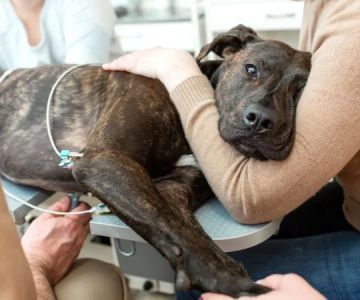
One of the most important things you can do to protect your pet from diseases is to schedule regular checkups with your veterinarian. These checkups allow for early detection of potential health issues, vaccinations, and preventive treatments. Your vet can also provide guidance on nutrition, exercise, and lifestyle changes that can improve your pet’s health and longevity.
By visiting the vet at least once a year (or more frequently for older pets), you ensure your pet gets the best chance at a long, healthy life. It’s better to catch any signs of diseases early, which will make treatment more effective and less costly.
2. Keep Your Pet Healthy with Balanced Nutrition
Proper nutrition plays a significant role in preventing many pet diseases. A balanced diet that is suited to your pet's age, breed, and health condition helps maintain a strong immune system, healthy joints, and optimal weight. If your pet is overweight, they are at a higher risk for several diseases like diabetes, arthritis, and heart disease.
Consult your veterinarian to choose the right food for your pet. Avoid feeding your pet table scraps, as these can contribute to obesity and other health problems. Ensuring your pet gets a balanced diet of protein, fat, fiber, and essential vitamins is key to maintaining good health.
3. Vaccination Schedules for Your Pet
Vaccination is one of the most effective ways to prevent several life-threatening diseases. Dogs and cats are susceptible to various contagious diseases, such as rabies, parvovirus, and distemper. Vaccines help protect them from these diseases, some of which can be fatal.
Ensure your pet follows a proper vaccination schedule from a young age. Your veterinarian will provide guidance on the timing and types of vaccines that are appropriate for your pet’s needs. Keeping your pet’s vaccinations up-to-date can also help reduce the spread of diseases in your local community.
4. Maintaining a Clean Living Environment
One of the best ways to prevent pet diseases is by maintaining a clean living environment. This includes regular cleaning of your pet's bedding, toys, food bowls, and areas where they spend time. Regular cleaning reduces the risk of infections, parasites, and bacteria buildup.
Make sure your pet’s environment is free from waste, mold, and other allergens. Additionally, keep their living space safe by removing any hazards that could cause injury, such as sharp objects or toxic plants.
5. Spotting Symptoms of Common Pet Diseases
Being proactive about your pet’s health involves knowing the signs of common diseases. Some symptoms to watch for include:
- Changes in appetite or drinking habits
- Weight loss or gain
- Excessive scratching or licking
- Vomiting or diarrhea
- Difficulty breathing
- Changes in behavior (e.g., lethargy or aggression)
If you notice any of these symptoms, consult your vet immediately for proper diagnosis and treatment. Early intervention can often prevent serious complications.
6. Importance of Regular Exercise
Exercise is crucial for maintaining your pet’s physical and mental health. Regular physical activity helps prevent obesity, supports joint health, and improves cardiovascular function. Dogs, especially, require daily walks and playtime to keep their bodies and minds engaged.
Regular exercise also reduces the risk of developing chronic diseases such as diabetes and arthritis. For cats, interactive playtime is essential for both exercise and mental stimulation. Encourage your pets to move around by offering toys, games, and outdoor activities when possible.
7. Parasitic Disease Prevention
Parasites such as fleas, ticks, and heartworms can cause a range of diseases in pets. These parasites can be prevented with regular treatments, such as flea and tick medications, heartworm prevention, and routine grooming. Be sure to check your pet regularly for signs of parasites, especially after spending time outdoors.
Consult your vet for the best preventive treatments and follow their recommendations for your pet’s specific needs. Keeping your pet parasite-free is an important part of maintaining their overall health and preventing disease.
8. Oral Health Care for Pets
Oral hygiene is often overlooked when it comes to pet care, but it’s a crucial factor in preventing diseases. Just like humans, pets are prone to dental issues such as gingivitis, tooth decay, and bad breath.
Regular brushing and providing dental chews can help prevent oral diseases. Visit your veterinarian for regular dental cleanings, and consider scheduling professional dental checkups to maintain your pet’s oral health.
9. The Role of Hygiene in Preventing Pet Diseases
Maintaining good hygiene is essential for preventing the spread of diseases. Regularly bathe your pet to remove dirt, bacteria, and allergens from their skin. This is especially important for pets with skin conditions or those that spend a lot of time outdoors.
Keep your pet’s ears, eyes, and paws clean to avoid infections. Regular grooming can also help prevent issues like matting, which can lead to skin irritation and other problems.
10. Keep an Eye on Your Pet’s Behavior
Monitoring your pet’s behavior is one of the best ways to catch early signs of illness. If your usually energetic pet starts acting lethargic or shows sudden behavioral changes, it could be a sign of a health issue. Pay attention to any signs of distress or discomfort and consult your vet if you’re concerned.
11. Providing Mental Stimulation for Pets
Just like physical health, mental health is important for your pet. Lack of mental stimulation can lead to boredom, anxiety, and behavioral issues. Ensure your pet has toys, puzzles, and activities to keep their minds engaged.
Interactive toys, training sessions, and socializing with other pets or people can provide mental stimulation and help prevent stress-related illnesses.
12. When to Consult a Veterinarian
If you notice any signs of illness in your pet, it's important to consult a veterinarian promptly. Even if the symptoms seem mild, it’s better to err on the side of caution. Routine checkups, vaccinations, and prompt visits to the vet will help keep your pet healthy and happy.
At [Brothers Pets], we provide resources for pet health and offer the best products and services to support your pet’s well-being. Visit us today to find what your furry friend needs!





 Henly AcuVet, PLLC5.0 (1 reviews)
 Northside Animal Clinic4.0 (160 reviews)
 Petco4.0 (1060 reviews)
 European Aquatics Inc.4.0 (279 reviews)
 Byron Center Animal Hospital4.0 (229 reviews)
 Valley View Veterinary Services4.0 (90 reviews)
 How to Help Your Pet Cope with Separation from You
 How to Identify and Treat Allergic Dermatitis in Cats: A Guide for Pet Owners
 How to Choose the Right Pet Boarding Facility - A Complete Owner’s Guide
 How to Help Your Pet Cope with New Stressful Situations – Tips for Easing Anxiety
 Understanding the Importance of Omega in Pet Diets
 How to Recognize and Treat the Symptoms of Flea Allergic Dermatitis