
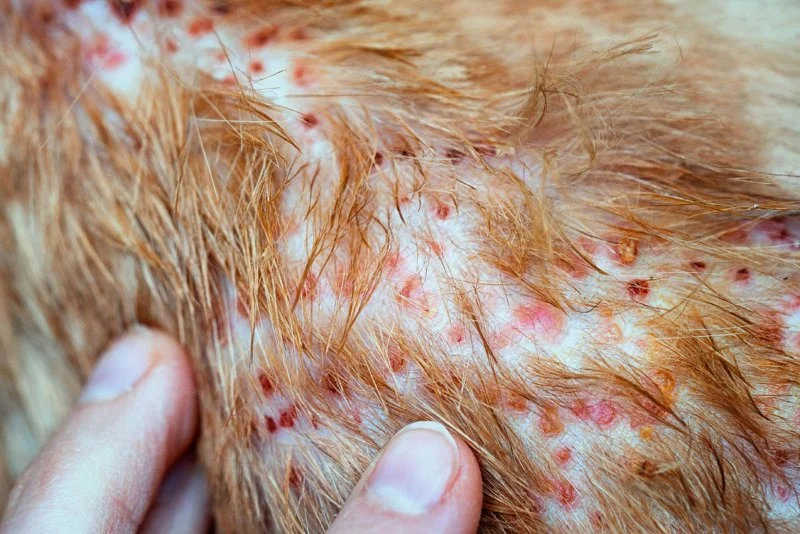
- 1 - Understanding Allergic Dermatitis in Cats
- 2 - Symptoms of Allergic Dermatitis in Cats
- 3 - Common Causes of Allergic Dermatitis in Cats
- 4 - How to Treat Allergic Dermatitis in Cats
- 5 - When to See a Veterinarian for Allergic Dermatitis
1 - Understanding Allergic Dermatitis in Cats
Allergic dermatitis in cats is a common condition that causes skin inflammation, itching, and discomfort due to allergies. Just like humans, cats can develop allergies to a variety of triggers, and when their immune system overreacts, it results in allergic dermatitis. This condition can significantly affect your cat’s quality of life, making it crucial for pet owners to understand its symptoms and treatment options.
2 - Symptoms of Allergic Dermatitis in Cats
Identifying allergic dermatitis in cats is the first step in seeking the appropriate treatment. Here are some common symptoms of this condition:
- Excessive scratching or biting: Cats with allergic dermatitis may scratch or bite their skin to relieve the itching.
- Hair loss: Over-scratching or chewing on affected areas can lead to hair loss, especially around the ears, face, and paws.
- Red or inflamed skin: The skin may appear red, swollen, or irritated in areas where the cat is scratching or licking.
- Scabs or sores: In more severe cases, cats may develop scabs, sores, or even open wounds due to constant scratching.
- Excessive licking: Cats may lick affected areas, leading to further irritation and infection.
If your cat is showing any of these signs, it may be suffering from allergic dermatitis. Prompt identification and treatment are key to providing relief.
3 - Common Causes of Allergic Dermatitis in Cats
There are several common causes of allergic dermatitis in cats. These include:
- Flea allergies: Flea bites are one of the most common causes of allergic dermatitis in cats. Cats with flea allergies may develop intense itching and skin irritation in response to flea saliva.
- Food allergies: Certain ingredients in cat food, such as beef, chicken, or grains, can trigger allergic reactions in some cats, leading to dermatitis.
- Environmental allergies: Cats can develop allergies to pollen, dust mites, mold, or even certain cleaning products. These allergens can cause itching and inflammation, especially during specific seasons.
- Contact allergies: Some cats may develop allergic reactions to substances that come into direct contact with their skin, such as certain fabrics, chemicals, or even shampoos.
Identifying the specific cause of allergic dermatitis is important for effective treatment. Working with your veterinarian to determine the underlying trigger can help in managing and reducing the condition.
4 - How to Treat Allergic Dermatitis in Cats
Treating allergic dermatitis in cats involves addressing both the symptoms and the underlying cause. Here are some common treatment options:
- Flea control: If fleas are the cause of the dermatitis, using flea preventatives and treating the home environment is essential to eliminate the source of the problem.
- Medications: Your veterinarian may prescribe antihistamines, corticosteroids, or other medications to help reduce inflammation and relieve itching. In some cases, antibiotics may be needed if the skin has become infected.
- Diet changes: If food allergies are suspected, your veterinarian may recommend an elimination diet to identify and avoid the specific allergen.
- Shampoos and topical treatments: Medicated shampoos and ointments can help soothe the skin and reduce inflammation, providing relief to the affected areas.
- Immunotherapy: In severe cases, immunotherapy (allergy shots or oral tablets) may be recommended to desensitize your cat to specific allergens over time.
Treatment plans should be tailored to your cat's specific needs, and it's essential to follow your veterinarian's instructions for the best results.
5 - When to See a Veterinarian for Allergic Dermatitis
If you suspect your cat has allergic dermatitis, it's important to consult with a veterinarian as soon as possible. A veterinarian can accurately diagnose the condition and determine the underlying cause. If left untreated, allergic dermatitis can lead to secondary infections, worsening symptoms, and long-term discomfort for your cat.
Seek veterinary care if:
- Your cat’s symptoms are severe or persistent.
- The skin becomes infected with sores or open wounds.
- There’s no improvement with initial treatment.
- You notice other unusual symptoms, such as loss of appetite or lethargy.
By working with your veterinarian, you can help your cat find relief and restore its health and comfort.
If you're looking for quality products to support your cat’s health, visit Brothers Pets for the best options in cat care.






 Irvington Veterinary Clinic4.0 (87 reviews)
 Agoura Hills Animal Hospital4.0 (80 reviews)
 Animal Clinic of Ava4.0 (261 reviews)
 Oley Valley Animal Clinic4.0 (1148 reviews)
 Farmersville Veterinary4.0 (142 reviews)
 PetVet Vaccination Clinic0.0 (0 reviews)
 How to Handle Pet Loss: Coping Strategies for Grieving Pet Owners
 Understanding Pet Dental Health: Why Oral Care Matters
 How to Clean Your Cat’s Ears Safely at Home | Simple Tips and Advice
 How to Recognize and Treat Pet Coughing and Respiratory Issues
 Understanding Canine Epilepsy and Seizure Management
 How to Deal with Pet Stress During Traveling – Expert Tips to Help Your Pet Cope