

- 1. Understanding Canine Epilepsy
- 2. Recognizing Seizures in Dogs
- 3. Managing Canine Epilepsy and Seizures
- 4. Medications and Treatments for Dog Epilepsy
- 5. Support and Resources for Dog Owners
- 6. Get Help at Brothers Pets
1. Understanding Canine Epilepsy
Canine epilepsy is a neurological condition that causes dogs to experience recurrent seizures. It can occur at any age but is often diagnosed in younger dogs, typically between the ages of 6 months and 6 years. While the exact cause of epilepsy in dogs is often unknown, it can be attributed to genetic factors, brain injuries, or underlying health issues.
Epilepsy is characterized by spontaneous, intermittent seizures, which are caused by abnormal electrical activity in the brain. Seizures can range from mild to severe, and they often cause confusion, loss of consciousness, and muscle spasms. Understanding epilepsy and recognizing its symptoms is crucial for providing proper care and treatment for affected dogs.
2. Recognizing Seizures in Dogs
Seizures in dogs can present in a variety of ways, and it’s essential to be able to identify them to take immediate action. Some common signs of seizures include:
- Convulsions: Jerking, twitching, and shaking of the body, especially the limbs.
- Loss of consciousness: The dog may lose awareness of their surroundings and may collapse.
- Drooling or foaming at the mouth: Some dogs will excessively drool during a seizure.
- Involuntary urination or defecation: Seizures can cause a loss of control over bodily functions.
- Postictal phase: After the seizure, the dog may appear disoriented, confused, or tired for several minutes to hours.
If you notice any of these signs, it’s important to stay calm and monitor the situation closely. Do not attempt to restrain your dog during a seizure or put anything in their mouth. Keep them in a safe environment and contact your veterinarian immediately for further guidance.
3. Managing Canine Epilepsy and Seizures
Managing canine epilepsy requires a combination of treatment, lifestyle adjustments, and consistent monitoring. Here are some important tips for managing your dog’s epilepsy:
- Routine veterinary care: Regular check-ups with a veterinarian who specializes in neurology are essential to managing epilepsy. Your vet will monitor your dog’s condition and adjust treatment plans as necessary.
- Reduce stress: Stress can trigger seizures in some dogs. Maintaining a calm environment, avoiding sudden changes, and sticking to a consistent routine can help minimize stress.
- Monitor seizures: Keep a record of the frequency, duration, and type of seizures your dog experiences. This information will be helpful for your veterinarian in adjusting treatment plans.
4. Medications and Treatments for Dog Epilepsy
There are several medications available to help control seizures in dogs with epilepsy. The goal of treatment is to reduce the frequency and severity of seizures while minimizing side effects. Common medications prescribed for dogs with epilepsy include:
- Phenobarbital: This is the most commonly prescribed anti-seizure medication for dogs. It helps regulate brain activity to prevent seizures.
- KBr (Potassium Bromide): Often used in combination with phenobarbital, potassium bromide helps reduce seizures, particularly in cases where phenobarbital alone is ineffective.
- Zonisamide: A newer anticonvulsant that may be prescribed for dogs with refractory seizures that don’t respond to other medications.
- Levetiracetam: An anticonvulsant that is often used for dogs with epilepsy that is not well-controlled by other medications.
It’s important to follow your veterinarian’s instructions carefully when administering medication. Regular blood tests may be required to monitor drug levels and liver function, especially with long-term use of medications like phenobarbital.
5. Support and Resources for Dog Owners
Living with a dog who has epilepsy can be challenging, but there are resources and support networks available to help you. Veterinary neurologists, pet support groups, and online communities can provide valuable advice and emotional support for dog owners dealing with epilepsy. Connecting with others who have experience with canine epilepsy can be reassuring and helpful as you navigate your dog’s condition.
6. Get Help at Brothers Pets
If you are looking for the best products to help manage your dog’s epilepsy, visit Brothers Pets for a curated selection of pet medications, supplements, and accessories. We offer a range of products that can support your dog’s health and well-being, including seizure management products and comfort items to make your dog’s life easier. Visit us today to find the best care for your furry friend.





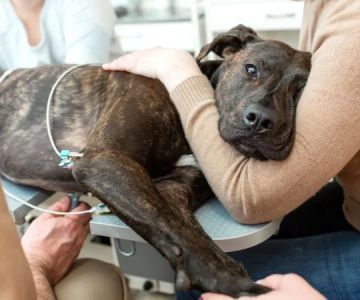
 Banfield Pet Hospital3.0 (224 reviews)
 Lakeview Veterinary Clinic4.0 (164 reviews)
 Toadally Frogs LLC4.0 (289 reviews)
 Pembroke Animal Hospital4.0 (331 reviews)
 Hershey Veterinary Hospital4.0 (366 reviews)
 Petland Batavia3.0 (314 reviews)
 Senior Dog Joint Health: Supplements, Gentle Exercises, and Home Care for Better Mobility
 Common Mistakes in Pet Adoption and How to Avoid Them
 Understanding Canine Hip Health and Exercise Needs: Key Insights
 How to Care for Your Pet's Eyes and Ears
 Top 11 Tips for Veterinary Advice Every Pet Owner Should Know
 How to Choose the Right Pet Boarding Facility | Brothers Pets