
- 1. The Importance of a Healthy Coat for Your Pet
- 2. Top Tips for Maintaining a Pet's Coat
- 3. Common Mistakes to Avoid in Pet Coat Care
- 4. Best Products for Your Pet’s Coat
- 5. How to Spot Health Issues in Your Pet’s Coat
1. The Importance of a Healthy Coat for Your Pet
When it comes to caring for your pet, a healthy, shiny coat is more than just a sign of good grooming—it's an indicator of overall health. A well-maintained coat not only looks good but also provides insulation and protection from environmental elements. It helps regulate body temperature and prevents parasites from causing harm. Whether your pet has long, short, or curly fur, ensuring their coat remains in top condition is vital for their well-being.
2. Top Tips for Maintaining a Pet's Coat
Maintaining your pet’s coat requires consistent effort, but with the right approach, you can easily keep it healthy and shiny. Here are some essential tips to ensure your pet’s fur stays in great shape:
1. Regular Brushing
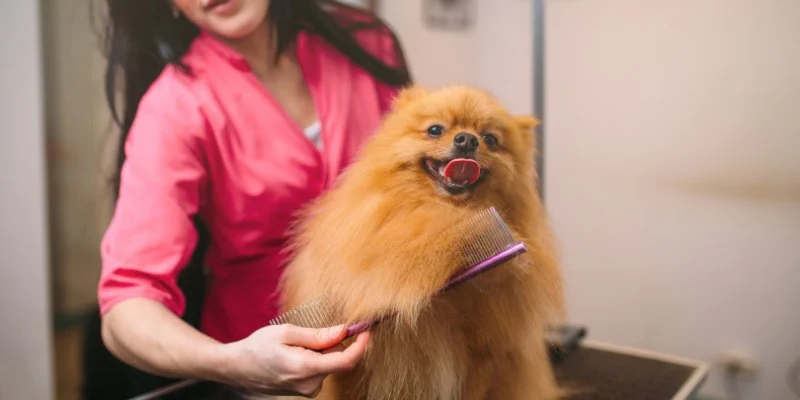
Brushing your pet's coat not only helps prevent mats and tangles but also stimulates blood circulation to the skin, promoting a healthier coat. Depending on your pet’s breed and coat type, aim to brush their fur at least once a week. Long-haired pets may require more frequent grooming to prevent tangles and mats.
2. Bathing Your Pet
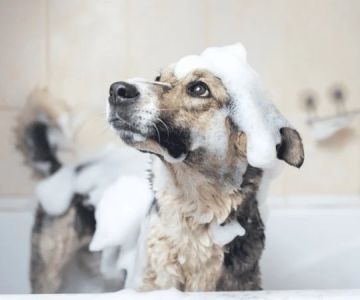
Regular baths are essential for keeping your pet’s coat clean and free from dirt and oils. Use a gentle pet shampoo that suits their skin type. Bathing too frequently can strip the coat of natural oils, so it’s important to find a balance. Typically, once a month is sufficient, but it may vary based on your pet's activity level and coat condition.
3. Diet and Nutrition
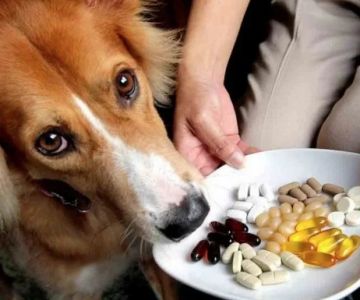
A balanced diet rich in essential nutrients like Omega-3 fatty acids, protein, and vitamins can significantly improve the health of your pet’s coat. High-quality pet food and supplements are an excellent way to support your pet's skin and coat from the inside out. Consult your veterinarian for specific recommendations based on your pet’s breed and needs.
4. Flea and Tick Prevention
Parasites like fleas and ticks can wreak havoc on your pet’s skin and coat, causing itching, hair loss, and infection. Regular use of flea and tick preventatives is crucial to maintaining your pet’s coat health. Always follow your vet’s advice on the best products for your pet’s specific needs.
3. Common Mistakes to Avoid in Pet Coat Care
While taking care of your pet’s coat is important, there are common mistakes many pet owners make. Here are a few to avoid:
1. Overbathing
Bathing your pet too often can strip their coat of essential oils, leaving it dry and dull. Stick to a bath schedule that suits your pet’s needs, and only bathe them when necessary to avoid damaging their coat.
2. Using the Wrong Products
Human shampoos and conditioners are not suitable for pets, as they can irritate the skin and lead to coat problems. Always use products specifically formulated for pets to ensure their skin remains healthy and their coat stays shiny.
3. Ignoring Undercoat Maintenance
Many pets have an undercoat that can become matted if not properly maintained. Failing to groom the undercoat regularly can lead to skin irritation and discomfort. Make sure to address the undercoat by using a specialized comb or brush designed for the task.
4. Best Products for Your Pet’s Coat
To ensure the health and longevity of your pet’s coat, the right grooming tools and products are essential. Here are some top recommendations:
1. High-Quality Pet Shampoo
Invest in a gentle, pet-specific shampoo to cleanse your pet's coat without damaging their skin. Look for shampoos that are free from harsh chemicals and are designed for your pet’s specific skin type, whether they have sensitive skin or dry fur.
2. Grooming Brushes and Combs
Using the right brush for your pet’s coat type is critical. Slicker brushes work well for longer coats, while bristle brushes are ideal for shorter coats. A comb designed for detangling will also help remove mats in thicker fur.
3. Omega-3 Supplements
Omega-3 fatty acids are essential for promoting healthy skin and a shiny coat. Consider adding Omega-3 supplements to your pet’s diet to boost their coat health from the inside out.
5. How to Spot Health Issues in Your Pet’s Coat
Changes in your pet’s coat can sometimes indicate underlying health issues. Watch out for the following signs:
1. Excessive Shedding
While some shedding is normal, excessive hair loss can indicate problems like poor diet, stress, or even a medical condition such as allergies or thyroid issues.
2. Dry, Flaky Skin
If your pet’s skin becomes dry, flaky, or scaly, it could be a sign of dehydration, an allergy, or a skin condition. Ensure they are getting proper nutrition and consult a vet if symptoms persist.
3. Bald Spots or Redness
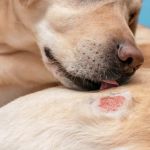
Bald patches or redness on your pet’s skin may indicate an infection, fleas, or a more serious health problem. Regular inspections and prompt attention to these issues will keep your pet comfortable and healthy.
For more pet grooming advice and to find the best products for your furry friend, visit Brothers Pets to discover top-rated products and services to meet all your pet care needs.


 Piggy Pet Shop3.0 (27 reviews)
 Greenway Animal Clinic4.0 (133 reviews)
 CityVet | Frisco Lexington4.0 (78 reviews)
 Just Pets Veterinary Hospital4.0 (78 reviews)
 Valley Herd Health, LLC4.0 (16 reviews)
 Little Island Pet Store4.0 (48 reviews)
 How to Spot and Treat Liver Disease in Cats and Dogs: A Complete Guide
 Understanding Pet Parasites: Prevention and Treatment
 Preparing Your Pet for a New Baby: A Complete Guide for U.S. Families
 Common Skin Conditions in Dogs and Their Treatments | Dog Skin Care Tips
 Is Your Seasonal Pet Care on Track? | Year-Round Wellness Tips for Pets
 Top 12 Tips for Pet Diseases Every Pet Parent Should Know