
Common Skin Conditions in Dogs and Their Treatments
- 1 - Introduction to Skin Conditions in Dogs
- 2 - Types of Common Skin Conditions in Dogs
- 3 - How to Treat Skin Conditions in Dogs
- 4 - Prevention and Care for Healthy Dog Skin
- 5 - When to See a Veterinarian
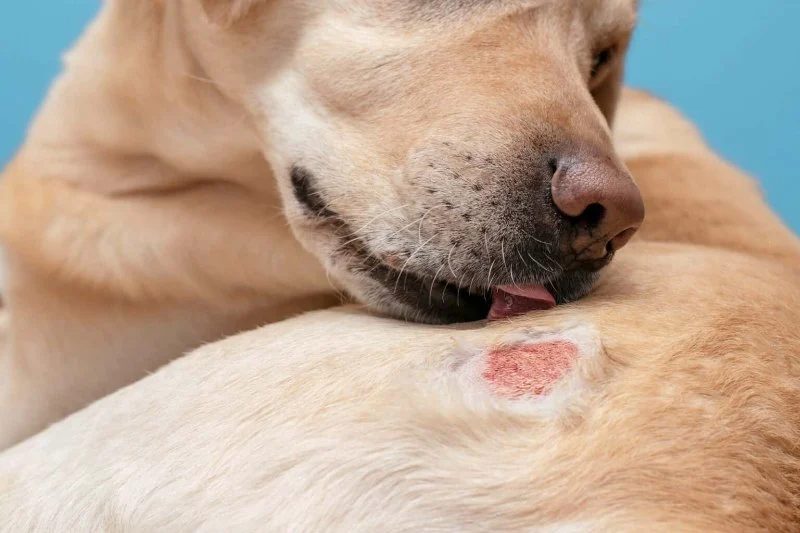
Skin conditions are one of the most common health issues dogs face. Dogs of all breeds and ages can suffer from various skin problems, ranging from mild rashes to more severe conditions that cause discomfort and irritation. Understanding the causes of these conditions and how to treat them is essential for maintaining your dog’s overall health. Just like humans, dogs are prone to skin irritations due to environmental factors, allergies, infections, or parasites. Recognizing the symptoms early and taking appropriate action can help your pet feel better and prevent further complications. Dogs can experience a variety of skin conditions, each with different causes and symptoms. Here are some of the most common skin issues in dogs: Fleas are a common cause of itching and discomfort in dogs, leading to flea allergic dermatitis (FAD). Dogs affected by FAD are allergic to the saliva of fleas, resulting in intense itching, hair loss, and inflammation, especially around the tail, legs, and belly. Regular flea treatments are essential for prevention. Hot spots are inflamed, moist areas of skin that are often caused by excessive scratching or licking. They are common in dogs with allergies, flea infestations, or skin infections. Hot spots can develop quickly and should be treated immediately to avoid further infection. Mange is caused by mites that burrow into a dog’s skin, leading to itching, hair loss, and sores. There are two types of mange: demodectic mange and sarcoptic mange. Demodectic mange is usually caused by a weakened immune system, while sarcoptic mange is highly contagious and requires treatment from a veterinarian. Yeast infections in dogs can cause skin irritation, especially in moist areas like the ears, paws, and underarms. The most common cause is an overgrowth of yeast, which can result from allergies, poor hygiene, or excessive moisture. Treatment typically involves antifungal medication and maintaining a clean environment for your dog. Dry skin and dandruff are often caused by environmental factors like dry air, or underlying health conditions such as hypothyroidism. Dogs with dry skin may scratch excessively and develop flaky, dry patches. Regular moisturizing shampoos and balanced diets can help alleviate these issues. Treating skin conditions in dogs largely depends on the specific issue and severity. Here are some general treatment options: Depending on the diagnosis, your veterinarian may prescribe oral medications, topical treatments, or antifungal creams to help treat skin conditions. Antibiotics may be used for bacterial infections, while steroids or antihistamines may be prescribed for allergic reactions. Bathing your dog with specialized shampoos designed for their skin condition can help soothe irritation, remove allergens, and prevent further infections. It’s important to follow your vet's advice on how often to bathe your dog, as over-bathing can sometimes worsen the condition. For conditions like hot spots or dry skin, your vet may recommend topical ointments or sprays to alleviate itching and promote healing. These treatments often contain soothing ingredients like aloe vera or hydrocortisone to help reduce inflammation. Flea and tick prevention is essential in treating and preventing flea allergies and mange. Regular flea treatments, along with keeping your dog’s environment clean, can help keep pests at bay and reduce the likelihood of skin conditions caused by these parasites. Preventing skin conditions in dogs involves maintaining proper hygiene, a healthy diet, and a routine care plan. Here are some tips to keep your dog’s skin healthy: A balanced diet rich in essential fatty acids, vitamins, and minerals promotes healthy skin and coat. Talk to your veterinarian about the best food for your dog’s breed and condition to ensure their skin remains in optimal condition. Brushing your dog regularly removes dirt, debris, and dead skin cells that can cause irritation. Grooming also helps you monitor for signs of skin conditions like flea infestations or hot spots, so you can address problems before they worsen. Ensure your dog stays hydrated, especially during warmer months. Proper hydration helps keep their skin moisturized and can prevent dry skin or dandruff. It’s important to seek veterinary care if your dog’s skin condition worsens or if they show signs of severe discomfort, such as excessive scratching, open wounds, or hair loss. A veterinarian can provide a proper diagnosis and treatment plan to help your dog recover. If you notice any abnormal behavior or symptoms related to your dog’s skin, don’t hesitate to contact your vet for advice. Early intervention can prevent further complications and ensure your pet’s health. For more information about treating your dog’s skin conditions or to find the best products for your pet, visit Brothers Pets for expert recommendations and services.1 - Introduction to Skin Conditions in Dogs
2 - Types of Common Skin Conditions in Dogs
1. Flea Allergic Dermatitis (FAD)
2. Hot Spots
3. Mange
4. Yeast Infections
5. Dry Skin and Dandruff
3 - How to Treat Skin Conditions in Dogs
1. Medication
2. Regular Bathing
3. Topical Treatments
4. Flea and Tick Prevention
4 - Prevention and Care for Healthy Dog Skin
1. Maintain a Healthy Diet
2. Regular Grooming
3. Proper Hydration
5 - When to See a Veterinarian




 Banfield Pet Hospital3.0 (224 reviews)
 Lakeview Veterinary Clinic4.0 (164 reviews)
 Toadally Frogs LLC4.0 (289 reviews)
 Pembroke Animal Hospital4.0 (331 reviews)
 Hershey Veterinary Hospital4.0 (366 reviews)
 Petland Batavia3.0 (314 reviews)
 Senior Dog Joint Health: Supplements, Gentle Exercises, and Home Care for Better Mobility
 Common Mistakes in Pet Adoption and How to Avoid Them
 Understanding Canine Hip Health and Exercise Needs: Key Insights
 How to Care for Your Pet's Eyes and Ears
 Top 11 Tips for Veterinary Advice Every Pet Owner Should Know
 How to Choose the Right Pet Boarding Facility | Brothers Pets