
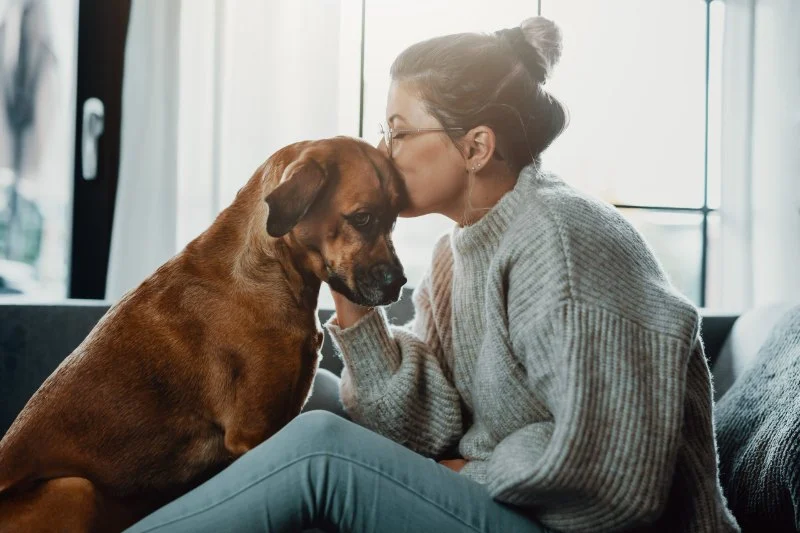
How to Handle Pet Loss: Coping Strategies for Grieving Pet Owners
- 1. Understanding Pet Loss
- 2. Common Emotions When Losing a Pet
- 3. Effective Strategies for Coping with Pet Loss
- 4. Supporting Yourself During Pet Loss
- 5. Helping Other Pet Owners Through Grief
- 6. Real-Life Stories of Coping with Pet Loss
1. Understanding Pet Loss
Losing a pet is a deeply emotional experience, and it’s something that many pet owners will face at some point. Pets are often considered family members, and their passing can bring about a complex mix of feelings. Understanding the nature of pet loss is an important first step in the grieving process. It’s vital to recognize that the grief experienced from losing a pet is real and should be acknowledged, just like the loss of a human loved one.
2. Common Emotions When Losing a Pet
Grieving the loss of a pet can evoke a wide range of emotions. While each person’s experience is unique, some common feelings include:
Shock and Denial
Many pet owners experience a sense of shock or disbelief when their pet passes away. You may feel numb or disconnected, struggling to accept the reality of the loss. This is a natural emotional response as the mind tries to process the unexpected event.
Sadness and Depression
Sadness is perhaps the most common emotion, as the absence of your pet can feel overwhelming. Some people may even experience depression, withdrawing from daily activities and struggling to find joy in things that once brought happiness.
Guilt and Regret
Guilt often follows pet loss, particularly if you feel you could have done more to help or keep your pet comfortable. It’s important to recognize that these feelings are common but do not reflect reality; you did what you could, and your pet’s love and bond were genuine.
Relief
If your pet was suffering from a prolonged illness, relief may also be an emotion you experience. While it may feel conflicting, relief can be a sign of compassion and empathy for your pet’s struggle, and it’s okay to feel this way.
3. Effective Strategies for Coping with Pet Loss
Coping with the loss of a pet is never easy, but there are strategies that can help ease the grieving process:
Allow Yourself to Grieve
It’s essential to give yourself permission to grieve. Allow yourself to feel the emotions and give yourself the time and space to process the loss. Suppressing your feelings can prolong the pain, while expressing grief can help bring healing.
Memorializing Your Pet
Creating a memorial for your pet can help keep their memory alive. Consider making a scrapbook, planting a tree in their honor, or even creating a paw print impression as a keepsake. These actions allow you to celebrate the bond you shared.
Talk About Your Loss
Sometimes, simply talking to someone who understands can bring comfort. Whether it’s a family member, friend, or professional counselor, expressing your feelings and memories can help you work through your grief. Support groups for grieving pet owners can also offer a sense of community.
Maintain a Routine
After the loss, try to maintain a routine. This provides structure and normalcy during a time when everything may feel out of place. It can be helpful to resume activities, even if they don’t bring the same joy at first, as a way of gradually healing.
4. Supporting Yourself During Pet Loss
During this difficult time, it’s crucial to take care of yourself. You may feel overwhelmed by your emotions, and self-care can sometimes fall by the wayside. Here are some self-care tips:
Physical Activity
Regular physical activity can improve mood and reduce feelings of stress or sadness. Even a simple walk in nature can help you feel more grounded and provide some emotional relief.
Seek Professional Help
If your grief becomes too overwhelming or interferes with your daily life, speaking to a therapist or counselor can provide valuable support. Some therapists specialize in grief and can help guide you through the mourning process.
Consider Adopting Another Pet (When Ready)
Some pet owners find comfort in adopting a new pet after some time. However, it’s important to wait until you’re ready and not adopt impulsively. A new pet will never replace the one you lost, but it can bring fresh joy into your life when you’re ready to love again.
5. Helping Other Pet Owners Through Grief
If you know someone who is grieving the loss of a pet, offering support can make a big difference. Here are some ways to help:
Be a Good Listener
Sometimes, the best way to help is simply by listening. Allow the grieving person to talk about their pet, share stories, and express their emotions without judgment.
Offer Practical Help
Offering practical support, such as helping with household chores or running errands, can give the grieving person some space to process their emotions.
Send a Sympathy Gift
A sympathy gift, such as a memorial item or a handwritten note, can provide comfort and let the person know you’re thinking of them during this difficult time.
6. Real-Life Stories of Coping with Pet Loss
Many pet owners have shared their stories of how they coped with the death of their beloved pets. For example, Jennifer lost her dog, Buddy, after a long battle with cancer. She found comfort in making a photo album of their memories and volunteering at a local animal shelter, which helped her heal by focusing on the needs of other animals.
Similarly, Mark adopted a kitten months after his dog, Max, passed away. Mark explains that adopting his new pet didn’t diminish his love for Max but allowed him to fill the empty space in his heart with another animal to love.
If you are struggling with the loss of a pet, remember that you are not alone. There is support available, and you can reach out to communities like Brothers Pets for helpful resources and products to help you through this difficult time.





 Downtown St. Pete Vet Clinic4.0 (77 reviews)
 Crossroads Animal Clinic Inc5.0 (35 reviews)
 All About Pets Animal Hospital4.0 (140 reviews)
 PetVet Vaccination Clinic0.0 (0 reviews)
 Banfield Pet Hospital3.0 (69 reviews)
 Cornell University Equine Hospital4.0 (62 reviews)
 Maintaining Healthy Weight for Indoor Cats: Essential Tips
 How to Safely Handle Pet Emergencies: A First-Aid Guide
 How to Improve Your Pet’s Mental Health: Everyday Steps That Make a Big Difference
 The Role of Supplements in Your Pet's Health
 The Ultimate Guide to Pet Training: Tips, Tools & Expert Advice
 How to Safely Transition Your Pet to a New Food Brand