
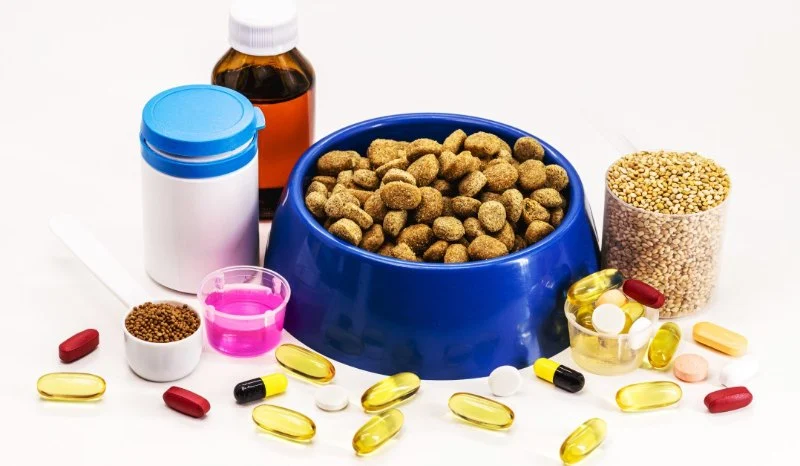
The Role of Supplements in Your Pet's Health
php-templateCopy code- 1. Understanding the Importance of Pet Supplements
- 2. Common Types of Supplements for Pets
- 3. How Supplements Support Your Pet's Health
- 4. Choosing the Right Supplements for Your Pet
- 5. How to Introduce Supplements to Your Pet's Diet
- 6. When to Consult a Veterinarian About Supplements
- 7. Conclusion: Enhancing Your Pet’s Health with the Right Supplements
1. Understanding the Importance of Pet Supplements
Just like humans, pets require essential nutrients for optimal health and wellness. While a balanced diet is crucial, many pets may not receive all the vitamins, minerals, and nutrients they need from food alone. This is where supplements come in. Supplements are designed to fill nutritional gaps and support your pet’s overall health, providing them with the extra boost they need to thrive. Whether you have a young, active dog, a senior cat, or a pet with specific health issues, supplements can play a vital role in enhancing their well-being.
2. Common Types of Supplements for Pets
There is a wide range of pet supplements available, each targeting different aspects of health. Some of the most common types of supplements include:
1. Joint Supplements
Joint health is particularly important for older pets or those prone to arthritis. Supplements like glucosamine, chondroitin, and MSM (Methylsulfonylmethane) help support healthy cartilage, reduce inflammation, and maintain joint function, allowing pets to stay active and mobile.
2. Omega-3 Fatty Acids
Omega-3 fatty acids, found in fish oils, are essential for maintaining healthy skin, a shiny coat, and reducing inflammation. These supplements are also beneficial for pets with allergies, skin conditions, or joint issues, as they help soothe inflammation and improve overall coat health.
3. Probiotics
Probiotics are live bacteria and yeasts that promote a healthy gut flora. They can be helpful for pets with digestive issues, such as diarrhea or constipation, or for those recovering from an illness or taking antibiotics. Probiotics help support a healthy immune system and improve overall digestive health.
4. Multivitamins
Multivitamins are a convenient way to ensure your pet receives a balanced combination of essential vitamins and minerals. They are especially beneficial for pets with specific dietary restrictions or those on a home-cooked diet that might lack certain nutrients.
5. Antioxidants
Antioxidants, such as vitamins C and E, help protect cells from oxidative stress and support the immune system. These supplements are especially useful for senior pets, as they help combat the effects of aging and prevent chronic diseases.
3. How Supplements Support Your Pet's Health
Supplements provide several key benefits for your pet, addressing specific health concerns and enhancing their overall quality of life:
1. Supporting Healthy Digestion
Digestive issues, such as bloating, constipation, or diarrhea, can impact your pet’s comfort and well-being. Probiotics and fiber supplements help maintain a healthy gut, improve nutrient absorption, and support regular bowel movements.
2. Boosting Immune Function
Antioxidants and vitamins are essential for boosting your pet’s immune system, helping them resist illness and recover more quickly from infections or surgery. Omega-3 fatty acids and other nutrients also have anti-inflammatory properties that can reduce the risk of chronic diseases and support overall health.
3. Promoting Healthy Skin and Coat
A shiny coat and healthy skin are indicators of a well-balanced, nutrient-rich diet. Omega-3 supplements and vitamins help maintain a strong, shiny coat and alleviate symptoms of dry, itchy skin or allergies. They also help reduce shedding and prevent hair loss.
4. Maintaining Joint Health and Mobility
Joint supplements like glucosamine and chondroitin help support the cartilage and synovial fluid that keep your pet’s joints flexible and healthy. They are especially important for aging pets or breeds prone to hip and elbow dysplasia, arthritis, or other joint-related issues.
4. Choosing the Right Supplements for Your Pet
With so many supplements available, choosing the right ones for your pet can feel overwhelming. Here’s how to narrow down your options:
1. Assess Your Pet’s Specific Needs
Before selecting a supplement, assess your pet’s unique health needs. Consider factors such as age, breed, size, activity level, and any existing health conditions. For instance, senior pets may benefit from joint supplements, while younger, active pets may need a multivitamin to support overall health.
2. Consult with Your Veterinarian
Always consult your veterinarian before introducing any new supplements to your pet’s diet. A vet can help you identify any nutritional gaps and recommend supplements that are safe and effective for your pet’s specific condition.
3. Choose High-Quality, Trusted Brands
Not all supplements are created equal. Look for reputable brands that use high-quality ingredients and have positive reviews from other pet owners. Quality supplements are manufactured under strict guidelines to ensure safety and efficacy.
5. How to Introduce Supplements to Your Pet's Diet
Introducing supplements to your pet’s diet requires patience and consistency. Here’s how to make the process as smooth as possible:
1. Start Slowly
Introduce the supplement gradually into your pet’s food to avoid digestive upset. Begin with a small amount and slowly increase it to the recommended dosage over a week or two.
2. Hide Supplements in Food
If your pet is picky about taking supplements, try hiding them in their favorite food or treats. Many pet owners use peanut butter, cheese, or soft treats to mask the taste of pills or powders.
3. Monitor for Any Side Effects
Keep an eye on your pet for any signs of adverse reactions, such as digestive issues, vomiting, or allergic reactions. If any side effects occur, stop the supplement and consult your veterinarian immediately.
6. When to Consult a Veterinarian About Supplements
While supplements can be beneficial for your pet’s health, there are times when consulting a veterinarian is essential:
1. Health Conditions or Medications
If your pet has a pre-existing health condition or is taking medication, always consult your vet before adding supplements to their diet. Some supplements may interact with medications, potentially causing negative side effects.
2. Uncertainty About Supplementation
If you’re unsure which supplements to choose or whether your pet needs them, a veterinarian can guide you based on your pet’s health profile and lifestyle.
7. Conclusion: Enhancing Your Pet’s Health with the Right Supplements
Supplements can play a vital role in supporting your pet’s overall health and well-being, especially when they are used to address specific health concerns. By carefully choosing the right supplements and introducing them gradually into your pet’s diet, you can help ensure they live a longer, healthier, and more active life. For more information on supplements and pet health, visit Brothers Pets, where we offer a wide range of high-quality pet supplements to suit your pet’s needs.





 Wolf Run Veterinary Clinic4.0 (650 reviews)
 Family Pet Care LLC4.0 (370 reviews)
 Petco4.0 (479 reviews)
 Weber Road Veterinary Clinic4.0 (260 reviews)
 Spry Companions: Veterinary Orthopedic Specialists5.0 (95 reviews)
 Pura Vida Animal Rescue, Veterinary Health and Wellness4.0 (7 reviews)
 How to Keep Your Pet Safe from Household Poisons
 Beginner's Guide to Pet Health | Essential Tips for New Pet Owners
 How to Spot and Treat Digestive Problems in Cats
 How to Recognize and Treat Common Pet Diseases – Expert Tips
 How to Prevent and Treat Pet Fleas Naturally: Safe Solutions for Your Pet
 The Benefits of Regular Exercise for Your Pet’s Physical and Mental Health