
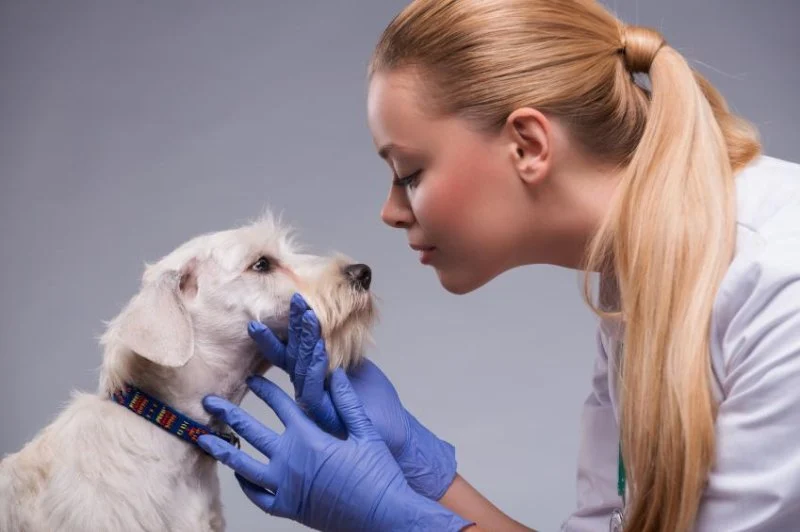
- Introduction to Canine Distemper
- How to Spot the Symptoms of Canine Distemper
- Treatment Options for Canine Distemper
- Preventing Canine Distemper
- Real-Life Examples and Case Studies
1. Introduction to Canine Distemper
Canine distemper is a highly contagious viral disease that affects dogs, and it can be fatal if left untreated. It primarily affects the respiratory, gastrointestinal, and nervous systems, and is particularly dangerous for puppies, older dogs, and dogs with weakened immune systems. Understanding the signs, symptoms, and treatment options for canine distemper is crucial for every dog owner. In this article, we will guide you through everything you need to know about recognizing and managing this disease to ensure your dog’s health and well-being.
2. How to Spot the Symptoms of Canine Distemper
The symptoms of canine distemper can vary depending on the stage of the disease, but there are several common signs you can look out for:
- Fever: One of the first symptoms is a high fever, which may last for several days.
- Respiratory Issues: Distemper often causes coughing, nasal discharge, and difficulty breathing as it affects the respiratory system.
- Gastrointestinal Problems: Dogs with distemper may experience vomiting, diarrhea, and a loss of appetite.
- Neurological Symptoms: As the disease progresses, it can lead to seizures, tremors, and muscle twitching. These symptoms are often seen in the later stages of distemper.
- Eye Issues: Conjunctivitis (inflammation of the eyes) and eye discharge are common signs of distemper.
- Behavioral Changes: Distemper can cause behavioral changes such as lethargy, confusion, or an inability to respond to commands.
If you notice any combination of these symptoms in your dog, it’s important to seek veterinary care immediately. Early detection and treatment can improve your dog’s chances of recovery.
3. Treatment Options for Canine Distemper
There is no cure for canine distemper, but supportive care can help manage the symptoms and give your dog the best chance of recovery. The treatment approach generally includes the following:
- Antibiotics: While antibiotics cannot cure the virus itself, they can help prevent secondary bacterial infections that may arise due to the weakened immune system.
- Fluids and Electrolytes: IV fluids are often administered to keep your dog hydrated, especially if they are suffering from vomiting or diarrhea.
- Anticonvulsants: If your dog is having seizures, anticonvulsant medications can be used to help control the symptoms.
- Supportive Care: Additional treatments, such as anti-nausea medications and appetite stimulants, may be used to support your dog’s recovery and ensure they remain comfortable.
In severe cases, your dog may need to stay in the hospital for intensive care, but many dogs can recover with proper treatment and time. Keep in mind that recovery can take several weeks, and some dogs may suffer long-term neurological damage.
4. Preventing Canine Distemper
The best way to protect your dog from distemper is through vaccination. Puppies typically receive a distemper vaccine as part of their core vaccination schedule, starting at around 6-8 weeks of age and continuing until they are fully vaccinated. Adult dogs should also receive regular boosters to maintain immunity.
In addition to vaccination, here are a few other tips for preventing the spread of canine distemper:
- Limit exposure: Avoid taking your dog to places where they may come into contact with infected animals, especially if they are not yet vaccinated.
- Isolation: If you have a dog with distemper, keep them away from other pets to prevent the virus from spreading.
- Good hygiene: Regularly clean your dog’s bedding, toys, and living area to minimize the risk of infection.
Vaccination is by far the most effective form of prevention, so ensure that your dog is up to date on their vaccinations to protect them from this deadly disease.
5. Real-Life Examples and Case Studies
In one case, a puppy named Max showed early signs of canine distemper with a persistent cough and high fever. His owner rushed him to the vet, where he was diagnosed with the disease. Fortunately, Max received immediate treatment with antibiotics and fluids, and after several weeks, he made a full recovery. This case illustrates the importance of early detection and seeking veterinary care at the first sign of symptoms.
Another example involves a senior dog named Bella, who had a history of respiratory issues. When she started showing signs of distemper, her owners quickly sought veterinary help. Despite being an older dog, Bella responded well to treatment and was able to recover with minimal long-term effects. This case highlights that while distemper is particularly dangerous for puppies, it can affect dogs of all ages, and timely treatment can make a difference in recovery outcomes.
Conclusion
Canine distemper is a serious illness that requires immediate attention. By understanding the symptoms, treatment options, and preventative measures, you can give your dog the best chance of staying healthy and happy. Regular veterinary care, including vaccinations, is the key to preventing distemper and other potentially life-threatening diseases. If you suspect your dog has distemper, don’t hesitate to reach out to a professional for help.
For more resources and products related to dog health, including vaccines and care tips, visit Brothers Pets, your trusted partner in pet care.






 Bellevue Animal Hospital4.0 (266 reviews)
 CORALCAVERN4.0 (9 reviews)
 Society of Humane Friends Spay/Neuter Clinic3.0 (149 reviews)
 Cedarcrest Animal Hospital4.0 (753 reviews)
 Hollywood Feed4.0 (361 reviews)
 Animerge: Newton Dean DVM4.0 (8 reviews)
 Easy Homemade Cat Toys That Promote Exercise – Fun Ideas for Cats
 Signs Your Cat Needs Professional Dental Cleaning
 How to Choose the Right Pet Boarding Facility for Your Pet's Comfort and Safety
 How to Care for Your Pet's Eyes and Ears
 Tips for Teaching Puppies Basic Commands at Home: A Beginner's Guide
 Why Regular Grooming Is Essential for Long-Haired Dog Breeds