
- - Introduction: The Importance of Cat Dental Care
- - 1. Common Signs Your Cat Needs Dental Cleaning
- - 2. Common Dental Diseases in Cats
- - 3. How Professional Dental Cleaning Helps
- - 4. Real-Life Story: How Dental Cleaning Changed My Cat's Life
- - 5. Conclusion: Keep Your Cat’s Teeth Healthy
The Importance of Cat Dental Care
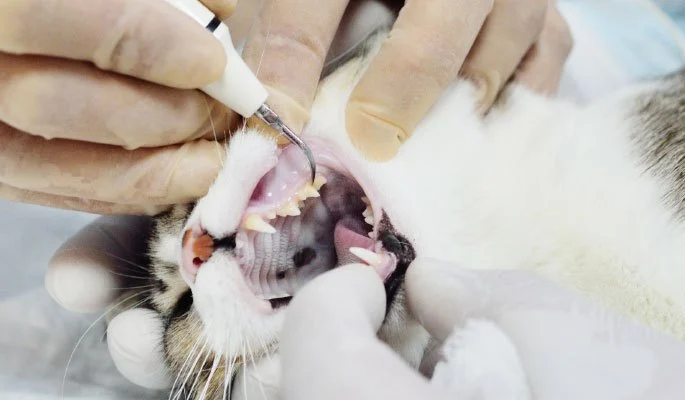
Dental health is crucial to your cat’s overall well-being, but many pet owners overlook the importance of oral hygiene for their feline friends. Just like humans, cats can suffer from dental problems that may affect their quality of life. Regular professional dental cleaning by a veterinarian can help prevent severe dental diseases and maintain your cat's health. In this article, we will explore the signs that indicate your cat may need a dental cleaning, common dental diseases in cats, and how professional dental care can improve their health.
1. Common Signs Your Cat Needs Dental Cleaning
While cats may not always show their discomfort, there are several noticeable signs that can help you identify if your cat needs professional dental cleaning. Early detection and intervention are key to preventing more severe dental problems. Here are some common signs:
1.1 Bad Breath (Halitosis)
One of the first and most common signs of dental problems in cats is bad breath. If your cat’s breath has an unusually strong, foul odor that doesn’t go away after eating or drinking, it could indicate an underlying dental issue such as plaque or tartar buildup, or even gum disease.
1.2 Excessive Drooling or Trouble Eating
Excessive drooling or difficulty eating can also point to dental problems. Cats in pain due to oral issues might not chew properly or may avoid food altogether. If you notice your cat drooling more than usual or struggling to eat their favorite treats, it may be time for a professional dental check-up.
1.3 Pawing at the Mouth or Face
If your cat is constantly pawing at their mouth or face, it could be a sign of oral discomfort. Cats often try to relieve the pain caused by dental problems by rubbing their faces or mouths against furniture or other surfaces.
1.4 Swollen or Bleeding Gums
Gum inflammation, swelling, or bleeding are clear signs that your cat needs dental attention. If you notice any of these symptoms when your cat yawns or eats, it could be a sign of gingivitis, which, if left untreated, can lead to more serious periodontal disease.
2. Common Dental Diseases in Cats
Dental disease in cats is not just about bad breath; it can lead to severe health problems. Here are some common dental diseases that cats may experience:
2.1 Gingivitis
Gingivitis is the earliest stage of gum disease and occurs when plaque builds up along the gum line, causing inflammation. If caught early, gingivitis can often be reversed with proper dental care, but if left untreated, it can progress to more severe conditions.
2.2 Periodontal Disease
Periodontal disease is an advanced stage of gum disease that affects the deeper tissues and bones supporting the teeth. It’s common in older cats and can lead to tooth loss, chronic pain, and infection. Professional dental cleaning can help prevent or manage periodontal disease.
2.3 Tooth Resorption
Tooth resorption is a painful condition in which the cat’s own body breaks down and absorbs the tooth structure. This condition is common in cats and often leads to tooth loss. Regular dental check-ups can help detect early signs of tooth resorption and manage the pain associated with it.
3. How Professional Dental Cleaning Helps
Professional dental cleaning performed by a veterinarian is the most effective way to maintain your cat’s dental health. Unlike at-home brushing, a veterinary dental cleaning thoroughly removes plaque and tartar buildup from areas that are hard to reach. Here’s how it helps:
3.1 Removal of Plaque and Tartar
Veterinarians use special tools to scale the teeth and remove plaque and tartar that accumulate over time. This professional cleaning helps prevent the buildup of harmful bacteria that can lead to gum disease and tooth decay.
3.2 Prevention of Gum Disease
By regularly cleaning your cat’s teeth, a veterinarian can prevent gum disease, which is one of the leading causes of tooth loss in cats. Regular cleanings ensure that the gums stay healthy and free from infection.
3.3 Early Detection of Dental Problems
Veterinary dental cleanings not only improve your cat’s teeth but also provide an opportunity to detect early signs of dental problems like cavities, tooth resorption, and infections. Early intervention can prevent more severe issues from developing.
4. Real-Life Story: How Dental Cleaning Changed My Cat's Life
Take the story of Max, a 7-year-old domestic shorthair cat, whose owner noticed that he was drooling more than usual and had developed foul-smelling breath. Concerned, the owner took Max to the vet, who performed a professional dental cleaning. The vet discovered that Max had moderate tartar buildup and early-stage gingivitis. After the cleaning and treatment, Max’s breath improved, and his overall health was restored. His owner now schedules regular dental cleanings to prevent further issues, keeping Max healthy and happy.
5. Keep Your Cat’s Teeth Healthy
Taking care of your cat’s teeth is an essential part of maintaining their overall health and well-being. Regular professional dental cleanings can prevent painful dental diseases, improve their quality of life, and ensure they live a longer, healthier life. Watch out for the signs that indicate your cat may need dental care, and always consult a professional to address any concerns. For more tips on cat dental care or to find professional dental cleaning services, visit Brothers Pets for expert recommendations and services.






 BluePearl Pet Hospital4.0 (629 reviews)
 Salado Veterinary Hospital & Urgent Care4.0 (395 reviews)
 Aspen Creek Veterinary Hospital (at Pleasant Park)4.0 (215 reviews)
 Desert Rose Aviary5.0 (2 reviews)
 Animal Eye Specialists PC: King Hill Tracey C DVM4.0 (199 reviews)
 Animal Hospital of Rocky Hill3.0 (134 reviews)
 How to Manage Your Pet’s Chronic Pain with Alternative Therapies
 Top 11 Tips for Parasite Prevention in Pets | Safe & Effective Methods
 The Ultimate Guide to Pet Behavior: Understanding and Training Tips
 Top 7 Tips for Pet Vaccination Every Owner Should Know
 How to Spot and Treat Flea Allergic Dermatitis in Pets
 How to Spot and Treat Hot Spots on Dogs Safely and Effectively