
- What is Flea Allergic Dermatitis?
- Symptoms of Flea Allergic Dermatitis in Pets
- How to Diagnose Flea Allergic Dermatitis
- Treating Flea Allergic Dermatitis in Pets
- Preventing Flea Infestations in Your Pet
- Real-Life Example: A Pet Owner's Journey with Flea Allergic Dermatitis
What is Flea Allergic Dermatitis?
Flea allergic dermatitis (FAD) is a common skin condition in pets, particularly dogs and cats, caused by an allergic reaction to flea saliva. When a flea bites a pet, it injects saliva into the skin, which triggers an immune response in sensitive pets. This leads to intense itching, hair loss, and inflamed skin. Flea allergic dermatitis can make life uncomfortable for your pet and, if left untreated, can result in secondary infections and more severe skin issues.
Symptoms of Flea Allergic Dermatitis in Pets
Recognizing the symptoms of flea allergic dermatitis early can help prevent further complications. Common symptoms include:
1. Excessive Scratching and Biting
Pets suffering from flea allergic dermatitis often scratch or bite excessively, especially in areas like the base of the tail, the back, and the neck. This itching can be severe and constant, leading to discomfort.
2. Hair Loss and Bald Patches
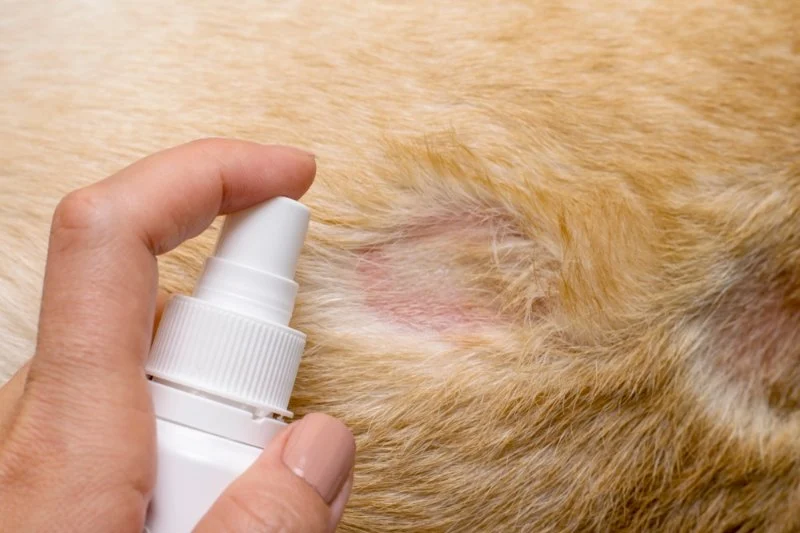
The constant scratching and biting can cause hair to fall out, leaving bald patches on your pet's skin. These areas may become red, inflamed, and irritated due to the pet's efforts to relieve the itching.
3. Red and Inflamed Skin
Flea allergic dermatitis often causes the skin to become red, inflamed, and even scabby. In more severe cases, the skin may become thickened and crusty, indicating ongoing irritation and damage.
4. Hot Spots
In some pets, the constant licking and biting can lead to the development of "hot spots" — localized areas of intense inflammation and infection. These areas may appear as wet, oozing sores.
5. Secondary Infections
Persistent scratching and skin irritation can lead to secondary bacterial or yeast infections. These infections require additional treatment and can complicate the management of flea allergic dermatitis.
How to Diagnose Flea Allergic Dermatitis
If you notice any of the symptoms of flea allergic dermatitis in your pet, it's essential to consult with a veterinarian for a proper diagnosis. Your vet will likely perform a thorough physical examination of your pet’s skin and ask about their history with flea exposure. Diagnostic methods may include:
1. Flea Detection
While it’s not always easy to spot fleas, your vet may look for signs of flea presence, such as flea dirt (feces), eggs, or actual fleas on the pet's fur.
2. Skin Scraping
Your veterinarian may perform a skin scraping to check for infections or other skin conditions that could be contributing to the symptoms.
3. Allergy Testing
If the diagnosis remains unclear, your vet might recommend allergy testing to confirm that fleas are the primary trigger for the dermatitis. This can help rule out other causes of skin problems, such as food allergies or environmental allergens.
Treating Flea Allergic Dermatitis in Pets
Treating flea allergic dermatitis involves managing both the flea infestation and the allergic reaction. Effective treatments include:
1. Flea Control and Prevention
The most important part of treatment is addressing the underlying flea problem. Your vet will recommend flea control products, such as topical treatments, oral medications, or flea collars, to eliminate fleas from your pet and their environment. It's essential to treat all pets in the household and thoroughly clean your home to prevent reinfestation.
2. Medications for Allergies
Your veterinarian may prescribe medications to control the allergic reaction. These can include antihistamines, corticosteroids, or immunosuppressive drugs to reduce inflammation and itching. In severe cases, oral steroids or injections may be necessary to manage the symptoms effectively.
3. Antibiotics and Antifungals
If secondary infections are present, your vet may prescribe antibiotics or antifungal medications to treat these infections. Treating the infection is crucial to prevent further complications and promote healing.
4. Topical Treatments
Topical treatments such as medicated shampoos, sprays, or creams can provide relief from itching and inflammation. These treatments help soothe the skin and promote healing, especially in areas with hair loss or sores.
5. Regular Checkups
After treatment begins, regular vet checkups are essential to ensure that the flea allergic dermatitis is improving and that no new symptoms arise. Your vet may adjust the treatment plan if necessary, depending on your pet’s response.
Preventing Flea Infestations in Your Pet
Once your pet has been treated for flea allergic dermatitis, prevention is key to avoid future flare-ups. Here are some tips to help prevent fleas:
1. Regular Flea Treatment
Consistently apply flea treatments as recommended by your veterinarian. Monthly treatments will keep fleas away and protect your pet from future infestations.
2. Keep Your Home Clean
Regularly vacuum your home, wash your pet’s bedding, and treat your house with flea control products to prevent fleas from laying eggs in your home. Don’t forget to treat outdoor areas where your pet spends time.
3. Keep Your Pet’s Environment Flea-Free
If your pet spends time outside, avoid areas where fleas are common, such as tall grass or wooded areas. Keeping your pet indoors, especially during peak flea seasons, can significantly reduce the risk of exposure.
Real-Life Case: A Pet Owner's Journey with Flea Allergic Dermatitis
Rachel, a dog owner from Arizona, noticed that her dog, Buddy, was constantly scratching and had developed bald patches on his back. After taking him to the vet, Rachel learned that Buddy had flea allergic dermatitis. The vet prescribed flea treatments and medications to manage the inflammation. Rachel followed all the vet’s advice, applying flea control products and keeping Buddy’s environment clean. Within weeks, Buddy’s skin healed, and the itching stopped. Rachel now ensures that Buddy receives regular flea treatments and enjoys a much more comfortable life. This story highlights the importance of timely treatment and consistent flea control in managing flea allergic dermatitis.
For more advice on flea prevention and the best products to treat flea allergic dermatitis, visit Brothers Pets for expert recommendations and products designed to keep your pet healthy and comfortable.





 All Creatures Veterinary Hospital4.0 (321 reviews)
 VIP Petcare Vaccination Clinic0.0 (0 reviews)
 Grace Animal Hospital5.0 (100 reviews)
 Altman Animal Hospital4.0 (122 reviews)
 Platinum Pups Of Miami5.0 (2 reviews)
 North Shore Animal Hospital4.0 (593 reviews)
 What Every Pet Owner Should Know About Pet Fitness: A Complete Guide
 Preventing Tartar, Bad Breath, and Gum Disease in Dogs | Dog Dental Care Tips
 How to Make Your Home Safe for Senior Pets: Practical Tips and Advice
 Top 12 Tips for Pet Grooming Every Pet Owner Should Know | Brothers Pets
 Avoid These Common Pet Safety Mistakes and Keep Your Pet Protected
 How to Manage Pet Stress: Tips for a Calmer Pet