
- 1- Understanding the Recovery Process
- 2- Creating a Recovery Plan for Your Dog
- 3- Post-Surgery Care and Monitoring
- 4- Nutritional Support for a Faster Recovery
- 5- Providing Comfort and Emotional Support
- 6- When to Call the Vet
1- Understanding the Recovery Process
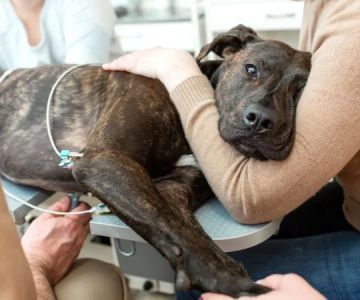
When your dog undergoes surgery, the recovery process is critical to their overall health and well-being. The recovery period varies depending on the type of surgery performed, the dog's age, and their general health. Understanding what to expect can help you better prepare to care for your dog during their recovery.
1.1 Why Recovery Matters
Post-surgery recovery is essential for ensuring that the surgical procedure was successful and that your dog heals properly. Adequate care can prevent complications such as infections, delayed healing, or discomfort. By following a careful recovery plan, you can help your dog recover quickly and with minimal stress.
2- Creating a Recovery Plan for Your Dog
Having a structured recovery plan is essential to ensure your dog heals optimally. Here's how you can create an effective recovery plan:
2.1 Follow Your Veterinarian’s Instructions
Your veterinarian will provide specific instructions based on the surgery your dog had. These may include medication schedules, restrictions on activity, and wound care instructions. Make sure to follow these guidelines to the letter to avoid complications during recovery.
2.2 Prepare a Recovery Space
Set up a quiet, comfortable space for your dog to rest during the recovery period. This area should be away from noise and distractions, providing a calm environment where your dog can relax and recover. Ensure that they have access to food, water, and a comfortable bed during this time.
2.3 Monitor Recovery Progress
Closely monitor your dog’s recovery throughout the process. Keep an eye on their behavior, appetite, and any changes in their activity level. Look for signs of discomfort, such as whining, lethargy, or excessive licking of the surgery site, and consult your vet if necessary.
3- Post-Surgery Care and Monitoring
Post-surgery care is crucial to ensure that your dog heals without complications. Here are the key components of post-surgery care:
3.1 Wound Care
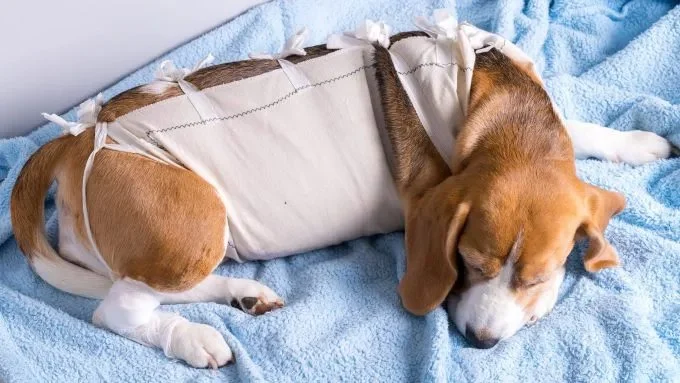
Depending on the type of surgery, your dog may have stitches or a surgical wound that needs to be monitored. Keep the area clean and dry, and prevent your dog from licking or scratching it. Use an Elizabethan collar or a recovery suit if necessary to prevent them from disturbing the wound.
3.2 Medication and Pain Management
Your veterinarian will likely prescribe pain relief medications to keep your dog comfortable. Follow the medication schedule precisely, and don't hesitate to contact your vet if you notice any side effects or if your dog seems to be in pain despite taking the medication.
3.3 Limiting Physical Activity
Physical activity should be limited during the recovery period. Avoid walks, playtime, and jumping until your vet gives you the green light to allow more movement. Limiting activity will prevent strain on the surgical site and support proper healing.
4- Nutritional Support for a Faster Recovery
Proper nutrition plays an essential role in your dog’s recovery. Good nutrition can boost the immune system, support tissue repair, and help your dog regain strength after surgery.
4.1 High-Quality Diet
Feed your dog a high-quality diet that is easy to digest and rich in the necessary nutrients for healing. If your dog has trouble eating after surgery, consider offering soft, moist food to encourage them to eat. Your veterinarian may also recommend specific diets for recovery.
4.2 Hydration
Ensure that your dog has constant access to fresh water to stay hydrated. Dehydration can slow down the healing process, so it's essential to monitor their water intake, especially if they have reduced appetite or are on pain medication.
5- Providing Comfort and Emotional Support
Recovery can be stressful for both you and your dog, so providing emotional support is just as important as physical care.
5.1 Keep Your Dog Calm and Secure
Your dog may feel anxious or confused during the recovery period. Offer reassurance by spending time with them, speaking softly, and keeping them in a quiet space. Comforting touches and familiar items, such as their favorite blanket or toy, can also help them feel safe.
5.2 Avoid Stressful Situations
Avoid introducing any stressful situations to your dog’s environment during recovery. Keep loud noises, unfamiliar people, and other pets away from your dog to help them feel secure and focused on healing.
6- When to Call the Vet
While recovery is often a smooth process, there may be times when you need to contact your veterinarian. Here are some signs that require professional attention:
6.1 Persistent Pain
If your dog seems to be in continuous pain despite the pain medication, it’s important to consult your vet. This may indicate an issue with the healing process or a need for a change in pain management.
6.2 Infection or Complications
If you notice any swelling, redness, or discharge around the surgery site, or if your dog is excessively licking the area, contact your vet immediately. These could be signs of infection or other complications.
6.3 Changes in Behavior
Changes in your dog’s behavior, such as excessive lethargy, loss of appetite, or aggression, could indicate that something is wrong. Always err on the side of caution and contact your vet if you notice anything out of the ordinary.
7- Conclusion
Supporting a dog recovering from surgery requires dedication, attention, and patience. By following the tips outlined in this guide, you can help your dog recover safely and comfortably. Remember to communicate closely with your veterinarian at [Brothers Pets](https://www.brotherspets.com) for professional advice and products to support your dog’s recovery process.


 Sparks Rufus A DVM5.0 (7 reviews)
 Assumption Veterinary Clinic4.0 (200 reviews)
 Alicia Pacific Veterinary Center4.0 (83 reviews)
 Valley Pet & Supply (+Grooming)4.0 (119 reviews)
 Palmer Veterinary Clinic: Mccarter Sarah DVM4.0 (7 reviews)
 Quality Aquatics Pet Shop4.0 (669 reviews)
 Top 13 Tips for Pet Health
 How to Safely Handle Pet Emergencies: A First-Aid Guide
 How to Train Your Pet to Be Comfortable with Veterinary Visits – A Step-by-Step Guide
 Tips for Keeping Indoor Cats Happy and Stimulated
 Understanding Canine Hip Dysplasia and Prevention Methods
 Top 7 Tips for Pet Vaccination Every Owner Should Know