
- 1. Overview of Canine Hip Dysplasia
- 2. Causes of Canine Hip Dysplasia
- 3. Symptoms of Canine Hip Dysplasia
- 4. Prevention Methods for Canine Hip Dysplasia
- 5. Treatment Options for Canine Hip Dysplasia
- 6. Ongoing Care for Dogs with Hip Dysplasia
1. Overview of Canine Hip Dysplasia
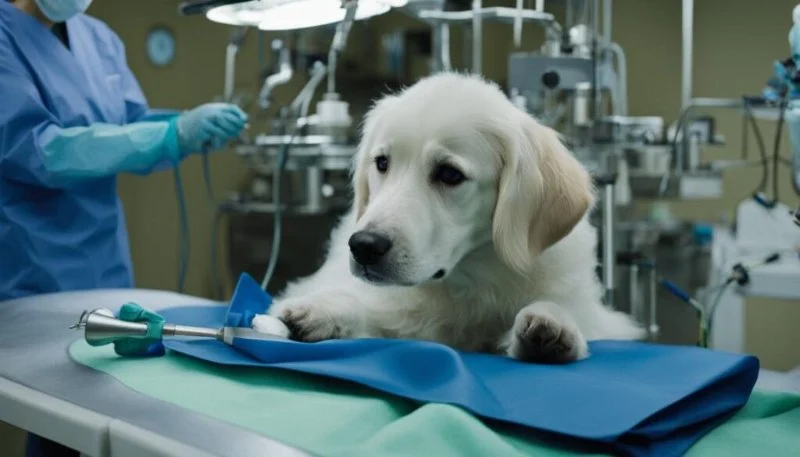
Canine hip dysplasia (CHD) is a genetic condition that affects the hip joint of dogs, particularly larger breeds. It occurs when the ball and socket of the hip joint do not fit together properly, leading to joint instability and eventual arthritis. Hip dysplasia is one of the most common orthopedic conditions in dogs, especially in breeds such as Labrador Retrievers, German Shepherds, and Golden Retrievers.
The condition can vary in severity, with some dogs showing only mild discomfort and others experiencing significant pain and mobility issues. Early diagnosis and intervention are key to managing the condition effectively.
2. Causes of Canine Hip Dysplasia
The primary cause of canine hip dysplasia is genetics. However, several environmental and developmental factors can exacerbate the condition:
- Genetic Factors: Hip dysplasia is an inherited trait, meaning it is passed down from parent dogs to their offspring. Breeding practices play a significant role in managing the prevalence of this condition.
- Rapid Growth: Puppies that grow too quickly or are overfed may be more likely to develop hip dysplasia, especially large-breed dogs.
- Obesity: Excess weight puts additional strain on a dog's joints, increasing the likelihood of developing joint issues like hip dysplasia.
- Injury: Trauma or injury to the hip joint, especially during early development, can increase the risk of dysplasia.
3. Symptoms of Canine Hip Dysplasia
Symptoms of hip dysplasia can range from mild to severe and often become more noticeable as the dog ages. Common signs to watch for include:
- Difficulty Standing Up or Walking: Dogs with hip dysplasia may struggle to get up from lying down or may limp when walking, especially after resting.
- Pain or Stiffness: If your dog shows signs of discomfort, such as whining when touched or reluctance to move, this may indicate hip issues.
- Difficulty Jumping or Climbing Stairs: Affected dogs often have trouble jumping onto furniture or climbing stairs due to the instability of their hip joint.
- Waddling Walk: Dogs with hip dysplasia may develop an abnormal gait, characterized by a swaying or waddling motion as they walk.
4. Prevention Methods for Canine Hip Dysplasia
While genetics play the most significant role in the development of hip dysplasia, there are several measures pet owners can take to minimize the risk of this condition:
- Responsible Breeding: Always choose a reputable breeder who tests for hip dysplasia in their breeding dogs. This helps ensure that the genetic predisposition to the condition is minimized.
- Maintain a Healthy Weight: Keeping your dog at a healthy weight reduces the stress on their joints and lowers the risk of developing hip dysplasia and other joint-related problems.
- Exercise Regularly: Controlled, low-impact exercise can help strengthen the muscles around the hip joint and improve mobility. Activities like swimming are excellent for dogs with joint issues.
- Avoid Overfeeding: Ensure your dog receives the appropriate amount of food for their breed and age. Overfeeding puppies can lead to rapid growth, increasing the risk of hip dysplasia.
5. Treatment Options for Canine Hip Dysplasia
Treatment for hip dysplasia in dogs depends on the severity of the condition and the age of the dog. Options include:
- Medication: Nonsteroidal anti-inflammatory drugs (NSAIDs) and pain relief medications can help manage discomfort and inflammation.
- Physical Therapy: Physiotherapy techniques, such as hydrotherapy, can help improve mobility and reduce pain for dogs with hip dysplasia.
- Surgery: In severe cases, surgery may be necessary. Options include hip replacement surgery or a procedure called a femoral head ostectomy (FHO) to improve joint function and reduce pain.
6. Ongoing Care for Dogs with Hip Dysplasia
Ongoing care for dogs with hip dysplasia includes:
- Weight Management: Keep your dog at a healthy weight to minimize stress on the hip joints.
- Regular Checkups: Regular vet checkups will help monitor your dog's condition and make adjustments to the treatment plan as needed.
- Supplements: Joint supplements containing glucosamine and chondroitin can help support cartilage health and reduce symptoms of hip dysplasia.




 PetVet Vaccination Clinic0.0 (0 reviews)
 Northwest Austin Veterinary: Boston Billie DVM5.0 (1 reviews)
 Woof Gang Bakery & Grooming Waterford Lakes4.0 (513 reviews)
 Good Neighbor Vet0.0 (0 reviews)
 Riversong Veterinary Clinic4.0 (42 reviews)
 Heritage Animal Hospital LTD4.0 (222 reviews)
 Expert Advice on Pet Vaccination: What Every Pet Owner Should Know
 How to Recognize and Treat Anemia in Pets
 How to Prevent and Treat Skin Dryness and Itchiness in Pets
 How to Choose the Right Dog Breeder for a Healthy Pet
 Tips for Maintaining Proper Hydration in Dogs: Essential Care for Your Pet
 The Ultimate Guide to Pet Behavior: Understanding and Training Tips