
- why-pet-vaccination-matters-more-than-you-think
- core-vs-non-core-vaccines-what-your-pet-really-needs
- when-to-start-and-how-to-maintain-a-vaccine-schedule
- real-stories-that-highlight-the-importance-of-vaccines
- how-to-make-the-right-choices-for-your-pets-health
1. Why Pet Vaccination Matters More Than You Think
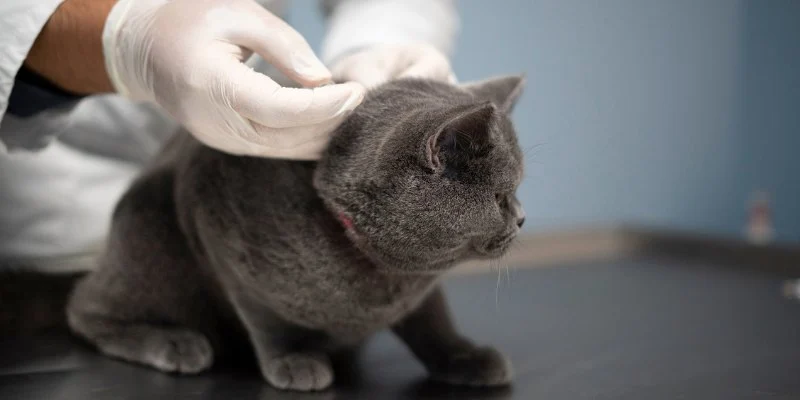
Pet vaccination isn’t just about preventing illness in your furry companion—it’s about protecting your community, too. According to veterinary experts, vaccines help control the spread of contagious diseases such as rabies, parvovirus, and distemper, which can be deadly if untreated.
Vaccines work by stimulating your pet’s immune system to recognize and fight pathogens before they can cause illness. In a state like California, where pet-friendly environments and public spaces are common, the risk of exposure to pathogens is much higher—making regular vaccination not just a recommendation, but a responsibility.
At Brothers Pets, we believe in proactive pet care. Vaccination is a foundational step that can save you stress, money, and heartbreak down the line.
2. Core vs. Non-Core Vaccines: What Your Pet Really Needs
Not all vaccines are created equal. Veterinarians typically divide them into two categories: core and non-core vaccines.
Core Vaccines
These are essential for all pets regardless of location or lifestyle. For dogs, they typically include rabies, canine distemper, parvovirus, and adenovirus. For cats, rabies, feline distemper, and feline calicivirus are standard. Core vaccines provide baseline protection from the most dangerous and widespread diseases.
Non-Core Vaccines
These are based on individual risk factors such as geography, lifestyle, or exposure to other animals. For example, a dog who regularly visits dog parks might need a Bordetella vaccine to protect against kennel cough. Cats who go outdoors may benefit from feline leukemia vaccines.
Consulting a licensed vet is essential when determining your pet’s vaccine needs. You can also find helpful tools and resources through Brothers Pets to assist in your decision-making process.
3. When to Start and How to Maintain a Vaccine Schedule
Timing is everything when it comes to pet vaccination. Puppies and kittens usually start receiving vaccines as early as 6–8 weeks old. Booster shots follow every 3–4 weeks until they’re around 16 weeks. After that, they’ll need regular boosters to maintain immunity.
Missing vaccine windows can leave your pet vulnerable. Many adult pets require annual boosters or three-year interval vaccines depending on the type. Veterinarians often create personalized vaccine calendars to help owners stay on track.
Using a digital pet care tracker or subscribing to reminders from your veterinary clinic—or platforms like Brothers Pets—can help you stay organized and ensure your pet is protected year-round.
4. Real Stories That Highlight the Importance of Vaccines
Take the story of Maya, a golden retriever from San Diego. Her owners initially delayed getting her parvovirus shot, thinking she was too young. After a visit to a beach park, Maya fell ill within 48 hours and was hospitalized for five days. The emotional and financial toll was overwhelming, but thankfully she survived.
Contrast that with Oliver, a rescue tabby from Sacramento. He came fully vaccinated through a local shelter and transitioned seamlessly into his new home, showing no signs of illness despite living with two older cats. His story is a testament to how preventive care protects both individual pets and multi-pet households.
These aren’t just anecdotes—they’re real examples that show why timely vaccinations can be life-saving. Our team at Brothers Pets often hears similar stories from pet owners who either avoided or embraced proactive care.
5. How to Make the Right Choices for Your Pet’s Health
Every pet is different. Factors like age, breed, health history, and environment should guide your vaccination decisions. If your pet has an autoimmune condition or allergy, your vet may adjust the schedule accordingly.
It’s also important to balance protection with safety. Always ask your vet about vaccine side effects and monitor your pet after each injection. Minor symptoms like sleepiness or mild swelling are common, but anything unusual should be addressed immediately.
If you’re looking for guidance on trusted vets, vaccination packages, or aftercare products, Brothers Pets provides curated recommendations and access to some of the most pet-trusted brands and clinics in your region.
Ultimately, staying informed and proactive is the best way to protect your pet—and give them the long, healthy life they deserve.




 Best Puppies For Sale4.0 (96 reviews)
 Pet Assistance, Inc.2.0 (7 reviews)
 The Animal Clinic, P.S.C.4.0 (407 reviews)
 River Mill Animal Hospital - Dr. Tammie Hodge4.0 (114 reviews)
 Dr. Terry L Hills DVM5.0 (4 reviews)
 South County Animal Hospital, A Thrive Pet Healthcare Partner4.0 (145 reviews)
 Raw Food Diets for Pets: Pros, Cons, and Veterinary Opinions
 How to Spot and Treat Liver Disease in Cats and Dogs: A Complete Guide
 How to Spot Symptoms of Food Allergies in Cats: A Guide for Pet Owners
 How to Choose the Right Vet for Your Pet's Specific Needs
 Best Dog Breeds for Active Families with Kids: Top Choices for Fun and Play
 How to Spot Early Signs of Cancer in Pets and What to Do Next