
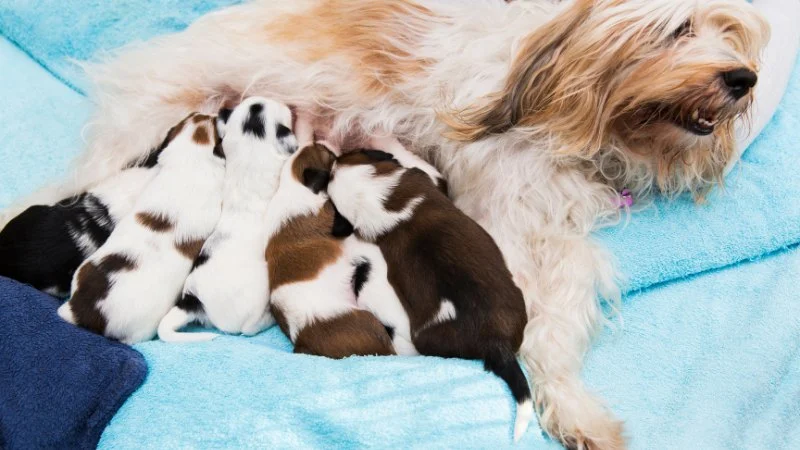
How to Choose the Right Dog Breeder for a Healthy Pet
- 1. The Importance of Choosing the Right Breeder
- 2. Questions to Ask a Breeder Before You Buy
- 3. What to Look for in a Reputable Breeder
- 4. Signs of a Responsible Dog Breeder
- 5. Final Tips for Selecting the Right Dog Breeder
1. The Importance of Choosing the Right Breeder
Choosing the right dog breeder is one of the most important decisions you will make when bringing a new dog into your life. A responsible and ethical breeder plays a crucial role in ensuring the health and well-being of your future pet. The right breeder will not only focus on the dog's physical health but will also consider temperament, socialization, and overall welfare.
Purchasing a dog from a reputable breeder reduces the risk of health problems, genetic issues, and behavioral problems down the line. Moreover, a good breeder ensures that you’re adopting from a healthy bloodline and that the dog has been well taken care of from the moment it’s born.
2. Questions to Ask a Breeder Before You Buy
Before deciding on a dog breeder, it's essential to ask the right questions. Here are some questions to ask when speaking with potential breeders:
- Can I meet the puppy’s parents? Meeting the parents will give you an insight into the temperament and behavior of the breed.
- What health tests have been done on the parents? A responsible breeder will have health checks and tests done to ensure the puppies are born healthy.
- Can I see the puppy’s medical records? Reputable breeders will keep detailed records of vaccinations, deworming, and any other health treatments.
- Do you provide a health guarantee? Ask about the breeder’s health guarantees for your puppy. A good breeder should offer some form of health protection in case you find issues later.
- How do you socialize the puppies? Socialization is key for a well-adjusted dog. Find out what steps the breeder takes to expose the puppies to new people, environments, and situations.
3. What to Look for in a Reputable Breeder
When looking for a reputable breeder, there are several traits to look for:
- Transparency: A reputable breeder should be open about the breeding process, their dogs’ health, and their breeding practices. They should be willing to answer all your questions.
- Clean and Safe Environment: The breeding facility should be clean, well-maintained, and have enough space for the dogs to live comfortably. Puppies should be raised in a nurturing environment.
- Experience and Knowledge: Look for breeders who are knowledgeable about the breed and can explain their breeding decisions clearly. They should be able to guide you on how to care for the breed.
- Positive Reviews: Check for reviews from previous customers or visit online forums and ask about their experiences with the breeder.
4. Signs of a Responsible Dog Breeder
Recognizing a responsible dog breeder is key to ensuring you get a healthy, well-adjusted pet. Some signs of a responsible breeder include:
- Limited Litters: A responsible breeder does not have constant litters. They breed only a few litters a year to focus on quality over quantity.
- Health Testing: A good breeder will perform health testing for common genetic conditions in the breed, such as hip dysplasia, heart problems, and other hereditary diseases.
- Non-Profit Motive: A responsible breeder will not be breeding dogs for profit. Their main concern is the welfare of the dogs and the puppies they produce.
- Willingness to Take Back the Dog: A reputable breeder will be willing to take the dog back if for any reason the adoption doesn’t work out, showing a long-term commitment to the pet’s well-being.
5. Final Tips for Selecting the Right Dog Breeder
When choosing a dog breeder, take your time and ensure that you are making an informed decision. Here are some final tips to keep in mind:
- Visit the Facility: Always visit the breeder’s facility before committing to buying a dog. This gives you a chance to see the environment where the dog was raised and meet the breeder in person.
- Trust Your Gut: If something feels off about the breeder or the situation, it’s okay to walk away. Your intuition is an important tool in finding the right breeder.
- Choose Based on Health, Not Appearance: Don’t let yourself be swayed by a dog’s appearance alone. Prioritize health, temperament, and genetic health over looks or pedigree.
If you’re still unsure or want to explore options for your new furry friend, visit Brothers Pets for a list of trusted breeders, supplies, and more tips on raising a healthy dog.





 Academy Animal Hospital4.0 (453 reviews)
 PetVet Vaccination Clinic5.0 (2 reviews)
 Great Lakes Veterinary Behavior Consultants3.0 (7 reviews)
 Animal Medical Center4.0 (353 reviews)
 Cloverleaf Animal Hospital4.0 (194 reviews)
 Brookview Animal Health Center4.0 (260 reviews)
 How to Choose the Right Pet Boarding Facility - A Complete Owner’s Guide
 How to Safely Clean Your Pet’s Ears and Prevent Infections: A Step-by-Step Guide
 How to Recognize and Treat Common Pet Injuries - Expert Guide
 Expert Advice on Emergency Pet Care Every Owner Should Know
 Ways to Keep Your Dog Entertained When Home Alone
 How to Provide Safe and Effective Flea Treatment for Your Pet" — Optimized for the target audience and search engines.