
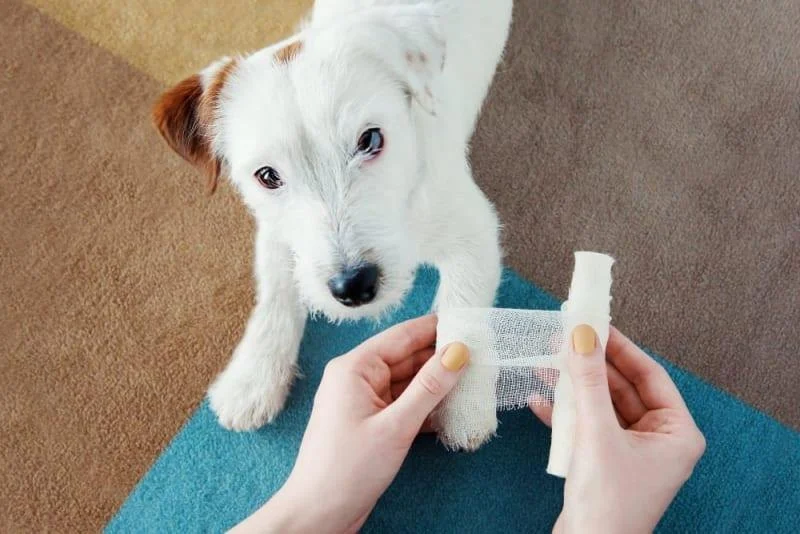
How to Recognize and Treat Common Pet Injuries
- 1. Types of Common Pet Injuries
- 2. How to Recognize Pet Injuries
- 3. First Aid for Pets: Immediate Care Tips
- 4. When to See the Vet
- 5. Preventing Common Pet Injuries
1. Types of Common Pet Injuries
Pets, especially active dogs and cats, are prone to various injuries. These can range from mild scratches to more serious fractures or strains. Common injuries include:
- Scrapes and Cuts: These are typical, especially for outdoor pets or those that like to explore their environment.
- Sprains and Strains: These injuries occur when pets overstretch or twist their limbs, typically during play or sudden movements.
- Fractures: Bone breaks can occur during falls, accidents, or rough play, especially in energetic dogs.
- Joint Injuries: Dislocations or strains in the joints, such as the hip or knee, are more common in older pets.
- Internal Injuries: Pets involved in accidents may suffer from internal injuries that are not immediately visible.
2. How to Recognize Pet Injuries
Recognizing when your pet is injured is crucial for prompt care. Here’s how to spot common signs:
- Limping: If your pet is limping or favoring one leg, it may indicate a sprain, strain, or fracture.
- Excessive Licking or Biting: Pets often lick or bite at injured areas, especially cuts or sprains, in an attempt to self-soothe.
- Changes in Behavior: If your pet becomes more withdrawn, aggressive, or lethargic, it could be a sign of pain or discomfort.
- Visible Wounds: Cuts, scrapes, or swelling around joints and bones are obvious signs that your pet may have suffered an injury.
- Difficulty Breathing or Bleeding: If your pet is struggling to breathe or has severe bleeding, it's critical to seek immediate veterinary care.
3. First Aid for Pets: Immediate Care Tips
Providing basic first aid can make a huge difference in your pet’s recovery. Here are some steps to follow:
- Clean the Wound: For minor cuts and scrapes, gently clean the wound with lukewarm water and a mild antiseptic.
- Apply Pressure to Stop Bleeding: If your pet is bleeding, apply gentle pressure with a clean cloth to help stop the bleeding.
- Use Ice for Swelling: Applying ice wrapped in a cloth to a swollen area can reduce inflammation and help with pain relief.
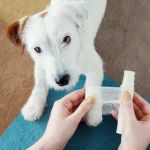
- Immobilize Injured Limbs: For fractures or sprains, try to stabilize the injured limb with a splint or by gently wrapping it in cloth to reduce further damage.
- Monitor for Shock: Keep an eye on your pet’s breathing and heart rate. If they seem disoriented or weak, they could be in shock, and you should transport them to the vet immediately.
4. When to See the Vet
While some injuries can be treated at home, there are times when a visit to the vet is necessary. Seek veterinary attention if:
- The injury is severe, such as a deep wound, broken bone, or severe laceration.
- Your pet is bleeding heavily or unable to stop bleeding after pressure is applied.
- You notice signs of shock or unconsciousness.
- Your pet shows signs of internal injury, such as labored breathing or difficulty walking.
- The injury does not improve or seems to worsen over time.
5. Preventing Common Pet Injuries
Preventing injuries in pets is often possible with some proactive care. Here are a few tips:
- Safe Play: Always supervise your pet during play, especially if they are prone to roughhousing. Avoid risky activities like jumping off high ledges.
- Proper Exercise: Regular exercise helps keep your pet’s muscles and joints strong and less prone to injury. Make sure the exercise is suitable for their age and breed.
- Pet-Proof Your Home: Remove hazards like sharp objects, slippery floors, and heavy furniture that could fall on your pet.
- Proper Diet: Ensure your pet’s diet includes nutrients that support bone and joint health to reduce the risk of fractures or strains.




 Academy Animal Hospital4.0 (453 reviews)
 PetVet Vaccination Clinic5.0 (2 reviews)
 Great Lakes Veterinary Behavior Consultants3.0 (7 reviews)
 Animal Medical Center4.0 (353 reviews)
 Cloverleaf Animal Hospital4.0 (194 reviews)
 Brookview Animal Health Center4.0 (260 reviews)
 How to Choose the Right Pet Boarding Facility - A Complete Owner’s Guide
 How to Safely Clean Your Pet’s Ears and Prevent Infections: A Step-by-Step Guide
 How to Recognize and Treat Common Pet Injuries - Expert Guide
 Expert Advice on Emergency Pet Care Every Owner Should Know
 Ways to Keep Your Dog Entertained When Home Alone
 How to Provide Safe and Effective Flea Treatment for Your Pet" — Optimized for the target audience and search engines.