
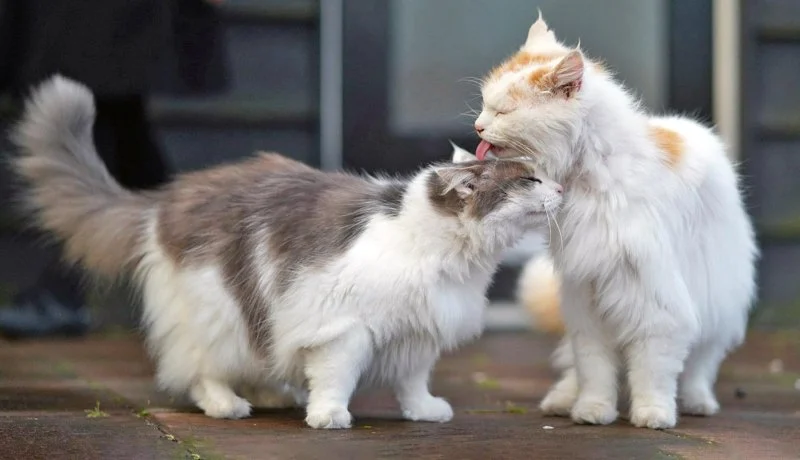
- 1-Understanding Cat Socialization
- 2-Why Socializing Your Cat is Important
- 3-How to Socialize Your Cat Without Stress
- 4-Common Challenges in Cat Socialization
- 5-Tips for Socializing Kittens
- 6-How to Handle Difficult Cats
- 7-Recommendations from Brothers Pets
1. Understanding Cat Socialization
Socializing a cat involves exposing them to various environments, people, and other animals in a positive and controlled manner. Proper socialization helps cats become well-adjusted, confident, and comfortable in different situations. While cats are naturally independent creatures, socialization can significantly improve their behavior and reduce stress. It’s essential to understand that socializing a cat takes time, patience, and the right approach.
Cat socialization starts early in their life and continues throughout their adulthood. However, even adult cats can be socialized with the proper techniques. Socializing a cat can reduce their fear, aggression, and anxiety, making them more adaptable and open to new experiences.
2. Why Socializing Your Cat is Important
Socializing your cat is vital for their well-being. Cats that are not properly socialized may become fearful, aggressive, or overly anxious, especially when exposed to new situations or people. They may also develop behavioral issues such as scratching, hiding, or biting.
Some key benefits of socializing your cat include:
- Improved Behavior: A well-socialized cat is more likely to be calm and friendly around humans and other animals.
- Increased Confidence: Cats that are exposed to a variety of experiences become more confident in unfamiliar situations.
- Better Adaptation to Change: Socialized cats adjust better to changes in their environment, such as moving to a new home or meeting new pets.
3. How to Socialize Your Cat Without Stress
Socializing a cat doesn’t have to be stressful for either you or your pet. The goal is to introduce your cat to new experiences gradually, in a safe and positive manner. Here are some effective methods to socialize your cat without causing stress:
Start Slow and Be Patient
Don’t rush the process. Introduce new experiences, people, and animals slowly. Allow your cat to approach situations at their own pace. Forcing a cat into a stressful encounter can lead to fear and anxiety, which could make them more reluctant to socialize in the future.
Positive Reinforcement
Use positive reinforcement techniques, such as treats, praise, and playtime, to reward your cat when they exhibit positive behavior. This helps them associate new experiences with rewards, making socialization a more enjoyable experience.
Gradual Exposure to New People and Pets
If you have a shy or fearful cat, gradually expose them to new people and pets. Start by allowing them to observe from a distance and slowly decrease the distance over time. Make sure that both your cat and the new people or pets are calm and relaxed during these encounters.
Socialize in a Calm Environment
Create a calm and controlled environment for socialization. Avoid overwhelming your cat with too many new experiences at once. A quiet, safe space will help your cat feel secure and more open to new interactions.
Respect Your Cat’s Boundaries
Every cat has their own comfort zone. If your cat is showing signs of stress, such as hissing, growling, or hiding, give them space. Allow them to retreat to a safe spot if needed, and let them come back when they feel ready. Respecting their boundaries is key to successful socialization.
4. Common Challenges in Cat Socialization
Socializing a cat can come with its challenges, especially if your cat has had limited exposure to people or other animals. Some common challenges include:
- Fear of New People: Cats that have not been exposed to humans early on may be fearful of strangers. Gradual, positive introductions can help overcome this fear.
- Aggression Toward Other Pets: Cats that are not used to other animals may show signs of aggression. Slowly introducing them to other pets, using scent swapping, and supervised encounters can help ease the process.
- Overwhelming Sensory Input: Some cats are sensitive to new smells, sounds, and environments. Creating a calm space and using pheromone diffusers can help reduce stress and make the experience more comfortable.
5. Tips for Socializing Kittens
Socializing kittens is generally easier than socializing adult cats, but it still requires patience and care. Here are some tips for socializing kittens:
- Start Early: The earlier you start socializing your kitten, the better. Kittens are more adaptable to new experiences in their early weeks of life.
- Introduce Different Environments: Expose kittens to a variety of environments, such as different rooms, sounds, and smells, to help them become comfortable with new experiences.
- Handle Gently: Gently handling kittens from a young age helps them become accustomed to human touch, which is essential for socialization.
6. How to Handle Difficult Cats
Some cats may be more difficult to socialize due to their temperament, past experiences, or lack of exposure to new environments. If you’re dealing with a difficult cat, consider the following strategies:
- Consult a Professional: A professional animal behaviorist or trainer can offer personalized advice and techniques for handling difficult cats.
- Use Feliway Diffusers: Feliway diffusers release calming pheromones that can help reduce stress in cats, making the socialization process smoother.
- Gradual Desensitization: If your cat is fearful of a specific object or situation, use gradual desensitization techniques to help them become more comfortable over time.
7. Recommendations from Brothers Pets
At Brothers Pets, we understand that socializing your cat can be a challenging but rewarding process. We offer a wide range of products designed to make the socialization process smoother for both you and your cat, including calming pheromone diffusers, interactive toys, and grooming tools. Visit our website for expert advice and product recommendations to help your cat become a well-socialized companion.






 PAWsitively Sweet Bakery0.0 (0 reviews)
 Top Dog Pet Store Riverside4.0 (26 reviews)
 Sheehan Veterinary Centre4.0 (208 reviews)
 All The Best Pet Care - Issaquah4.0 (226 reviews)
 Dry Creek Animal Hospital4.0 (33 reviews)
 Veterinary Clinic (Gateway Pet Guardians)0.0 (0 reviews)
 How to Prepare Your Dog for a Vet Visit Stress-Free
 How to Spot and Treat Hip Dysplasia in Dogs: A Complete Guide
 How to Spot Early Signs of Cancer in Pets and What to Do Next
 The Ultimate Guide to Veterinary Advice
 Traveling with Pets: Tips for a Safe and Comfortable Journey
 How to Manage Your Pet’s Anxiety During Vet Visits