
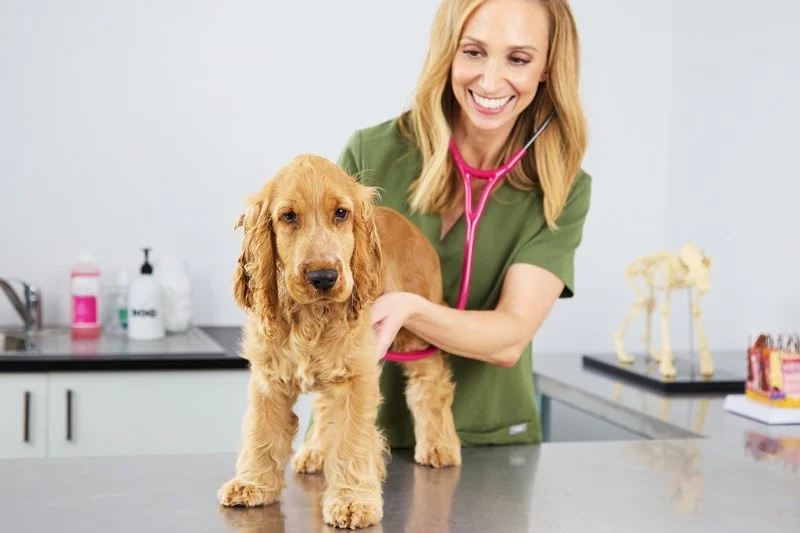
How to Prepare Your Dog for a Vet Visit Stress-Free
- 1- Why Vet Visits Can Be Stressful for Dogs
- 2- How to Help Your Dog Feel Comfortable Before a Vet Visit
- 3- Tips for Reducing Stress During the Visit
- 4- Post-Vet Visit Care to Ease Stress
- 5- Real-Life Case Study: Preparing a Dog for a Vet Visit
1. Why Vet Visits Can Be Stressful for Dogs
Vet visits can be a source of stress for many dogs, and for some, it might be an overwhelming experience. The unfamiliar smells, new environment, strange people, and even the car ride can trigger anxiety in your dog. Whether it's for a routine check-up or a more involved procedure, the vet visit can stir up fear and discomfort for pets who are not used to these settings.
Stress during vet visits is quite common, especially for dogs that have had negative past experiences or are not well-socialized. As a responsible pet owner, it’s important to understand why vet visits are stressful for dogs and take steps to minimize their anxiety. In this article, we'll discuss various strategies you can use to help your dog feel more comfortable and less stressed before, during, and after a vet visit.
2. How to Help Your Dog Feel Comfortable Before a Vet Visit
Preparing your dog for a vet visit ahead of time can make a significant difference in their experience. Here are some effective ways to help your dog feel more at ease before the appointment:
- Get Your Dog Used to the Car: If your dog gets anxious during car rides, take them on short, positive trips before the vet visit. This could be a fun trip to the park or a simple drive around the block. Associating car rides with positive experiences can reduce their stress.
- Visit the Vet Clinic Beforehand: Bring your dog to the clinic for casual visits, even when they don’t have an appointment. Let them explore the environment and get familiar with the sounds and smells. This can help them associate the clinic with positive experiences, reducing anxiety when it’s time for the actual visit.
- Practice Handling and Grooming: Many dogs get anxious when touched in unfamiliar ways. Practice touching your dog’s paws, ears, and mouth at home so they’re comfortable when the vet needs to do the same. Regular grooming and handling can also make the experience smoother.
- Use Calming Products: Consider using calming sprays, pheromone diffusers, or calming collars that can help reduce anxiety. These products often contain natural ingredients that help soothe your dog before a stressful situation.
By preparing your dog ahead of time, you can help them feel more confident and calm when it’s time to visit the vet.
3. Tips for Reducing Stress During the Visit
When the day of the vet visit arrives, there are several things you can do to ensure that your dog remains as calm as possible during the appointment:
- Stay Calm Yourself: Dogs can pick up on their owner’s emotions. If you’re anxious or stressed, your dog is likely to feel the same way. Stay calm, speak in a soothing voice, and try to remain relaxed to help ease your dog’s nerves.
- Bring Your Dog’s Favorite Item: Bring along a familiar item, like their favorite blanket or toy, to comfort them during the visit. Having something familiar can help them feel more secure in a strange environment.
- Request a Quiet Waiting Area: If your dog is particularly nervous around other animals, ask the vet if they have a quiet area where you can wait. This can minimize your dog’s exposure to other stressed animals and help keep them more relaxed.
- Be Gentle and Reassuring: During the visit, continue offering gentle words of reassurance. Keep your dog’s body relaxed and avoid pulling or tugging them if they show signs of fear. If possible, stay with your dog throughout the exam to comfort them.
By using these strategies during the visit, you can reduce your dog’s stress levels and make the experience more pleasant for both of you.
4. Post-Vet Visit Care to Ease Stress
Once the vet visit is over, it’s important to continue supporting your dog’s emotional recovery. Here’s what you can do after the appointment:
- Offer Positive Reinforcement: After the visit, reward your dog with praise, treats, or their favorite activity. This creates positive associations with the experience and helps reduce future anxiety.
- Provide a Calm Environment: Let your dog rest in a quiet, comfortable space after the visit. Avoid overwhelming them with too much activity or stimulation right away.
- Monitor for Signs of Stress: Some dogs may show signs of lingering anxiety after a vet visit, such as excessive drooling, shaking, or hiding. Keep an eye on your dog and offer extra comfort during the recovery period.
By continuing to care for your dog’s emotional needs after the visit, you can help them recover quickly and prevent lasting stress from affecting their health.
5. Real-Life Case Study: Preparing a Dog for a Vet Visit
Take the example of Max, a Golden Retriever who was always nervous about vet visits. His owner, Lisa, started preparing him for the visit by taking him on short car rides and allowing him to explore the vet’s office before his appointment. She also introduced Max to calming pheromone sprays that she applied to his collar before the visit.
On the day of the appointment, Lisa kept calm and reassured Max throughout the visit, and she brought his favorite blanket for comfort. The vet visit went smoothly, and Max was much calmer than usual. Lisa found that the preparation not only made the visit less stressful for Max but also helped him recover quickly afterward with minimal anxiety.
Max’s story is a great example of how preparation, patience, and the right products can significantly reduce your dog’s stress during a vet visit.




 Town & Country Animal Hospital4.0 (507 reviews)
 Highway 30 Veterinary Clinic4.0 (250 reviews)
 Fairmount Pet Shoppe4.0 (187 reviews)
 Belmont Animal Hospital4.0 (102 reviews)
 VEG ER for Pets4.0 (706 reviews)
 Aiken Veterinary Clinic4.0 (476 reviews)
 Pet Diseases: What Vets Want You to Know
 The Dos and Don'ts of Pet Behavior: Expert Tips for Training and Bonding
 How to Deal with Pet Allergies in a Multi-Pet Household
 The Ultimate Guide to Veterinary Advice
 How to Choose the Right Pet Carrier for Safe Travel
 Common Allergy Symptoms in Dogs and How to Manage Them