
- 1 - understanding-the-most-common-pet-diseases
- 2 - what-vets-want-you-to-know-about-prevention
- 3 - the-dangers-of-self-diagnosis-and-google-searches
- 4 - warning-signs-you-should-never-ignore
- 5 - the-role-of-regular-checkups-in-early-detection
- 6 - case-study-when-a-routine-visit-saved-a-life
- 7 - why-nutrition-and-hygiene-matter-more-than-you-think
- 8 - how-brothers-pets-helps-you-care-smarter
1. Understanding the Most Common Pet Diseases
Many pet owners are surprised to learn how frequently preventable diseases affect pets. From skin infections to chronic conditions like diabetes and arthritis, early knowledge makes a difference. For example, feline upper respiratory infections and canine parvovirus are among the most commonly treated illnesses at clinics—and both can escalate if overlooked.
2. What Vets Want You to Know About Prevention
Ask any vet, and they’ll emphasize this: prevention is better than treatment. Vaccinations, flea and tick control, dental care, and even behavioral health are all part of the wellness puzzle. A well-informed owner is the first line of defense, especially in multi-pet households where contagious conditions spread fast.
3. The Dangers of Self-Diagnosis and Google Searches
Vets consistently warn against relying solely on online forums or search engines to identify your pet’s illness. While it’s natural to research symptoms, misinterpreting them could delay care. For instance, vomiting could be minor indigestion—or an early sign of organ failure. Always consult a professional when in doubt.
4. Warning Signs You Should Never Ignore
Some symptoms should immediately trigger a vet visit. These include sudden loss of appetite, unexplained weight loss, bloody stool, seizures, or labored breathing. One vet shared a case where a dog’s subtle limping turned out to be a tumor pressing against a nerve. Awareness can literally save a life.
5. The Role of Regular Checkups in Early Detection
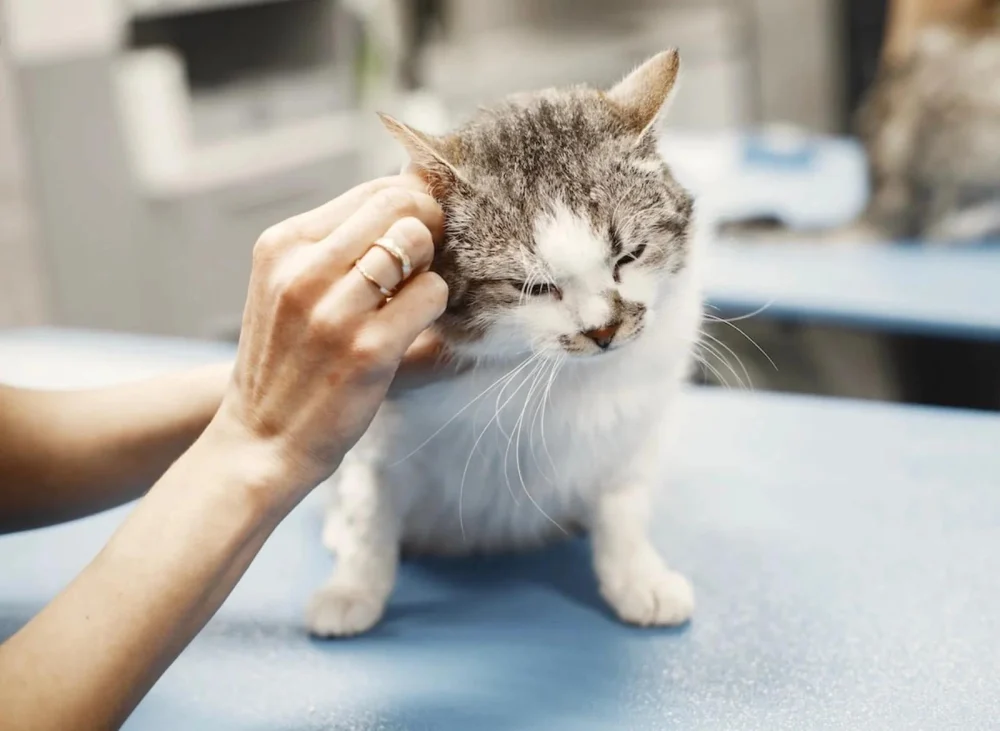
Just like humans, pets benefit from routine health exams. These appointments help detect problems before symptoms appear. Vets often discover heart murmurs, dental decay, or even tumors during a standard wellness check. If cost is a concern, many clinics offer affordable annual plans that can make regular visits manageable.
6. Case Study: When a Routine Visit Saved a Life
A cat named Lila was brought in for her yearly exam at a Brothers Pets partner clinic. The vet noticed subtle signs of kidney distress. After further testing, early-stage renal disease was diagnosed—allowing for immediate dietary changes and medication. Three years later, Lila is thriving. Without that checkup, her story could’ve ended differently.
7. Why Nutrition and Hygiene Matter More Than You Think
Disease prevention isn’t just about shots and pills. It’s also about the basics: proper nutrition, clean water, and a sanitary environment. A poor diet can weaken your pet’s immune system, making them more susceptible to disease. Similarly, dirty litter boxes or bowls can harbor harmful bacteria. Daily habits matter more than most pet owners realize.
8. How Brothers Pets Helps You Care Smarter
Brothers Pets provides everything from vet-recommended supplements to quality grooming tools and wellness services. Whether you're caring for a kitten, senior dog, or exotic pet, our platform helps you shop and act smarter. Health starts at home, and we’re here to support your journey every step of the way.




 Country View Vet Service4.0 (55 reviews)
 Rocky Knoll Large Animal Veterinary Services4.0 (7 reviews)
 Fishtown Animal Hospital4.0 (292 reviews)
 Chuck & Don's Pet Food & Supplies4.0 (442 reviews)
 Dr. Steve Pirkey4.0 (9 reviews)
 Gravel Springs Animal Hospital4.0 (170 reviews)
 Safe Hiking Tips for Dogs and Their Owners - Enjoy Outdoor Adventures Together
 Safe and Effective Diet Plans for Overweight Dogs Recommended by Veterinarians | Brothers Pets
 How to Spot and Treat Dehydration in Pets | Brothers Pets
 Why Regular Vet Visits Are Crucial Even for Healthy Pets
 Top 11 Tips for Pet Adoption: What Every New Owner Should Know
 How to Spot and Treat Hot Spots on Dogs: A Complete Guide