
How to Spot and Treat Hot Spots on Dogs: A Complete Guide
- 1. What Are Hot Spots on Dogs?
- 2. How to Spot Hot Spots Early
- 3. Effective Treatments for Hot Spots
- 4. Preventing Hot Spots in Dogs
- 5. When to Consult a Vet for Hot Spots
1. What Are Hot Spots on Dogs?
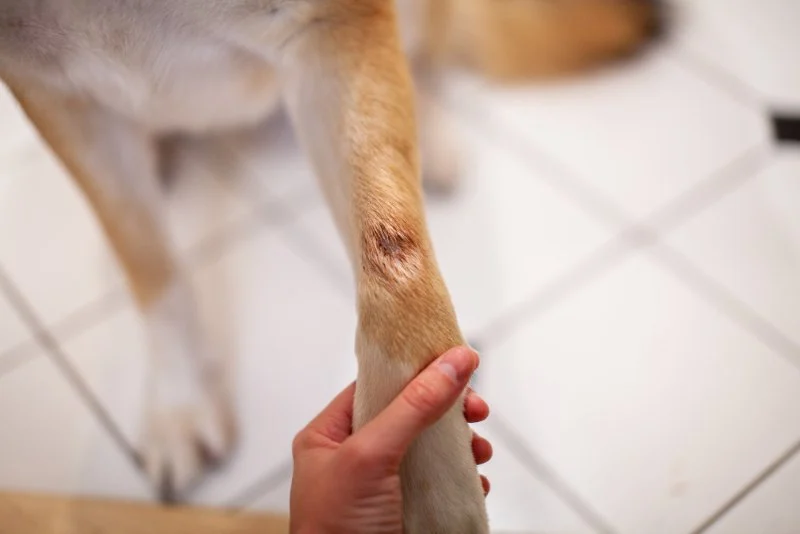
Hot spots, also known as acute moist dermatitis, are localized areas of inflamed skin that often become red, sore, and moist. These spots are typically caused by excessive licking, biting, or scratching and can quickly become infected. In urban environments, dogs might be more prone to these due to allergens, stress, or environmental factors. Recognizing hot spots early can prevent them from becoming severe and spreading to other areas.
2. How to Spot Hot Spots Early
Identifying a hot spot early is crucial to avoid further irritation and infection. Here are some key signs to watch for:
2.1. Red, Inflamed Skin
The most obvious sign of a hot spot is bright red, inflamed skin. The affected area may look raw, moist, and even bleed. The skin can appear swollen, and the dog may show signs of discomfort when the area is touched.
2.2. Excessive Licking, Biting, or Scratching
If your dog is obsessively licking or scratching one spot, it's a good indication that something is bothering them. This constant attention to the area can worsen the condition, turning a small irritation into a larger, infected hot spot.
2.3. Hair Loss Around the Affected Area
In many cases, dogs will begin to lose fur around the hot spot as a result of the constant licking and biting. This hair loss can make the affected area more visible and can lead to skin damage.
3. Effective Treatments for Hot Spots
Once a hot spot is identified, it’s important to treat it promptly to prevent the infection from worsening. Here are some effective treatments:
3.1. Cleaning the Area
The first step in treating a hot spot is cleaning the affected area. Gently wash the spot with warm water and mild soap to remove dirt and debris. Use a soft cloth to pat the area dry. You can also use an antiseptic spray or solution that is safe for dogs to disinfect the area.
3.2. Applying Topical Medications
Over-the-counter hydrocortisone creams or sprays can help reduce inflammation and itching. In more severe cases, your vet may prescribe an antibiotic ointment to treat the infection. Be sure to follow your vet’s instructions regarding how and when to apply the medication.
3.3. Preventing Licking
To prevent further irritation, it’s essential to stop your dog from licking or biting the affected area. This can be done by using an Elizabethan collar (cone) or a soft collar to keep them from reaching the hot spot. Additionally, make sure your dog doesn’t have access to irritants like allergens or flea infestations that could worsen the condition.
4. Preventing Hot Spots in Dogs
Prevention is always better than treatment, and there are several ways you can help prevent hot spots from developing in the first place:
4.1. Regular Grooming
Regular grooming can help prevent hot spots by keeping your dog’s coat clean and free from tangles or mats that can trap moisture. Pay special attention to areas where your dog is prone to licking or scratching, such as under the ears or in the folds of skin.
4.2. Keeping Your Dog Dry
Moisture can contribute to the development of hot spots, so it's important to keep your dog dry, especially during or after outdoor activities. If your dog gets wet in the rain, be sure to dry them thoroughly, particularly in areas where the skin folds or hair can trap moisture.
4.3. Addressing Allergies and Fleas
If your dog has allergies or is prone to flea infestations, managing these conditions can help prevent hot spots. Consult your vet for an allergy test or flea prevention plan if you suspect that these factors are contributing to your dog's skin problems.
5. When to Consult a Vet for Hot Spots
In some cases, hot spots may not improve with at-home treatment and require veterinary intervention. Here are some signs that it’s time to consult a vet:
5.1. The Hot Spot Becomes Larger or More Severe
If the hot spot continues to grow or doesn’t improve within a few days, it’s important to seek veterinary help. Larger, deeper hot spots may require more intensive treatment or medication.
5.2. Presence of Pus or Bleeding
If you notice that the hot spot is oozing pus or bleeding, it could indicate a serious infection. This is a sign that the infection has spread and requires immediate professional treatment.
5.3. Behavioral Changes in Your Dog
If your dog seems excessively lethargic, has a decreased appetite, or shows signs of increased pain, it’s time to consult your vet. These changes could indicate that the infection has affected your dog’s overall health.
For more information on preventing and treating hot spots, as well as expert recommendations on care and products for your dog, visit Brothers Pets.




 Amy Anderson, DVM5.0 (3 reviews)
 Lakeway Animal Hospital4.0 (936 reviews)
 Rentzels Bird Farm4.0 (167 reviews)
 Vetco Vaccination Clinic5.0 (3 reviews)
 Red Bank Veterinary Hospital4.0 (203 reviews)
 CVETS - Veterinary Urgent Care4.0 (88 reviews)
 How to Protect Your Pet’s Paws from Extreme Weather Conditions
 Tips for Reducing Stress in Cats During Vet Visits
 How to Prevent and Treat Ticks and Fleas in Pets
 How to Recognize and Treat Cushing’s Disease in Dogs
 Expert Advice on Parasite Prevention for Pets: Vet Tips and Seasonal Protection
 How to Make Your Home Safe for Senior Pets: Practical Tips and Advice