
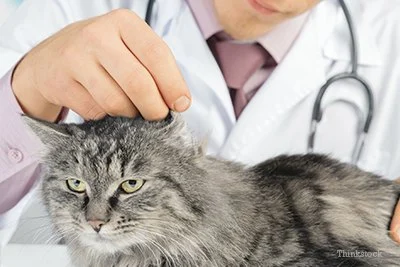
Tips for Reducing Stress in Cats During Vet Visits
- Understanding Stress in Cats
- Why Vet Visits Cause Stress in Cats
- Preparing Your Cat for a Vet Visit
- Strategies for Reducing Stress During Vet Visits
- Real-Life Case Study: Reducing Stress for Cats During Vet Visits
- Why Choose Brothers Pets for Your Cat’s Care
Understanding Stress in Cats
Cats are naturally independent creatures, and they can become easily stressed when their routine is disrupted. Unlike dogs, who often seek comfort from their owners in unfamiliar situations, cats tend to withdraw when they are feeling anxious or scared. Stress in cats can lead to various behavioral changes, including hiding, excessive grooming, or even aggression.
As a pet owner, it’s essential to understand how stress affects your cat’s health and well-being. By learning the signs of stress and recognizing what triggers it, you can take steps to reduce anxiety and ensure that your cat’s visits to the vet are as stress-free as possible.
Why Vet Visits Cause Stress in Cats
Vet visits are one of the most common sources of stress for cats. Several factors contribute to their anxiety when they’re at the veterinary clinic:
1. Unfamiliar Environment
The sights, sounds, and smells of the vet clinic are completely foreign to cats. This unfamiliarity can cause a significant amount of stress, especially if your cat is not used to being in new environments. The presence of other animals, loud noises, and even the scent of cleaning products can increase your cat’s anxiety.
2. Lack of Control
Cats are territorial animals, and they often feel safer when they are in familiar environments. At the vet, they are placed in a situation where they have little control, which can make them feel vulnerable. This feeling of helplessness can heighten stress and anxiety levels.
3. Past Negative Experiences
If your cat has had unpleasant experiences at the vet, such as painful procedures or forceful handling, they may associate the clinic with fear and discomfort. These past experiences can make future visits even more stressful for your cat.
Preparing Your Cat for a Vet Visit
Preparation is key to reducing your cat’s stress during a vet visit. The more familiar you can make the experience for your cat, the less likely they will be to react negatively. Here are some steps to take before your vet appointment:
1. Use a Familiar Carrier
Cats often associate their carrier with trips to the vet, which can cause anxiety. To reduce this stress, make the carrier a familiar and comfortable space. Leave the carrier out at home and place treats, toys, or bedding inside so your cat can associate it with positive experiences. You can also feed your cat inside the carrier in the days leading up to the visit to create a more positive association.
2. Keep Your Cat Calm Before the Visit
Before heading to the vet, keep your cat calm by engaging in low-stress activities like brushing or playing. Avoid rushing your cat into the carrier, and try to remain calm yourself. Cats are sensitive to their owners' emotions, so staying calm can help your cat feel more secure.
3. Avoid Car Trips Before the Appointment
If possible, avoid taking your cat on unnecessary car trips before the vet visit. Cats can become anxious just from being in the car, so limiting car rides to the vet will help prevent them from associating car trips with stress.
Strategies for Reducing Stress During Vet Visits
Even with preparation, vet visits can still cause stress for cats. However, there are several strategies you can use to help reduce your cat's anxiety during the visit:
1. Keep Your Cat in the Carrier
Once you arrive at the vet, keep your cat inside the carrier as much as possible. Opening the carrier door too soon can cause your cat to feel exposed and vulnerable. Keeping your cat in the carrier will allow them to feel safer and more secure while waiting for the appointment.
2. Use Calming Products
There are several calming products available that can help reduce your cat’s stress. Pheromone sprays, such as Feliway, mimic the calming pheromones that cats naturally produce and can help soothe them during the visit. You can also try using natural supplements or treats designed to reduce anxiety.
3. Talk to the Veterinarian
Communicate with the vet staff about your cat's specific fears and anxieties. Many veterinary clinics are trained to handle anxious cats, and the staff can take extra precautions to ensure your cat feels comfortable during the visit. Ask about low-stress handling techniques or request that your cat be given extra time in a quiet room to reduce stress.
Real-Life Case Study: Reducing Stress for Cats During Vet Visits
Jenny, a cat owner from Chicago, struggled with her cat’s fear of the vet. Her cat, Whiskers, would become extremely stressed during visits, often hiding in the carrier and refusing to come out. After speaking with her veterinarian, Jenny started using pheromone sprays and made sure to engage in calm activities before the visit. She also worked with her vet to schedule Whiskers' appointments during quieter hours to reduce the amount of stress caused by other animals.
After implementing these changes, Jenny noticed that Whiskers’ anxiety levels decreased significantly during vet visits. She now uses these techniques for every appointment, and Whiskers has become much more relaxed and confident at the vet.
Why Choose Brothers Pets for Your Cat’s Care
At Brothers Pets, we understand the importance of reducing stress for cats during vet visits. We offer a range of products designed to help keep your cat calm, comfortable, and happy. From calming pheromone sprays to high-quality carriers and accessories, we provide the tools you need to make vet visits a less stressful experience for your cat.
Visit Brothers Pets today to explore our products and learn more about how we can help reduce stress for your cat during vet visits.




 Best Puppies For Sale4.0 (96 reviews)
 Pet Assistance, Inc.2.0 (7 reviews)
 The Animal Clinic, P.S.C.4.0 (407 reviews)
 River Mill Animal Hospital - Dr. Tammie Hodge4.0 (114 reviews)
 Dr. Terry L Hills DVM5.0 (4 reviews)
 South County Animal Hospital, A Thrive Pet Healthcare Partner4.0 (145 reviews)
 Raw Food Diets for Pets: Pros, Cons, and Veterinary Opinions
 How to Spot and Treat Liver Disease in Cats and Dogs: A Complete Guide
 How to Spot Symptoms of Food Allergies in Cats: A Guide for Pet Owners
 How to Choose the Right Vet for Your Pet's Specific Needs
 Best Dog Breeds for Active Families with Kids: Top Choices for Fun and Play
 How to Spot Early Signs of Cancer in Pets and What to Do Next