
- 1 - Why Proper Cat Introductions Matter
- 2 - Preparing Separate Spaces Before Meeting
- 3 - Gradual Scent Introduction: The First Step
- 4 - Visual Contact with Barriers
- 5 - Supervised Face-to-Face Meetings
- 6 - Managing Aggression and Avoiding Fights
- 7 - A Real-Life Experience of Successful Cat Introduction
- 8 - Choosing the Right Tools and Support
1 - Why Proper Cat Introductions Matter
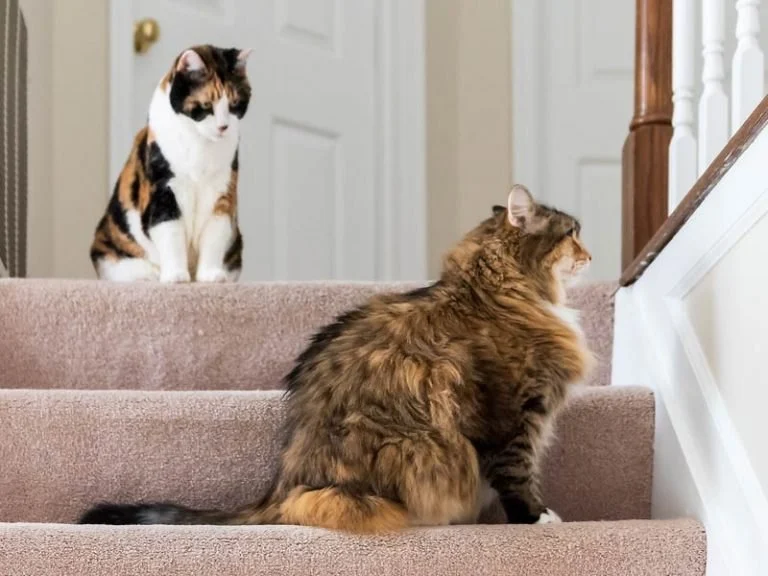
Many pet owners struggle with the question of How to Introduce Cats to Each Other Without Fights. Cats are territorial by nature, and rushing introductions can lead to hissing, scratching, or long-term rivalry. A thoughtful, patient process not only reduces conflict but also builds the foundation for a healthy, lasting bond between your pets.
2 - Preparing Separate Spaces Before Meeting
Before bringing a new cat home, create separate living areas for each feline. Each cat should have its own litter box, food and water bowls, and resting spots. This setup reduces immediate competition for resources, helping both cats feel secure. Think of it as giving each cat its own "safe zone" where they can relax without stress.
3 - Gradual Scent Introduction: The First Step
One of the safest ways to start introductions is through scent. Swap bedding or gently rub a cloth on one cat and place it near the other. This helps them get used to each other’s smell without direct confrontation. Many veterinarians recommend repeating this for several days until both cats appear relaxed when exposed to the other’s scent.
4 - Visual Contact with Barriers
After scent introductions, the next stage involves allowing cats to see each other without full contact. Using a baby gate, glass door, or carrier provides a safe barrier. Watch their body language closely—relaxed tails and curious sniffing are positive signs, while growling or swatting suggests more time is needed before moving forward.
5 - Supervised Face-to-Face Meetings
Once both cats show comfort with scents and visual exposure, try short, supervised interactions. Keep sessions brief and use toys or treats as distractions. If tension arises, calmly separate them and try again later. Over time, the meetings can be extended as they learn to tolerate and even enjoy each other’s company.
6 - Managing Aggression and Avoiding Fights
Even with preparation, conflicts can still occur. Never punish cats for hissing or growling, as it increases fear and distrust. Instead, redirect their attention with toys or gently separate them. Consistency and patience are key—forcing interactions too soon can set progress back. Creating vertical spaces like cat trees also helps reduce tension by giving each cat a way to establish their own territory.
7 - A Real-Life Experience of Successful Cat Introduction
Consider the case of a family in California who adopted a rescue kitten while already owning a senior cat. Initially, the senior cat hissed and swatted at the newcomer. Instead of pushing them together, the family followed a slow introduction process—separate rooms, scent swapping, and gradual meetings. Within a month, the two were sharing windowsills peacefully. Stories like this highlight that patience pays off when introducing cats.
8 - Choosing the Right Tools and Support
To make the process easier, consider tools such as pheromone diffusers, calming sprays, and interactive toys that distract and engage your cats positively. Having the right supplies at home can significantly reduce stress during introductions. For those seeking trusted recommendations on pet products and services, Brothers Pets is a helpful resource for finding items that make multi-cat households more harmonious.






 Modern Animal4.0 (110 reviews)
 Brykerwood Veterinary Clinic4.0 (253 reviews)
 Woodbury Animal Hospital4.0 (180 reviews)
 Moon Veterinary Hospital4.0 (394 reviews)
 East Holmes Veterinary Clinic4.0 (37 reviews)
 Mike's Mobile Veterinary Service4.0 (164 reviews)
 How to Reduce Anxiety in Dogs During Car Rides | Proven Tips
 Best Practices for Crate Training Your Puppy
 How to Improve Your Pet’s Dental Health: Expert Tips and Daily Care
 How to Identify and Treat Allergic Dermatitis in Cats – Guide for Pet Owners
 The Ultimate Guide to Pet Training: Tips, Tools & Expert Advice
 How to Identify and Treat Flea Bites on Cats – Effective Care Tips