
Understanding Feline Hypertension and Its Risks
- What Is Feline Hypertension?
- Causes of Feline Hypertension
- Symptoms of Feline Hypertension
- Risks of Untreated Hypertension
- How to Manage Feline Hypertension
What Is Feline Hypertension?
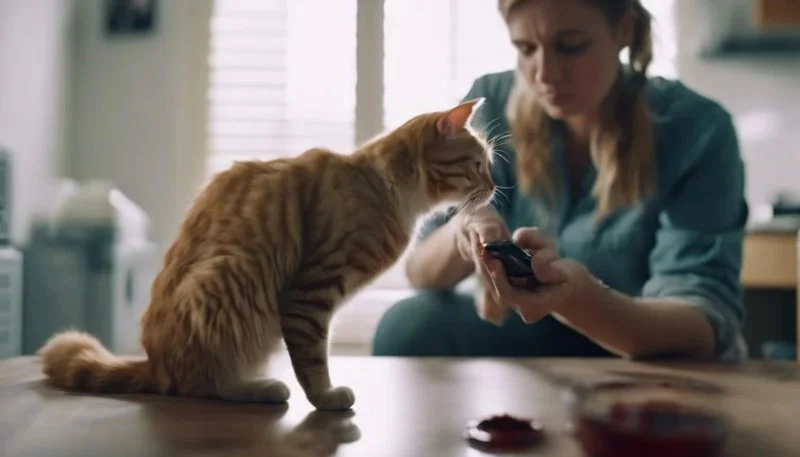
Feline hypertension, also known as high blood pressure, is a common health issue among cats, especially in older felines. It occurs when the force of the blood against the walls of the arteries is consistently too high, which can strain the heart, kidneys, and other organs. While it often develops without noticeable symptoms, untreated hypertension can lead to severe complications, including organ damage and even death.
Hypertension in cats can be either primary (no underlying disease) or secondary (due to another health condition such as kidney disease, hyperthyroidism, or diabetes). Understanding and managing this condition is critical for maintaining the health and well-being of your cat.
Causes of Feline Hypertension
There are several underlying factors that can contribute to the development of high blood pressure in cats. Some of the most common causes include:
- Kidney Disease: Chronic kidney disease (CKD) is one of the leading causes of secondary hypertension in cats. As kidney function declines, it can lead to fluid retention, which in turn increases blood pressure.
- Hyperthyroidism: Overactive thyroid glands can cause increased metabolism, which raises blood pressure.
- Diabetes: Diabetes mellitus can damage blood vessels and increase the likelihood of developing high blood pressure.
- Heart Disease: Cardiovascular issues can also contribute to hypertension, particularly when the heart is unable to pump blood effectively, causing a backup in the circulation.
- Obesity: Overweight cats are at a higher risk of developing high blood pressure due to the additional strain on their heart and circulation.
Symptoms of Feline Hypertension
High blood pressure often develops slowly, and cats may not show obvious symptoms until the condition has progressed significantly. However, some signs that may indicate hypertension in cats include:
- Sudden Blindness: Hypertension can cause damage to the blood vessels in the eyes, leading to sudden or gradual blindness.
- Behavioral Changes: Cats may become more lethargic, irritable, or hide more often if they are experiencing discomfort or pain from high blood pressure.
- Unexplained Weight Loss: Weight loss that cannot be attributed to diet or exercise changes may be a sign of an underlying health problem, including hypertension.
- Reduced Appetite: Cats with high blood pressure may experience nausea or discomfort, which can lead to a decreased appetite.
- Seizures: In severe cases, uncontrolled hypertension can cause neurological symptoms such as seizures or stumbling.
Since these symptoms can overlap with other health issues, it’s important to get your cat checked by a veterinarian if you notice any changes in their behavior or health.
Risks of Untreated Hypertension
If left untreated, feline hypertension can lead to serious and potentially life-threatening complications. Some of the risks include:
- Kidney Damage: High blood pressure puts strain on the kidneys, and over time it can worsen kidney disease or even lead to kidney failure.
- Heart Disease: Hypertension can contribute to heart failure by causing the heart to work harder than necessary, leading to a weakened heart muscle.
- Retinal Damage: Damage to the retina in the eyes can lead to blindness if blood vessels in the eye burst or become obstructed.
- Stroke: Just like in humans, untreated high blood pressure can increase the risk of stroke in cats, which can result in permanent neurological damage or death.
Early detection and treatment are essential to prevent these serious risks and to ensure that your cat leads a long and healthy life.
How to Manage Feline Hypertension
If your cat is diagnosed with hypertension, it is important to follow your veterinarian’s recommendations for treatment. Here are some common management strategies:
- Medications: Veterinarians typically prescribe blood pressure-lowering medications such as amlodipine to help manage hypertension in cats.
- Dietary Changes: If your cat is overweight, your vet may recommend a special diet designed to help with weight loss, which can improve overall cardiovascular health.
- Regular Monitoring: Regular vet visits to monitor blood pressure are crucial to ensure that the condition is being managed effectively. This may involve periodic blood pressure readings and lab tests.
- Managing Underlying Conditions: If your cat’s hypertension is secondary to another condition such as hyperthyroidism or kidney disease, treating that underlying condition will help control the high blood pressure.
With proper management, many cats with hypertension can live comfortable, healthy lives. Be sure to follow up regularly with your veterinarian and report any changes in your cat’s health.





 PetVet Vaccination Clinic5.0 (1 reviews)
 FM 685 Animal Hospital4.0 (445 reviews)
 Mid Atlantic Feline Thyroid Center5.0 (34 reviews)
 Ahwatukee Commons Veterinary Hospital4.0 (292 reviews)
 Town & Country Animal Hospital4.0 (507 reviews)
 Wags & Whiskers Veterinary Clinic, PC5.0 (55 reviews)
 Signs Your Cat Needs Professional Dental Cleaning
 The Dos and Don'ts of Pet Grooming
 How to Care for Your Pet’s Joints and Mobility as They Age
 How to Teach Your Dog Basic Commands Quickly | Training Tips for Success
 htmlCopy codeHow to Keep Your Pet Safe from Household Poisons
 The Ultimate Guide to Pet Vaccination for US Pet Owners