
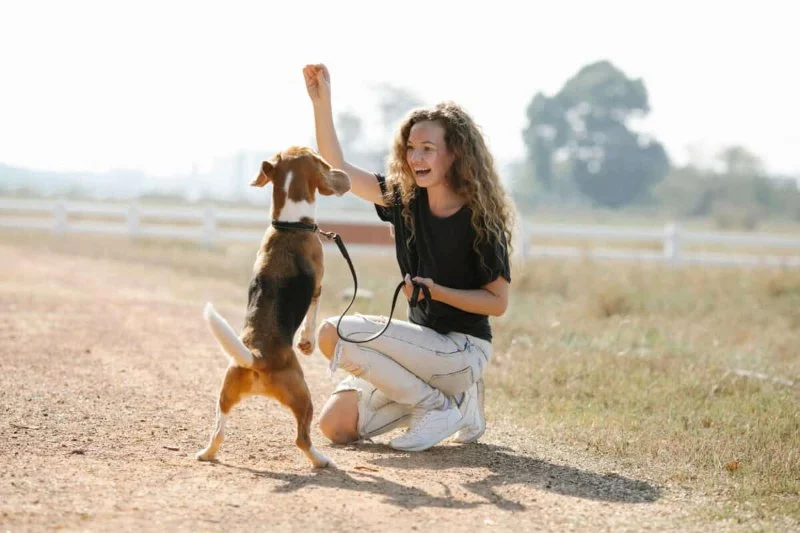
- Understanding Basic Dog Commands
- Key Principles for Training Dogs
- Common Dog Commands to Teach
- Training Tips for Success
- Avoiding Common Training Mistakes
Understanding Basic Dog Commands
Training your dog to follow basic commands is essential for creating a harmonious relationship between you and your pet. Basic commands like "sit," "stay," and "come" help ensure your dog’s safety, improve behavior, and make everyday activities easier. These commands also give your dog a sense of structure and clarity, which leads to a more confident and well-behaved companion.
In this article, we will explore how to quickly teach your dog basic commands, the importance of consistency, and the role positive reinforcement plays in training. Whether you're a first-time dog owner or an experienced trainer, these tips will help you create a strong foundation for your dog’s training.
Key Principles for Training Dogs
Training a dog requires patience, consistency, and positive reinforcement. Understanding a few key principles can help speed up the process and make it more enjoyable for both you and your dog.
1. Be Consistent
Consistency is one of the most important aspects of training. Use the same command words and hand gestures every time. Dogs learn by repetition, so consistency ensures your dog can easily associate the action with the command.
2. Keep Sessions Short and Positive
Dogs have short attention spans, especially when they’re young. Keep training sessions brief, around 10-15 minutes, to avoid frustration. End each session on a positive note with praise or a treat, so your dog remains eager to learn.
3. Use Positive Reinforcement
Positive reinforcement, such as treats, praise, or toys, is one of the most effective ways to encourage good behavior. Reward your dog immediately after they perform the desired action to reinforce the connection between the command and the reward.
Common Dog Commands to Teach
There are several basic commands every dog should learn. Here are the most important ones to get started:
1. Sit
The "sit" command is one of the easiest commands to teach and serves as the foundation for many other commands. It helps with calming your dog down and makes it easier to introduce other behaviors. To teach it, hold a treat above your dog’s nose and move it back toward their tail, which should naturally encourage them to sit. As soon as they do, say “sit” and reward them with the treat.
2. Stay
The "stay" command teaches your dog to remain in place. It’s important for safety in situations like crossing the street or when you need them to stay put while you’re busy. Start by asking your dog to sit, then hold your hand out in front of them and say “stay.” Take a few steps back, and if they stay, reward them with a treat.
3. Come
The "come" command is vital for ensuring your dog returns to you when called. Start by calling your dog’s name in an excited tone, and when they come to you, reward them with a treat. Gradually increase the distance between you and your dog while practicing this command.
4. Leave It
This command helps prevent your dog from picking up or eating something they shouldn’t. To teach "leave it," place a treat in your hand, show it to your dog, and close your hand around it. When your dog stops trying to get the treat, say "leave it" and reward them with a different treat once they back off.
Training Tips for Success
Here are some helpful tips to make sure your training efforts are effective and enjoyable for both you and your dog:
1. Train in a Distraction-Free Area
Start training in a quiet, distraction-free area. Once your dog has mastered the commands in a controlled environment, you can begin practicing in places with more distractions, like the park or your backyard, to reinforce their learning in different contexts.
2. Be Patient and Persistent
Training a dog takes time and patience. Don’t expect your dog to master a command overnight. Practice regularly, and remember that consistency and persistence will pay off in the long run.
3. Use the Right Tools
While training, it’s important to use the right tools, such as a leash, clicker, or training treats. A leash helps keep your dog focused and ensures safety, especially during outdoor training sessions. A clicker can help mark the exact moment your dog performs the right behavior, making it easier for them to understand the reward.
Avoiding Common Training Mistakes
While training your dog, it’s easy to make mistakes that can hinder progress. Here are some common pitfalls to avoid:
1. Inconsistent Commands
Using different words or gestures for the same command can confuse your dog. Stick to the same word and hand signal every time to avoid confusion.
2. Punishing Your Dog
Punishing your dog for not following a command can be counterproductive and harm your bond with your pet. Focus on positive reinforcement rather than punishment to encourage good behavior.
3. Not Rewarding Immediately
To create a clear association between the command and the behavior, reward your dog immediately after they perform the correct action. Delayed rewards may confuse them.
Conclusion
Teaching your dog basic commands is a fun and rewarding process that benefits both you and your pet. By being consistent, using positive reinforcement, and practicing regularly, you can train your dog quickly and effectively. Remember to be patient, and soon your dog will be obeying commands with ease. If you’re looking for the best products and resources to help with your dog’s training, visit Brothers Pets for everything you need to support your training efforts.






 Pine Street Animal Hospital4.0 (275 reviews)
 Thousand Hills Veterinary Clinic4.0 (84 reviews)
 Jay's Aquatics4.0 (121 reviews)
 Parkdale Pet Care4.0 (206 reviews)
 Hampstead Animal Hospital4.0 (204 reviews)
 Petco4.0 (256 reviews)
 How to Teach Your Pet to Respond to Basic Commands | Brothers Pets
 Tips for Safe Outdoor Play for Indoor Cats
 How to Spot and Treat Thyroid Problems in Cats and Dogs
 How to Deal with Pet Aggression: Tips for Peaceful Behavior
 How to Help Dogs Recover from Stressful Events – Effective Strategies for Relief
 The Dos and Don'ts of Pet Adoption Every Owner Should Know