
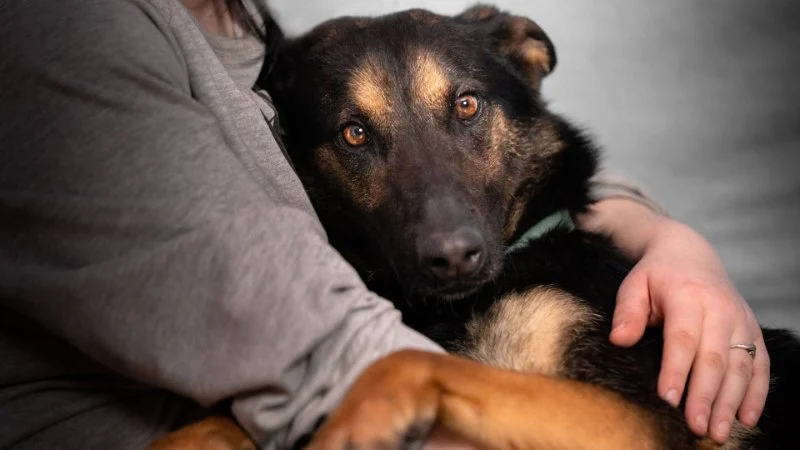
How to Help Dogs Recover from Stressful Events
- 1-Understanding Stress in Dogs
- 2-Common Stressful Events for Dogs
- 3-How Stress Affects Dogs
- 4-Effective Strategies for Helping Dogs Recover
- 5-When to Seek Professional Help
- 6-Helping Your Dog Through Stressful Transitions
Just like humans, dogs can experience stress due to various reasons. Stress is a natural physiological response to stimuli that an animal perceives as threatening or overwhelming. Dogs often rely on their owners to help them manage stress in a healthy way. Understanding what triggers stress in dogs and how to help them recover from it is crucial for their well-being.
What Causes Stress in Dogs?
Dogs experience stress for a variety of reasons, ranging from changes in their environment to physical discomfort. Stress can be triggered by factors such as moving to a new home, loud noises, separation from their owner, or changes in routine. Additionally, traumatic events such as accidents or illness can lead to long-lasting stress that may require intervention.
Recognizing Stress in Dogs
Recognizing the signs of stress in your dog is essential. Common signs include panting, excessive barking, drooling, shaking, or hiding. If you notice any of these behaviors, it's a signal that your dog is feeling stressed and may need help recovering.
Common Stressful Events for Dogs
Dogs may experience stress during various situations. Some of the most common stressful events for dogs include:
1. Moving to a New Home
Moving to a new environment can be overwhelming for dogs. They are sensitive to changes in their surroundings and may feel anxious or unsettled for a while.
2. Loud Noises
Thunderstorms, fireworks, and other loud noises are common triggers for stress in dogs. These noises can cause fear and anxiety, especially in sensitive dogs.
3. Separation Anxiety
When dogs are separated from their owners, they can experience extreme anxiety. This is especially true for dogs with attachment issues or those who have been rehomed.
How Stress Affects Dogs
Stress can have both short-term and long-term effects on dogs. In the short term, stress can lead to behavioral changes like increased barking or destructive chewing. If stress persists, it can manifest as health problems such as digestive issues, weight loss, or even immune system suppression. Chronic stress can also make dogs more prone to developing anxiety disorders and behavioral problems in the future.
Effective Strategies for Helping Dogs Recover
Helping your dog recover from stress requires patience, understanding, and a combination of approaches. Here are some effective strategies to support your dog’s recovery:
1. Provide a Safe and Calm Environment
One of the first steps in helping your dog recover from stress is providing a safe, quiet space. This space should be free from distractions and loud noises, offering your dog a refuge where they can relax and feel secure.
2. Reassure with Calmness
Dogs often mirror their owners' emotions. If you remain calm and composed, your dog is more likely to feel at ease. Offer gentle reassurance through soft speech and comforting gestures.
3. Use Relaxation Techniques
Techniques such as massage or calming music can help your dog relax. Some dogs respond well to products like anxiety wraps or calming pheromone diffusers, which can also reduce stress levels.
4. Keep a Consistent Routine
Maintaining a consistent daily routine can help reduce stress for your dog. Regular feeding times, walks, and playtime provide stability, which can be especially comforting during stressful periods.
When to Seek Professional Help
If your dog’s stress does not improve with home interventions or if you notice signs of long-term behavioral or health issues, it may be time to consult with a veterinarian or a professional dog trainer. They can offer expert advice on how to manage your dog’s stress and provide potential solutions for more severe cases.
Helping Your Dog Through Stressful Transitions
Whether it’s a move, a change in routine, or a traumatic event, helping your dog through stressful transitions is key to their recovery. At Brothers Pets, we offer a range of products, including calming toys, treats, and pheromone diffusers that can help ease your dog's anxiety. We understand the importance of your pet’s well-being and provide resources that make their recovery process smoother.
With patience and proper care, your dog can recover from stressful events and return to their happy, healthy self. Remember, every dog is different, so it's essential to approach recovery in a way that best suits your dog's individual needs.





 911PetChip3.0 (9 reviews)
 Lake Balboa Veterinary Care4.0 (133 reviews)
 All Bay Animal Hospital4.0 (354 reviews)
 Underdog Veterinary Services4.0 (79 reviews)
 On the go pet supply3.0 (21 reviews)
 Fish Warehouse4.0 (50 reviews)
 How to Recognize Hypothyroidism in Dogs
 How to Recognize and Treat Common Pet Poisonings
 Safe Flea Treatments for Puppies and Kittens – Effective Options for Young Pets
 How to Teach Your Pet to Respond to Basic Commands | Brothers Pets
 Understanding Pet Breeds and Their Unique Health Considerations
 How to Teach Your Dog Basic Commands Quickly: Expert Tips and Techniques