
- What Is Hypothyroidism in Dogs?
- Symptoms of Hypothyroidism in Dogs
- How Hypothyroidism Affects Dogs
- Diagnosing Hypothyroidism in Dogs
- Treatment Options for Hypothyroidism in Dogs
1. What Is Hypothyroidism in Dogs?
Hypothyroidism in dogs is a condition where the thyroid gland doesn't produce enough thyroid hormone. This hormone is crucial for regulating metabolism, growth, and energy levels. When thyroid hormone production decreases, it can lead to a variety of health issues, including weight gain, lethargy, and skin problems.
Hypothyroidism is a common endocrine disorder in dogs, particularly in middle-aged or older dogs. It is most often diagnosed in breeds such as Golden Retrievers, Doberman Pinschers, and Cocker Spaniels. However, any dog can develop this condition.
2. Symptoms of Hypothyroidism in Dogs
Recognizing hypothyroidism in dogs can be challenging, as many of the symptoms are subtle and may be attributed to other conditions. However, there are several common signs to look for that could indicate a thyroid problem:
2.1 Weight Gain
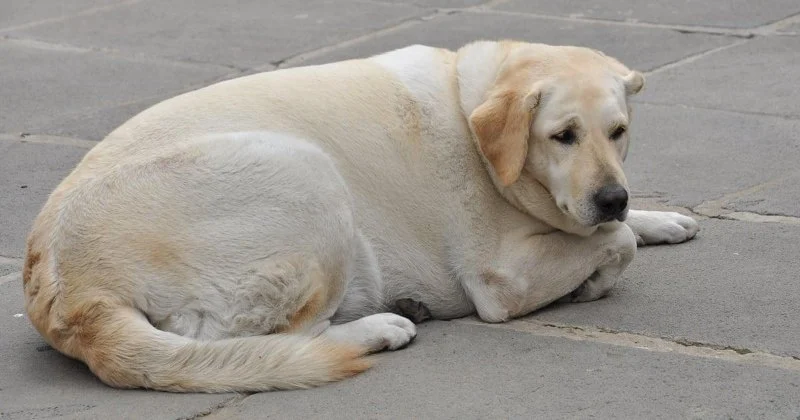
One of the most noticeable symptoms of hypothyroidism in dogs is unexplained weight gain. Even if your dog’s diet and exercise routine haven’t changed, they may begin to put on weight. This happens because the thyroid hormones play a significant role in regulating metabolism, and when their levels are low, metabolism slows down, leading to weight gain.
2.2 Lethargy and Fatigue
Dogs with hypothyroidism often appear more tired than usual. They may be less active, spend more time sleeping, or show a lack of interest in activities they once enjoyed. This fatigue is due to the lack of thyroid hormones, which can affect energy production and overall vitality.
2.3 Skin and Coat Problems
Another common sign of hypothyroidism in dogs is changes in the skin and coat. Dogs with this condition may have dry, flaky skin, and their coat may become thin, dull, or brittle. In severe cases, they may lose patches of fur, particularly on their tail or the hind legs.
2.4 Cold Sensitivity
Due to the slower metabolism associated with hypothyroidism, dogs may become more sensitive to cold weather. You may notice your dog shivering or seeking out warm places to sleep more often than before.
2.5 Behavioral Changes
Dogs with hypothyroidism may also exhibit behavioral changes, including increased irritability, depression, or nervousness. These changes can stem from the overall effects of hormonal imbalances in their body.
3. How Hypothyroidism Affects Dogs
The effects of hypothyroidism can vary depending on the severity of the condition. In the early stages, symptoms may be mild, but over time, untreated hypothyroidism can lead to more serious health complications.
3.1 Heart and Circulatory Issues
Low thyroid hormone levels can lead to a slower heart rate and poor circulation. Over time, this can put additional strain on the heart and lead to cardiovascular problems. Some dogs may develop heart murmurs or even heart failure if the hypothyroidism is left untreated for too long.
3.2 Joint and Muscle Problems
As hypothyroidism progresses, dogs may experience joint pain, stiffness, and muscle weakness. This can make it difficult for them to move around comfortably and can lead to issues with walking or running.
3.3 Infertility and Reproductive Issues
Hypothyroidism can also affect a dog’s reproductive system. Female dogs with untreated hypothyroidism may experience irregular heat cycles, and male dogs may have reduced sperm production, which can lead to infertility.
4. Diagnosing Hypothyroidism in Dogs
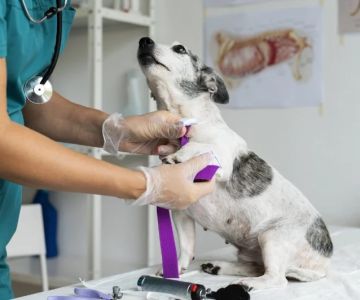
If you notice any of the symptoms mentioned above, it's essential to take your dog to the veterinarian for an accurate diagnosis. Your vet will perform a thorough physical examination and may recommend blood tests to measure the levels of thyroid hormones (T3 and T4) in your dog’s body. In some cases, additional tests may be needed to confirm the diagnosis.
It's important to note that other conditions, such as infections or diabetes, can cause symptoms similar to hypothyroidism. Therefore, your vet will carefully rule out other potential causes before making a definitive diagnosis.
5. Treatment Options for Hypothyroidism in Dogs
Hypothyroidism in dogs is a manageable condition with the right treatment. The primary treatment for hypothyroidism is thyroid hormone replacement therapy. Here’s how it works:
5.1 Thyroid Hormone Medication
The most common treatment for hypothyroidism is thyroid hormone replacement, usually in the form of synthetic levothyroxine. This medication is taken orally and helps to restore normal thyroid hormone levels in the dog’s body. Most dogs will need to take this medication for the rest of their lives, but with proper dosage and monitoring, they can lead a normal, healthy life.
5.2 Regular Monitoring
After starting thyroid hormone treatment, your vet will need to monitor your dog’s hormone levels regularly. This ensures that the dosage is appropriate and that your dog is responding well to the medication. Adjustments to the dosage may be needed over time, depending on your dog’s progress.
5.3 Managing Symptoms and Lifestyle Adjustments
Along with medication, your vet may recommend certain lifestyle adjustments to help manage your dog’s condition. Regular exercise, a balanced diet, and maintaining a healthy weight can help alleviate symptoms and improve your dog’s overall well-being. It's also important to keep your dog warm in cold weather and avoid exposing them to extreme temperatures.
If you suspect your dog has hypothyroidism, or if your dog is showing any of the symptoms mentioned, it's important to consult a veterinarian for diagnosis and treatment options. For more information on pet health and the best products for your dog, visit Brothers Pets to find helpful resources and recommended products.




 Guardian Animal Medical Center4.0 (143 reviews)
 Mercy Animal Medical Center3.0 (107 reviews)
 Animal Crackers4.0 (243 reviews)
 Richland Animal Hospital4.0 (28 reviews)
 Moyers Veterinary Hospital4.0 (449 reviews)
 Lone Star Dogz5.0 (10 reviews)
 How to Safely Clean Your Pet’s Toys and Accessories: Tips and Best Practices
 How to Help Your Pet Cope with Hot Weather - Brothers Pets
 Top 9 Tips for Pet Training Every Owner Should Know
 How to Manage Your Pet's Stress and Anxiety Levels
 How to Choose the Best Pet Supplements for Joint Health
 Pet Aging: What Vets Want You to Know for Better Senior Pet Care