
- 1. Understanding Digestive Problems in Pets
- 2. Common Digestive Problems in Pets
- 3. How to Spot Digestive Problems in Your Pet
- 4. Treatment Options for Digestive Issues
- 5. Preventing Digestive Problems in Pets
1. Understanding Digestive Problems in Pets
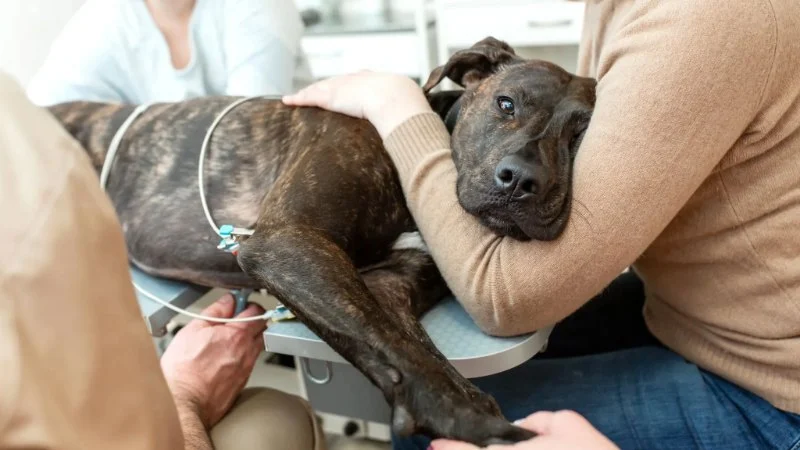
Just like humans, pets can experience a variety of digestive problems that affect their overall health and well-being. These issues can range from mild discomfort to severe conditions that require medical attention. Understanding the causes and symptoms of digestive problems in pets is essential for pet owners to provide proper care and ensure a long, healthy life for their furry companions.
2. Common Digestive Problems in Pets
There are several common digestive problems that affect pets, particularly dogs and cats. These issues can often be related to diet, stress, or underlying health conditions. Some of the most frequent digestive problems include:
- Vomiting: Vomiting is a common symptom of digestive issues in pets. It can be caused by food allergies, infections, or eating something inappropriate.
- Diarrhea: Diarrhea can result from a variety of factors, including bacterial infections, parasites, food intolerance, or even stress.
- Constipation: This occurs when a pet’s bowel movements are infrequent or difficult to pass, often due to dehydration or a poor diet.
- Gas and Bloating: Excessive gas and bloating can indicate digestive distress or gastrointestinal conditions such as gastroenteritis.
- Loss of Appetite: A sudden loss of appetite can signal digestive issues, such as nausea, infections, or a more severe underlying problem.
3. How to Spot Digestive Problems in Your Pet
As a pet owner, it’s crucial to be aware of the signs that your pet might be experiencing digestive problems. Look for the following symptoms:
- Frequent Vomiting or Diarrhea: If your pet is vomiting or having diarrhea more than once or twice, it could be a sign of a digestive problem that needs treatment.
- Changes in Behavior: If your pet becomes unusually lethargic, irritable, or avoids food, it may be due to gastrointestinal discomfort.
- Excessive Drooling: Drooling can occur when a pet experiences nausea or digestive distress.
- Abdominal Pain: Pets with digestive issues may show signs of discomfort by licking their lips, guarding their stomach area, or even avoiding certain movements.
By monitoring these signs and paying attention to your pet’s behavior, you can spot digestive issues early and take appropriate action to help your pet feel better.
4. Treatment Options for Digestive Issues
Once you’ve identified that your pet is suffering from digestive problems, there are several treatment options you can consider:
- Dietary Adjustments: Switching to a specialized diet that’s easier on your pet’s digestive system can help alleviate symptoms. A veterinarian may recommend a bland diet or food that is designed to address gastrointestinal issues.
- Medications: For more severe digestive problems, medications such as anti-nausea or anti-diarrheal drugs may be prescribed by a veterinarian to help manage symptoms.
- Hydration: Ensuring your pet stays hydrated is critical, especially if they are experiencing vomiting or diarrhea. Providing fresh water and possibly offering electrolyte solutions can help prevent dehydration.
- Probiotics: Adding probiotics to your pet’s diet can help restore balance to their gut bacteria and improve digestive function.
- Veterinary Care: In some cases, if the digestive issues are severe or persistent, seeking veterinary care is necessary. The vet can perform tests and provide a tailored treatment plan.
5. Preventing Digestive Problems in Pets
While it’s impossible to completely eliminate the risk of digestive problems, there are steps you can take to reduce the likelihood of your pet experiencing them:
- Provide a Balanced Diet: Feeding your pet a nutritious and well-balanced diet is essential for their overall health and digestive function.
- Avoid Feeding Table Scraps: Human food can be too rich or too spicy for pets, leading to digestive upset. Stick to pet-approved food to avoid triggering gastrointestinal problems.
- Regular Exercise: Ensuring your pet gets enough physical activity can help promote healthy digestion and prevent constipation.
- Reduce Stress: Stress can be a major trigger for digestive issues in pets. Create a calm and stable environment for your pet to help minimize stress-related digestive problems.
By following these preventive measures, you can help keep your pet’s digestive system healthy and avoid the discomfort associated with digestive issues. For more information and to find the best products for your pet's health, visit Brothers Pets, where we offer a wide range of products designed to support your pet's digestive health.




 Angelus Pet Hospital4.0 (211 reviews)
 Urgent Petcare4.0 (335 reviews)
 Pet Doctor4.0 (625 reviews)
 Craven Creek Vet4.0 (238 reviews)
 Total Veterinary Care - Kennesaw4.0 (207 reviews)
 Margolis Jay DVM0.0 (0 reviews)
 How to Spot and Prevent Infections in Pet Wounds
 How to Improve Your Pet's Adoption Experience
 Beginner's Guide to Pet Insurance: What Every Pet Owner Should Know
 Best Practices for Cleaning Your Dog’s Paws After Walks
 Common Skin Conditions in Dogs and Their Treatments – Practical Guide for Pet Owners
 How to Prevent and Treat Skin Dryness and Itchiness in Pets