
- Common Skin Conditions in Dogs and Their Treatments - Complete Guide
- Understanding Dog Skin Health - Why It Matters
- Allergies and Irritations - Causes and Care
- Parasites and Flea Infestations - Prevention and Treatment
- Infections and Hot Spots - Early Detection
- Dry Skin and Environmental Factors - Managing Daily Care
- Real Cases from Dog Owners - What We Can Learn
- When to Visit the Vet - Red Flags to Watch For
- Support from Brothers Pets - Trusted Products and Services
1. Common Skin Conditions in Dogs and Their Treatments - Complete Guide
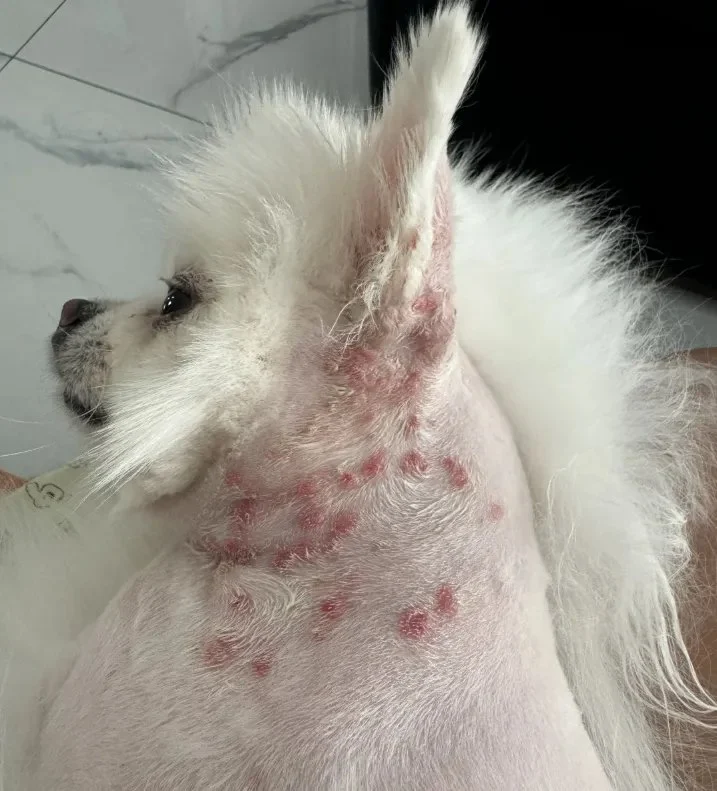
Skin problems are among the most common health concerns in dogs across the United States. From seasonal allergies to chronic infections, these conditions can cause discomfort and affect a dog’s overall well-being. Understanding the most common skin conditions in dogs and their treatments empowers owners to act quickly and keep their pets healthy.
2. Understanding Dog Skin Health - Why It Matters
A dog’s skin is more than just a protective barrier; it’s an indicator of overall health. Shiny coats and clear skin often reflect balanced nutrition and good care, while persistent itching or redness may signal underlying issues. Regular grooming and routine checks are the first steps toward preventing skin conditions.
3. Allergies and Irritations - Causes and Care
Allergies are one of the top reasons dogs visit veterinarians in the U.S. Dogs can be allergic to pollen, dust, or even ingredients in their food. Symptoms like constant scratching, licking, and ear infections often trace back to allergies. Treatments may involve antihistamines, medicated shampoos, or dietary adjustments. Some owners in California shared how switching to grain-free food significantly reduced their dog’s flare-ups.
3.1 Seasonal Allergies
Just like people, dogs can react to changing seasons. Spring and summer are peak times for pollen allergies, leading to itchy paws and watery eyes. Wiping paws after walks and using hypoallergenic bedding can reduce exposure.
3.2 Food Sensitivities
Food-based allergies are harder to pinpoint but may show up as skin rashes or digestive issues. Elimination diets guided by a vet often help identify the culprit.
4. Parasites and Flea Infestations - Prevention and Treatment
Fleas, ticks, and mites are notorious for causing skin irritation in dogs. Beyond itching, they can transmit dangerous diseases. Preventive treatments such as monthly topical solutions or oral medications are the most effective defense. A family in Texas reported that consistent flea prevention nearly eliminated their dog’s recurring hot spots.
5. Infections and Hot Spots - Early Detection
Hot spots are localized areas of inflamed, infected skin that spread quickly if untreated. They often result from excessive licking or scratching due to another irritation. Cleaning with vet-approved solutions and sometimes antibiotics helps stop the infection. Recognizing these early can prevent painful complications for dogs.
6. Dry Skin and Environmental Factors - Managing Daily Care
Dry skin can develop from low humidity, over-bathing, or harsh grooming products. Adding omega-3 supplements to a dog’s diet and using moisturizing shampoos helps restore balance. In colder U.S. states, owners often notice more dandruff in winter, which can usually be managed with regular conditioning treatments.
7. Real Cases from Dog Owners - What We Can Learn
A Labrador owner in New York shared how their dog’s chronic itching was finally resolved after switching to a hypoallergenic diet and using medicated shampoo twice a week. Another owner in Florida found success in managing flea-related dermatitis by maintaining a strict monthly flea control routine. These stories show that persistence and the right approach can make a significant difference.
8. When to Visit the Vet - Red Flags to Watch For
While many minor issues can be managed at home, persistent symptoms like open sores, excessive hair loss, or constant scratching should prompt a veterinary visit. Timely professional intervention prevents minor conditions from turning into major health problems.
9. Support from Brothers Pets - Trusted Products and Services
For pet owners looking for reliable solutions, Brothers Pets offers carefully selected products and guidance. From medicated shampoos to nutritional supplements, having the right resources ensures dogs get the best possible care. Whether you’re managing allergies or preventing fleas, expert advice and quality products provide peace of mind.






 Modern Animal4.0 (110 reviews)
 Brykerwood Veterinary Clinic4.0 (253 reviews)
 Woodbury Animal Hospital4.0 (180 reviews)
 Moon Veterinary Hospital4.0 (394 reviews)
 East Holmes Veterinary Clinic4.0 (37 reviews)
 Mike's Mobile Veterinary Service4.0 (164 reviews)
 How to Reduce Anxiety in Dogs During Car Rides | Proven Tips
 Best Practices for Crate Training Your Puppy
 How to Improve Your Pet’s Dental Health: Expert Tips and Daily Care
 How to Identify and Treat Allergic Dermatitis in Cats – Guide for Pet Owners
 The Ultimate Guide to Pet Training: Tips, Tools & Expert Advice
 How to Identify and Treat Flea Bites on Cats – Effective Care Tips