
- understanding-the-importance-of-pet-dental-health
- signs-of-dental-problems-in-pets
- daily-routines-to-improve-your-pets-dental-health
- products-and-professional-care-that-make-a-difference
- real-stories-pet-owners-share-dental-successes
- where-to-find-the-best-dental-care-support
1. Understanding the Importance of Pet Dental Health
Dental health is more than just fresh breath—it’s directly tied to your pet’s overall well-being. Poor dental hygiene in pets can lead to infections, tooth loss, and even damage to the heart, liver, and kidneys. Many pet owners overlook this crucial aspect of care until their furry companion starts showing visible signs of discomfort. That’s why learning how to improve your pet’s dental health is essential.
2. Signs of Dental Problems in Pets
If your dog or cat is reluctant to eat, drooling excessively, or pawing at their mouth, it could be more than pickiness—it may be a dental issue. Other warning signs include:
- Bad breath that doesn’t go away- Yellow or brown buildup on the teeth- Swollen or bleeding gums- Loose or missing teeth- Behavioral changes, such as irritability or withdrawal
Early detection is key. Ignoring these symptoms can lead to pain and chronic health complications.
3. Daily Routines to Improve Your Pet’s Dental Health
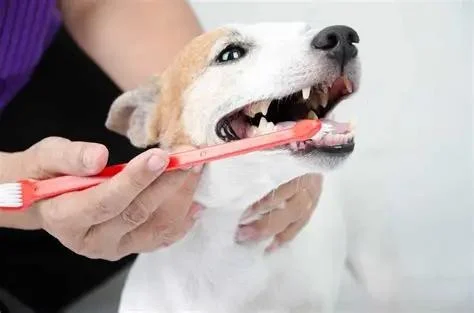
Just like humans, pets benefit from consistent oral hygiene. The gold standard? Brushing their teeth daily. Use pet-safe toothpaste—never human formulas, which can be toxic to animals. It may take patience, but starting slow and building a routine works wonders.
If brushing is difficult, consider alternatives like:
- Dental chews designed to reduce plaque- Specially formulated kibble or wet food that promotes oral health- Water additives that help reduce bacterial buildup- Dental toys that massage gums and clean teeth during play
4. Products and Professional Care That Make a Difference
Even with at-home care, regular check-ups with your vet are critical. A professional dental cleaning every 6 to 12 months allows your veterinarian to inspect under the gumline, where problems often start unnoticed.
At-home solutions are abundant, but quality matters. Look for products approved by veterinary dental associations. If you’re unsure where to start, Brothers Pets offers a handpicked selection of vet-recommended dental health tools—from enzymatic toothpastes to chewable oral rinses. Their curated collections are designed to support pet owners at every stage of their pet's dental journey.
5. Real Stories: Pet Owners Share Dental Successes
Emily, a Golden Retriever owner from Denver, shared how switching to a dental chew routine changed everything: “Before, Max would barely let me near his mouth. Now he gets excited for his nightly treat, and his breath is 100% better.”
In another case, a Maine Coon named Leo had recurring gingivitis until his owner introduced daily brushing and used a dental water additive. “I honestly thought brushing a cat’s teeth was impossible—but now it’s part of our evening ritual.”
These small changes prove that dedication—and the right tools—can improve your pet’s health dramatically.
6. Where to Find the Best Dental Care Support
Maintaining your pet’s dental health isn’t just about avoiding vet bills—it’s about helping your pet live a longer, happier life. Whether you’re starting with brushing, upgrading to pro-grade chews, or scheduling your first cleaning, the key is consistency.
If you’re looking for trusted, effective, and pet-safe dental products, visit Brothers Pets. Their expert team ensures every item is tested, reviewed, and pet-approved—because your best friend deserves the best smile.






 Crofton Veterinary Center4.0 (282 reviews)
 Tampa Bay Veterinary Specialists & Emergency Care Center4.0 (651 reviews)
 Pet Paradise4.0 (246 reviews)
 Vetco Total Care Animal Hospital4.0 (226 reviews)
 Plymouth Animal Hospital4.0 (169 reviews)
 Penn Hills Veterinary Hospital4.0 (72 reviews)
 Understanding Pet Allergies: Symptoms and Treatment Options | Brothers Pets
 How to Recognize and Treat Ear Infections in Pets
 How to Manage Your Pet's Stress and Anxiety Levels: Effective Tips and Strategies
 Signs Your Senior Cat May Have Kidney Problems
 How to Choose the Right Vet for Your Pet's Specific Needs
 Top 7 Expert Tips for Ensuring Pet Safety at Home and On the Go