
- 1. Understanding Ear Infections in Pets
- 2. Common Symptoms of Ear Infections
- 3. Causes of Ear Infections in Pets
- 4. How to Treat Ear Infections in Pets
- 5. Preventing Future Ear Infections in Pets
- 6. Conclusion
1. Understanding Ear Infections in Pets
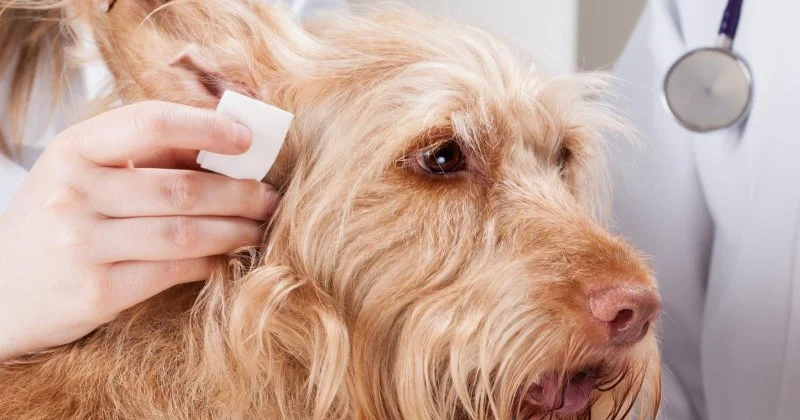
Ear infections in pets, particularly in dogs and cats, are a common health issue that many pet owners face. These infections can be uncomfortable for your pet and, if left untreated, can lead to more severe problems. Understanding how to recognize and treat ear infections is vital to ensuring your pet's well-being.
Ear infections can affect the outer, middle, or inner parts of the ear and can be caused by a variety of factors such as bacteria, fungi, or allergies. As a pet owner, it’s essential to be aware of the signs of ear infections and know how to treat them effectively.
2. Common Symptoms of Ear Infections
Recognizing the symptoms of an ear infection early on can make treatment more effective and prevent complications. Here are some common signs that your pet may have an ear infection:
- Head shaking: If your pet is frequently shaking their head, it could indicate irritation or discomfort in the ears.
- Scratching or rubbing ears: Pets with ear infections often scratch or rub their ears due to the itching and discomfort caused by the infection.
- Foul odor: A strong, unpleasant odor coming from your pet's ears is a common sign of a bacterial or fungal infection.
- Redness or swelling: Look for signs of redness or swelling inside the ear canal, which can indicate infection.
- Discharge: Any discharge from the ears, which may be yellow, brown, or bloody, is a strong indicator of an infection.
- Balance issues: In more severe cases, ear infections can affect your pet’s balance, causing them to walk unsteadily.
3. Causes of Ear Infections in Pets
Ear infections in pets can be caused by various factors, and it’s important to understand what might be contributing to your pet’s condition. The most common causes include:
- Bacterial infections: The most common cause of ear infections, bacterial infections can develop when bacteria get trapped in the ear canal, especially in pets with floppy ears or excess ear wax.
- Fungal infections: Fungi like yeast can grow in warm, moist environments and often lead to ear infections in pets, particularly dogs with long, floppy ears.
- Allergies: Allergies, whether environmental or food-related, can contribute to ear infections in pets by causing inflammation in the ear canal.
- Ear mites: These tiny parasites can infest the ears and cause itching, inflammation, and infection.
- Foreign objects: Small objects, dirt, or debris that get lodged in your pet's ear can lead to infections if not removed properly.
- Excessive moisture: Swimming or bathing your pet too often can cause moisture buildup in the ears, creating an environment conducive to infections.
4. How to Treat Ear Infections in Pets
Once you’ve identified the signs of an ear infection, it’s important to seek treatment to prevent the infection from worsening. Here’s how you can treat ear infections in your pet:
- Visit the vet: Always consult your veterinarian to confirm the diagnosis and receive appropriate treatment. The vet may prescribe antibiotics or antifungal medications, depending on the cause of the infection.
- Ear cleaning: Your vet will recommend an appropriate ear cleaner to use. Regularly cleaning your pet's ears can help remove excess wax and debris, reducing the likelihood of infections.
- Medications: If the infection is caused by bacteria or fungi, your vet will prescribe medication such as antibiotics or antifungal drops to treat the infection directly in the ear canal.
- Follow-up care: It's important to follow your vet’s instructions for medication and follow-up visits to ensure the infection has completely healed and to prevent recurrence.
5. Preventing Future Ear Infections in Pets
Preventing ear infections from recurring involves keeping your pet’s ears clean, dry, and free of irritants. Here are a few steps to help protect your pet’s ears:
- Regular ear cleaning: Clean your pet's ears regularly with a vet-approved ear cleaner to remove excess wax and dirt.
- Dry ears after baths: Always dry your pet’s ears thoroughly after they swim or bathe to prevent moisture buildup.
- Keep ears dry: For pets prone to infections, keeping their ears dry, especially in humid weather, can help prevent the growth of bacteria and yeast.
- Check for ear mites: Regularly check your pet’s ears for signs of ear mites or other parasites, which can cause infection.
- Manage allergies: If your pet suffers from allergies, work with your vet to manage their symptoms, as allergies can contribute to ear infections.
6. Conclusion
Ear infections in pets are common but can be easily treated with proper care and attention. By understanding the symptoms, causes, and treatments for ear infections, you can help your pet stay comfortable and healthy. Regular ear maintenance and quick veterinary intervention can prevent future infections and keep your furry friend’s ears in top condition.
For more tips on pet health and to find the best products for your pet, visit Brothers Pets for expert recommendations and advice.






 Cali Kid Corals4.0 (70 reviews)
 Irving Pet Hospital4.0 (397 reviews)
 Butner Veterinary Clinic4.0 (33 reviews)
 Morrison Animal Hospital: Smyth-Arkens Michele DVM5.0 (14 reviews)
 Sunshine Animal Hospital4.0 (347 reviews)
 Robbinsville Veterinary Clinic: Swiderski Edward VMD4.0 (130 reviews)
 Expert Advice on Emergency Pet Care Every Owner Should Know
 Common Signs of Arthritis in Senior Cats: What to Look For and How to Help
 How to Safely Trim Your Dog's Nails at Home
 How to Care for a Pet with Special Medical Needs
 Beginner's Guide to Pet Insurance: What Every Pet Owner Should Know
 Top 10 Tips for Pet Safety Every Owner Should Know