
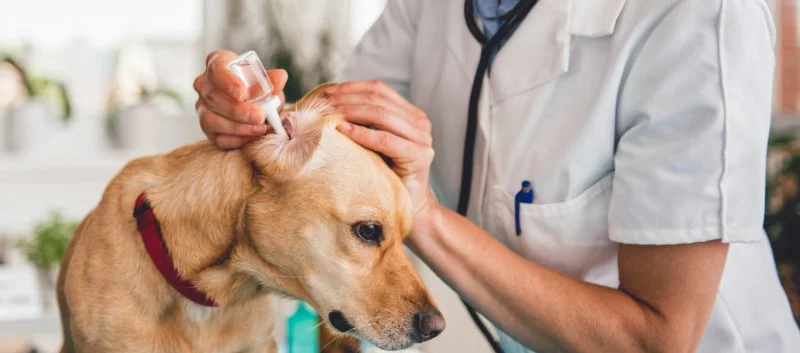
How to Safely Administer Ear Drops to Your Pet
- 1. Understanding the Importance of Ear Care for Pets
- 2. How to Safely Apply Ear Drops to Your Pet
- 3. Common Challenges and Tips for Administering Ear Drops
- 4. What to Do If Your Pet Rejects Ear Drops
- 5. Recommended Products for Pet Ear Care
1. Understanding the Importance of Ear Care for Pets
Proper ear care is crucial for pets, especially dogs and cats, as they can suffer from ear infections or irritations that cause discomfort and even lead to more serious health problems if left untreated. Pet ear infections are common and can be caused by a variety of factors such as allergies, bacteria, yeast, or even parasites. Regular ear care, including the use of ear drops, can help prevent these issues, ensuring your pet remains comfortable and healthy.
2. How to Safely Apply Ear Drops to Your Pet
Administering ear drops to your pet may seem challenging, but with the right approach, it can be a quick and easy process. Follow these steps to safely apply ear drops:
Step 1: Prepare the Ear Drops: Ensure you have the correct ear drops prescribed or recommended by your veterinarian. Shake the bottle if necessary and open the cap.
Step 2: Get Your Pet Comfortable: Calm your pet and make sure they’re in a position that allows easy access to their ears. Gently hold your pet still, either by holding their head or securing them in your lap if necessary.
Step 3: Lift the Ear: Gently lift your pet’s ear flap to expose the ear canal. This allows the ear drops to reach the affected area more effectively.
Step 4: Apply the Ear Drops: Hold the ear drop bottle above the ear canal and apply the recommended number of drops. Be sure not to touch the bottle to the ear to avoid contamination.
Step 5: Massage the Ear: After applying the drops, gently massage the base of the ear to help distribute the medication throughout the ear canal.
Step 6: Allow Your Pet to Shake: Let your pet shake their head gently, which can help distribute the medication and clear any excess fluid.
3. Common Challenges and Tips for Administering Ear Drops
While applying ear drops is a relatively simple procedure, it can be challenging if your pet is anxious or uncooperative. Here are some common challenges and tips to make the process easier:
Challenge 1: Pet Anxiety: Some pets are nervous about having their ears touched or are frightened by the ear drop bottle. To ease anxiety, use positive reinforcement, such as treats and gentle praise before and after the procedure. Start slowly by getting your pet accustomed to having their ears handled before applying the drops.
Challenge 2: Pet Resistance: If your pet struggles to stay still, try wrapping them in a towel to prevent sudden movements. Having a second person to help hold the pet still can also be useful.
Challenge 3: Difficulty Reaching the Ear: If your pet has long or floppy ears, it might be hard to see the ear canal. Make sure to carefully lift the ear to gain full access to the ear canal. You may also want to ask your vet for advice if your pet has particularly challenging ear anatomy.
4. What to Do If Your Pet Rejects Ear Drops
If your pet refuses to allow ear drops or struggles during the process, here are some solutions:
1. Use Treats: Offer your pet a treat immediately after applying the ear drops, making it a positive experience they will associate with rewards.
2. Ask Your Veterinarian: If your pet continues to resist, speak to your vet. They may recommend a different type of medication, such as a more palatable ear drop solution or even an alternative form of treatment like ear wipes.
3. Be Patient: Sometimes, pets need time to get used to the sensation. Don’t rush the process and take breaks if needed.
5. Recommended Products for Pet Ear Care
When it comes to pet ear care, choosing the right products is essential for safety and effectiveness. Here are a few highly recommended products for keeping your pet’s ears healthy:
- Vet-Recommended Ear Drops: Always consult your vet for the best ear drops for your pet’s condition. Look for options that are gentle yet effective.
- Ear Wipes: If your pet is sensitive to drops, consider using ear wipes, which are often easier to apply.
- Ear Cleaners: Regular ear cleaning can prevent infections. Make sure to choose pet-safe ear cleaning solutions recommended by your vet.
For the best products and recommendations, visit Brothers Pets to find the best pet ear care solutions available.



 Central Kentucky Animal Clinic4.0 (461 reviews)
 Pet Supermarket4.0 (1081 reviews)
 MONTEVALLO SKY'S L.L.C. PET BREEDER0.0 (0 reviews)
 VIP Petcare Vaccination Clinic0.0 (0 reviews)
 Walden Animal Clinic: Stephen Kelly DVM5.0 (10 reviews)
 Four Lakes Veterinary Clinic4.0 (184 reviews)
 How to Choose the Right Veterinarian for Your Pet's Health Needs
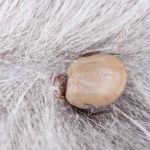 How to Prevent Tick-Borne Diseases in Cats: A Comprehensive Guide
 How to Make Mealtime Fun for Picky Dogs | Tips and Ideas
 How to Help Your Pet Recover from Surgery: Post-Op Care Tips
 Tips for Maintaining Proper Hydration in Dogs: Essential Care for Your Pet
 Is Your Seasonal Pet Care on Track? | Year-Round Wellness Tips for Pets