
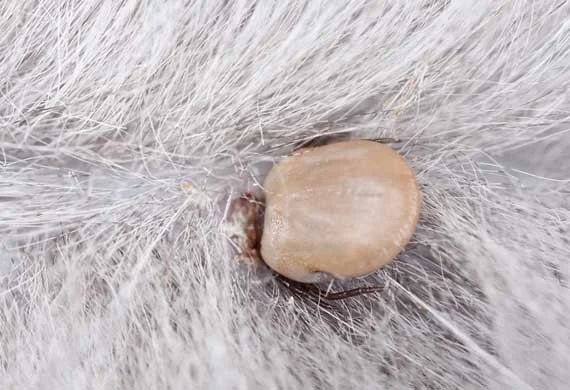
- 1. Understanding Tick-Borne Diseases in Cats
- 2. Preventive Measures for Cats
- 3. Tick Removal and Treatment for Cats
- 4. Case Study: Real-Life Example of Tick-Borne Disease in Cats
- 5. When to See a Veterinarian
1. Understanding Tick-Borne Diseases in Cats
Ticks are more than just a nuisance for your feline companions; they can carry serious diseases that can affect your cat's health. The most common tick-borne diseases in cats include Lyme disease, anaplasmosis, and babesiosis. These diseases are caused by bacteria or protozoa transmitted through tick bites, leading to symptoms like fever, lethargy, and joint pain.
One of the challenges with tick-borne diseases is that they can be difficult to diagnose. Symptoms may appear weeks after the tick bite, and many of the symptoms are common in other conditions. Therefore, knowing how to prevent ticks from infesting your cat is crucial in maintaining their overall health.
2. Preventive Measures for Cats
Prevention is the most effective way to protect your cat from tick-borne diseases. Here are some proven methods to keep ticks at bay:
- Tick Prevention Medications: There are various prescription and over-the-counter tick preventatives available for cats, including oral medications, topical treatments, and tick collars. Consult your veterinarian to find the best option for your cat.
- Avoid Tick-Infested Areas: Ticks are often found in wooded areas, tall grasses, and areas with heavy vegetation. If you live in an area known for tick activity, consider limiting your cat’s outdoor excursions or keeping them indoors during peak tick season.
- Regular Grooming: Frequent grooming helps detect ticks early before they have the chance to transmit diseases. Make sure to comb through your cat’s fur, paying special attention to their neck, ears, and underarms where ticks are commonly found.
- Keep Your Yard Tidy: If your cat spends time outside, ensure that your yard is well-maintained by cutting back tall grasses and clearing debris. This will minimize the habitats that attract ticks.
3. Tick Removal and Treatment for Cats
If your cat does get a tick, it’s important to remove it as quickly and safely as possible to reduce the risk of disease transmission. Here’s how you can remove a tick:
- Use Proper Tools: Use fine-tipped tweezers or a tick removal tool. Grasp the tick as close to the skin as possible without pinching your cat’s fur.
- Pull Slowly and Steadily: Gently pull the tick out, avoiding twisting or jerking, as this can leave parts of the tick embedded in the skin.
- Disinfect the Bite Area: Clean the bite site with rubbing alcohol or antiseptic to reduce the risk of infection.
- Dispose of the Tick: After removal, dispose of the tick in a sealed container or flush it down the toilet. Never squeeze the tick, as this may release harmful bacteria.
After tick removal, monitor your cat for signs of illness, such as fever, lethargy, or loss of appetite. If any symptoms appear, contact your veterinarian promptly.
4. Case Study: Real-Life Example of Tick-Borne Disease in Cats
To better understand the impact of tick-borne diseases, consider the story of a cat named Whiskers. Whiskers, a playful outdoor cat, started exhibiting symptoms like lethargy and joint pain after a particularly hot summer. Her owner noticed several ticks on her body but didn’t initially think much of it. After a week of worsening symptoms, Whiskers was diagnosed with Lyme disease, a serious tick-borne illness.
This case highlights the importance of timely prevention and regular tick checks. Whiskers’ owner learned the hard way that not addressing ticks early can lead to long-term health issues for cats. After treatment with antibiotics, Whiskers recovered, but this experience changed how her owner approached tick prevention from then on.
5. When to See a Veterinarian
If your cat shows signs of tick-borne disease, or if a tick bite occurs, it’s essential to consult with your veterinarian. Early intervention is key to ensuring the best outcome for your cat’s health. Signs to watch for include:
- Fever
- Loss of appetite
- Lethargy
- Joint pain or stiffness
- Skin irritation around the tick bite site
Timely veterinary care can help prevent the spread of infections and reduce the severity of symptoms, making it crucial not to delay seeking professional advice when necessary.
For more information on preventing tick-borne diseases and finding the best preventive products for your cat, visit Brothers Pets for the most suitable products, services, and advice.






 Vetco Vaccination Clinic4.0 (10 reviews)
 Reid Shufer, D.V.M.0.0 (0 reviews)
 Shallowford Animal Hospital4.0 (198 reviews)
 Pet Medical Center4.0 (439 reviews)
 Banfield Pet Hospital4.0 (286 reviews)
 Clovis Pet Hospital4.0 (360 reviews)
 How to Spot and Treat Canine Distemper: A Complete Guide for Pet Owners
 The Ultimate Guide to Pet Safety: Protecting Your Pet Every Day
 Common Mistakes in Pet Dental Care and How to Avoid Them
 How to Safely Clean Your Pet’s Toys and Accessories: Tips and Best Practices
 Preparing Your Pet for a New Baby in the Home: Tips for a Smooth Transition
 How to Identify and Treat Allergic Dermatitis in Cats | Expert Tips