
- 1 - What Is Feline Hyperthyroidism
- 2 - Common Symptoms to Watch For
- 3 - How Feline Hyperthyroidism Is Diagnosed
- 4 - Treatment Options Available
- 5 - A Real Case of Recovery
- 6 - Lifestyle and Ongoing Management
- 7 - Expert Insights and Professional Advice
- 8 - Where to Find Trusted Pet Support
1. What Is Feline Hyperthyroidism
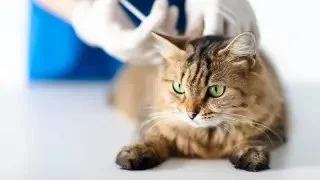
Feline hyperthyroidism is one of the most common endocrine disorders in older cats. It occurs when the thyroid gland produces excessive thyroid hormones, leading to an overactive metabolism. While it may sound like a complicated condition, understanding feline hyperthyroidism and treatment options can empower pet owners to take proactive steps for their cats’ health.
2. Common Symptoms to Watch For
The symptoms can vary, but most cats display noticeable behavioral and physical changes. These include rapid weight loss despite a good appetite, hyperactivity, vomiting, increased thirst, and a poor-looking coat. Many owners initially mistake these signs for normal aging, but recognizing them early is crucial for effective treatment.
3. How Feline Hyperthyroidism Is Diagnosed
Veterinarians typically diagnose this condition through a combination of physical exams, blood tests measuring thyroid hormone levels, and sometimes imaging. A thorough diagnosis ensures that the symptoms are not being caused by other illnesses such as diabetes or kidney disease, which may occur in senior cats as well.
4. Treatment Options Available
Treatment options for feline hyperthyroidism range from medication to more advanced solutions. Daily oral or transdermal medications are commonly prescribed to control hormone production. Radioactive iodine therapy is considered the gold standard, as it offers a potential cure by targeting overactive thyroid cells. In some cases, surgery to remove the affected gland may be recommended. Each treatment has its pros and cons, and the best choice depends on the cat’s age, overall health, and owner’s lifestyle.
5. A Real Case of Recovery
A widely shared story online involved a 13-year-old cat from California named Molly. Her owners noticed she was losing weight despite eating constantly. After diagnosis, Molly received radioactive iodine therapy, and within months her energy levels stabilized. The case highlighted how proper treatment and attentive care can dramatically improve quality of life for senior cats.
6. Lifestyle and Ongoing Management
Managing a cat with hyperthyroidism doesn’t end with treatment. Regular veterinary check-ups, consistent medication when required, and careful monitoring of diet are essential. Specialized low-iodine diets are sometimes recommended, though they must be strictly followed. Pet owners also find that keeping a close eye on changes in behavior helps catch any recurring issues early.
7. Expert Insights and Professional Advice
Veterinary experts emphasize that early detection and individualized care plans are the key to success. Not every cat responds the same way, and treatment must be tailored to their unique needs. Owners are encouraged to ask questions, understand the side effects of treatments, and stay engaged in their pet’s care journey.
8. Where to Find Trusted Pet Support
For pet owners seeking reliable guidance, Brothers Pets offers resources, products, and services that can make managing feline hyperthyroidism easier. From specialty diets to wellness support, having access to trusted care partners ensures that cats not only survive but thrive despite this common condition.






 Modern Animal4.0 (110 reviews)
 Brykerwood Veterinary Clinic4.0 (253 reviews)
 Woodbury Animal Hospital4.0 (180 reviews)
 Moon Veterinary Hospital4.0 (394 reviews)
 East Holmes Veterinary Clinic4.0 (37 reviews)
 Mike's Mobile Veterinary Service4.0 (164 reviews)
 How to Reduce Anxiety in Dogs During Car Rides | Proven Tips
 Best Practices for Crate Training Your Puppy
 How to Improve Your Pet’s Dental Health: Expert Tips and Daily Care
 How to Identify and Treat Allergic Dermatitis in Cats – Guide for Pet Owners
 The Ultimate Guide to Pet Training: Tips, Tools & Expert Advice
 How to Identify and Treat Flea Bites on Cats – Effective Care Tips