
- 1 - Signs of Flea Bites on Cats
- 2 - Differentiating Flea Bites from Other Skin Issues
- 3 - Treating Flea Bites on Cats Safely
- 4 - Real-Life Case of a Cat with Flea Bites
- 5 - Preventing Future Infestations
- 6 - How Brothers Pets Supports Cat Owners
1 - Signs of Flea Bites on Cats
Recognizing flea bites early can make a significant difference in your cat’s comfort and health. Flea bites on cats often appear as small red bumps, usually clustered around the neck, back, and hind legs. Cats may respond by scratching, licking, or biting the irritated areas. Persistent scratching is one of the most visible indicators. In some cases, hair loss or scabs may form if the bites remain untreated.
2 - Differentiating Flea Bites from Other Skin Issues
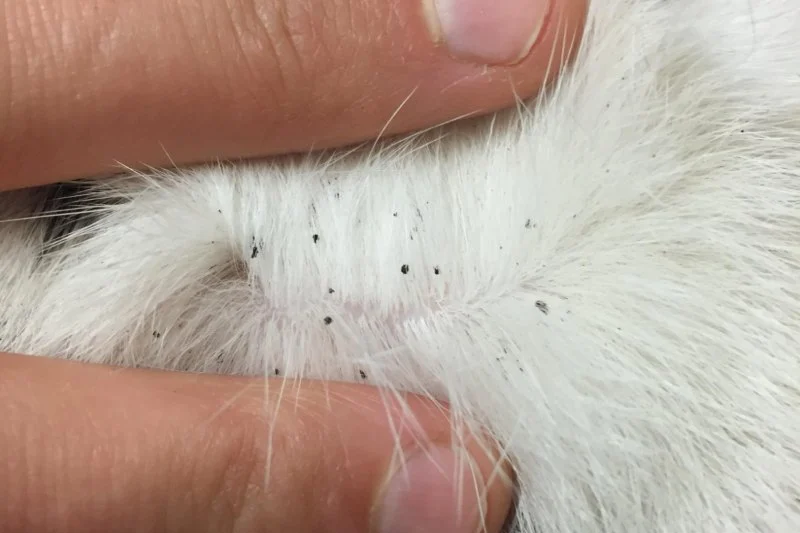
Not every skin irritation is caused by fleas, which makes it important for pet owners to distinguish flea bites from allergies or other conditions. Flea bites typically have a concentrated pattern, while allergies may present as widespread rashes. A practical tip is to check your cat’s fur for flea dirt, which looks like tiny black specks. If you place this debris on a damp tissue, it often turns reddish-brown, confirming the presence of fleas.
3 - Treating Flea Bites on Cats Safely
Treatment should focus on both soothing the bites and eliminating the fleas themselves. Veterinarians often recommend topical ointments to relieve itching and inflammation. Bathing your cat with a veterinarian-approved flea shampoo can also reduce irritation and kill existing fleas. Oral or topical flea preventatives may be prescribed to break the flea life cycle. Owners should avoid using human creams or over-the-counter remedies not intended for cats, as these can be harmful.
4 - Real-Life Case of a Cat with Flea Bites
Consider the story of Luna, a rescue cat in Texas. Her owner noticed bald patches and constant scratching. After a vet visit, flea bites were confirmed. With prescribed medication and a thorough cleaning of her living environment, Luna’s condition improved within two weeks. This case illustrates that identifying and treating flea bites on cats promptly prevents long-term discomfort and secondary infections.
5 - Preventing Future Infestations
Prevention is just as important as treatment. Regularly washing bedding, vacuuming carpets, and using flea control products recommended by a vet can keep fleas from returning. Outdoor cats are at higher risk, so consistent preventative care is crucial. Many owners also invest in year-round flea prevention solutions, which are particularly effective in warmer states where flea populations thrive year-round.
6 - How Brothers Pets Supports Cat Owners
Brothers Pets helps pet owners access trusted flea prevention products, shampoos, and soothing treatments. Whether you are dealing with an active flea problem or seeking preventive care, the platform connects you with reliable resources to keep your cat healthy. By choosing the right products, cat owners can provide their pets with long-term comfort and peace of mind.






 Modern Animal4.0 (110 reviews)
 Brykerwood Veterinary Clinic4.0 (253 reviews)
 Woodbury Animal Hospital4.0 (180 reviews)
 Moon Veterinary Hospital4.0 (394 reviews)
 East Holmes Veterinary Clinic4.0 (37 reviews)
 Mike's Mobile Veterinary Service4.0 (164 reviews)
 How to Reduce Anxiety in Dogs During Car Rides | Proven Tips
 Best Practices for Crate Training Your Puppy
 How to Improve Your Pet’s Dental Health: Expert Tips and Daily Care
 How to Identify and Treat Allergic Dermatitis in Cats – Guide for Pet Owners
 The Ultimate Guide to Pet Training: Tips, Tools & Expert Advice
 How to Identify and Treat Flea Bites on Cats – Effective Care Tips