
- 1 - Why Tick Prevention is Crucial for Dogs
- 2 - Understanding Ticks and Their Dangers
- 3 - Effective Tick Prevention Strategies for Dogs
- 4 - Natural Solutions for Tick Control
- 5 - Professional Tick Prevention Options for Dogs
- 6 - Post-Tick Removal Care and Monitoring
1 - Why Tick Prevention is Crucial for Dogs
Ticks are not only an annoying nuisance for dogs but also a serious health threat. They can carry a variety of diseases such as Lyme disease, Rocky Mountain spotted fever, and anaplasmosis, which can be harmful to both pets and humans. Effective tick prevention is crucial to maintaining your dog's health and minimizing the risk of these illnesses. Understanding how to protect your dog from ticks is vital for any responsible pet owner, especially if you live in tick-prone areas.
2 - Understanding Ticks and Their Dangers
Ticks are small parasitic arachnids that latch onto animals, feeding on their blood. They are most active during warmer months and thrive in wooded or grassy areas. Ticks can easily attach to a dog’s fur while they are walking or playing outside, and remain hidden in their coat, often going unnoticed. Once attached, ticks can transmit harmful pathogens to your dog, causing infections that may lead to serious health complications if left untreated.
Some common diseases transmitted by ticks include:
- Lyme disease: A bacterial infection that can lead to joint pain, fever, and even kidney failure.
- Rocky Mountain spotted fever: A bacterial infection that causes symptoms such as fever, vomiting, and muscle pain.
- Anaplasmosis: A disease that can cause lameness, loss of appetite, and lethargy in dogs.
3 - Effective Tick Prevention Strategies for Dogs
There are several tick prevention strategies that you can use to keep your dog safe. A combination of proactive measures is the most effective approach:
- Tick Preventative Medications: These medications come in various forms, including oral tablets, topical treatments, and collars. They work by killing ticks before they can attach and spread diseases. Consult with your vet to determine the best option for your dog’s health and lifestyle.
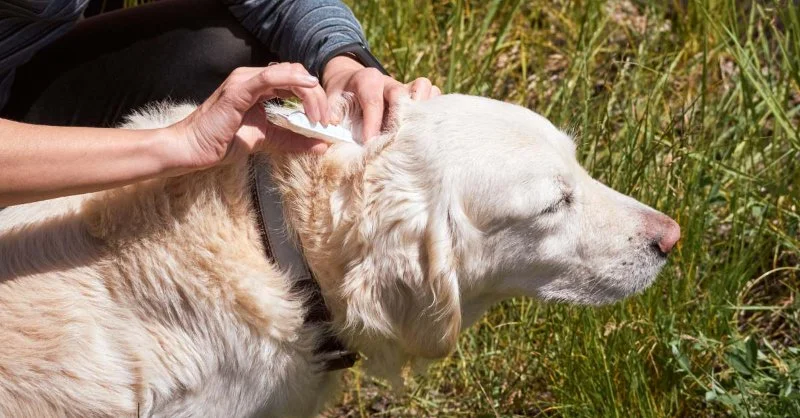
- Regular Grooming and Tick Checks: Brush your dog regularly, especially after spending time outdoors. This helps remove any ticks that might be hiding in their fur. Perform thorough tick checks, especially around the ears, neck, and underbelly, where ticks tend to latch on.
- Maintain a Tidy Yard: Keeping your yard free of tall grasses, weeds, and brush reduces tick habitats. Consider using tick-repellent landscaping treatments to keep your yard safer for your dog.
4 - Natural Solutions for Tick Control
If you prefer natural remedies for tick prevention, there are several options that can help keep ticks away without harsh chemicals. Some popular natural tick prevention methods include:
- Essential Oils: Certain essential oils, such as eucalyptus, peppermint, and citronella, are natural tick repellents. You can make a DIY tick spray by diluting essential oils with water and applying it to your dog's coat.
- Herbal Supplements: Some herbs, such as garlic and rosemary, are believed to have tick-repellent properties. However, always consult with your vet before adding any supplements to your dog’s diet.
- Apple Cider Vinegar: Some pet owners use diluted apple cider vinegar as a spray or add it to their dog's water to help repel ticks. Again, consult with a vet to ensure it's safe for your pet.
5 - Professional Tick Prevention Options for Dogs
In addition to home remedies, there are professional treatments that your vet can recommend to ensure maximum protection from ticks. These treatments are typically more potent and provide longer-lasting results:
- Prescription Tick Preventatives: Some prescription medications offer superior protection against ticks and other parasites. These are often stronger than over-the-counter options and are specifically formulated for your dog's needs.
- Veterinary Treatments: Vets may recommend certain treatments or vaccines that target specific tick-borne diseases, further reducing your dog’s risk of infection.
6 - Post-Tick Removal Care and Monitoring
If you find a tick on your dog, it’s essential to remove it as soon as possible to minimize the risk of disease transmission. Here’s how to safely remove a tick:
- Use fine-tipped tweezers or a tick removal tool to grasp the tick close to the skin.
- Pull gently and steadily without twisting, as twisting can cause parts of the tick to break off and remain embedded in the skin.
- Once the tick is removed, clean the bite area with antiseptic, and dispose of the tick properly.
After removal, keep an eye on your dog for the next few weeks. If you notice symptoms such as lethargy, loss of appetite, or fever, contact your vet for further evaluation and possible treatment.
For more effective tick prevention solutions and to explore high-quality tick treatments for dogs, visit Brothers Pets, where we offer the best products to keep your dog protected all year long.






 Paddy's Run Veterinary Care4.0 (98 reviews)
 Vetco Vaccination Clinic4.0 (21 reviews)
 Animal Hospice of Mid-Michigan3.0 (2 reviews)
 Tillie Lake Veterinary Clinic4.0 (323 reviews)
 VCA Highlands Animal Hospital4.0 (552 reviews)
 Four Paws Animal Hospital4.0 (76 reviews)
 The Benefits of Regular Exercise for Your Pet's Physical and Mental Health
 How to Spot and Treat Common Digestive Problems in Pets
 How to Recognize and Treat Skin Allergies in Cats: Expert Tips for Pet Owners
 Tips for Reducing Stress in Cats During Vet Visits
 How to Prevent Flea Infestations in Cats Year-Round
 Top Puppy Training Mistakes and How to Avoid Them