
- 1- Understanding Skin Infections Caused by Fungi or Bacteria
- 2- Symptoms of Skin Infections Caused by Fungi or Bacteria
- 3- How to Spot Fungal Skin Infections
- 4- How to Spot Bacterial Skin Infections
- 5- Treating Skin Infections Caused by Fungi or Bacteria
- 6- Prevention of Skin Infections
1- Understanding Skin Infections Caused by Fungi or Bacteria
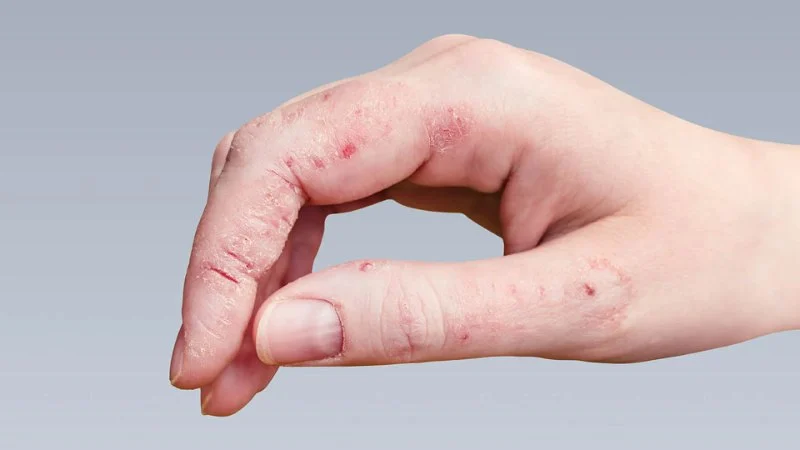
Skin infections caused by fungi or bacteria are common and can affect people of all ages. These infections can range from mild rashes to more serious conditions that require medical attention. Fungal infections, such as athlete's foot or ringworm, are caused by various types of fungi that thrive in warm, moist environments. Bacterial infections, on the other hand, are typically caused by bacteria such as Staphylococcus or Streptococcus, which can enter the skin through cuts or abrasions.
While both types of infections can cause similar symptoms, they require different treatments, so it's important to know how to identify them. In this article, we'll help you understand how to spot and treat skin infections caused by fungi or bacteria, and provide tips for preventing future occurrences.
2- Symptoms of Skin Infections Caused by Fungi or Bacteria
Recognizing the symptoms of a skin infection early is crucial for effective treatment. Both fungal and bacterial skin infections can cause a range of symptoms, including:
1. Redness and Inflammation
Redness and swelling are common signs of both fungal and bacterial infections. The infected area may appear inflamed and tender to the touch. In some cases, the skin may feel warm or hot.
2. Itching or Pain
Itching is often a prominent symptom of fungal infections, particularly in conditions like athlete's foot or jock itch. Bacterial infections can also cause discomfort and pain, especially if the infection spreads or forms an abscess.
3. Pus or Discharge
Bacterial infections, particularly those caused by Staphylococcus, may result in the formation of pus or fluid-filled blisters. These are often signs that the infection has reached a more serious stage and may require medical intervention.
4. Scales, Crusts, or Peeling Skin
Fungal infections often lead to the formation of scales, crusts, or peeling skin, especially on the feet, scalp, or groin. These symptoms can worsen over time if not treated properly.
3- How to Spot Fungal Skin Infections
Fungal skin infections are caused by the overgrowth of fungi, and they tend to thrive in warm, moist areas. Here are some common fungal infections and their symptoms:
1. Athlete's Foot (Tinea Pedis)
Athlete’s foot is one of the most common fungal infections, usually affecting the feet. It often starts between the toes and causes itching, redness, peeling, and cracks in the skin. The infection can spread to the toenails and cause discoloration and thickening.
2. Ringworm (Tinea Corporis)
Ringworm is a highly contagious fungal infection that forms round, red, itchy patches with raised edges, resembling a ring. It can appear anywhere on the body, including the scalp, and may cause hair loss in the affected areas.
3. Jock Itch (Tinea Cruris)
Jock itch affects the groin area and is more common in men. The infection causes itching, redness, and a rash with well-defined edges. The area may also become sore and inflamed if left untreated.
4- How to Spot Bacterial Skin Infections
Bacterial skin infections can occur when harmful bacteria, such as Staphylococcus or Streptococcus, invade the skin through cuts, abrasions, or hair follicles. The most common bacterial skin infections include:
1. Impetigo
Impetigo is a highly contagious bacterial infection that typically affects children. It causes red sores, often around the nose and mouth, which can burst and form honey-colored crusts. This condition is common in warm, humid environments.
2. Cellulitis
Cellulitis is a deep skin infection that causes redness, swelling, and warmth in the affected area. The infection can spread rapidly and may cause fever and chills. Cellulitis is usually caused by bacteria entering through a cut or break in the skin.
3. Folliculitis
Folliculitis occurs when hair follicles become infected with bacteria, leading to the formation of red, itchy bumps that resemble pimples. These bumps may be filled with pus and can occur anywhere on the body where hair grows.
5- Treating Skin Infections Caused by Fungi or Bacteria
Treating skin infections caused by fungi or bacteria requires the right approach to ensure effective healing and prevent complications. The treatment options vary depending on whether the infection is fungal or bacterial.
1. Treating Fungal Infections
Fungal skin infections are usually treated with antifungal medications. Over-the-counter creams, ointments, or sprays, such as clotrimazole or terbinafine, can help clear up mild fungal infections. For more severe cases, a doctor may prescribe oral antifungal medications. It’s important to follow the instructions carefully and continue treatment for the full duration, even if symptoms improve.
2. Treating Bacterial Infections
Bacterial skin infections are typically treated with antibiotics. Mild cases can often be treated with topical antibiotics like Neosporin, while more severe infections may require oral antibiotics. If the infection is severe or doesn’t improve with treatment, a healthcare professional may need to drain any abscesses or prescribe stronger antibiotics.
6- Prevention of Skin Infections
Preventing skin infections caused by fungi or bacteria is essential for maintaining healthy skin. Here are some tips to help reduce the risk of infection:
1. Keep Your Skin Clean and Dry
Fungi and bacteria thrive in warm, moist environments. To prevent infections, wash your skin regularly with soap and water, especially after sweating or exposure to damp conditions. Make sure to dry your skin thoroughly, particularly in areas like the feet, groin, and armpits.
2. Avoid Sharing Personal Items
Fungal and bacterial infections can spread through contact with contaminated items. Avoid sharing towels, razors, or personal grooming tools, especially in public places like gyms or swimming pools.
3. Wear Loose-Fitting, Breathable Clothing
Wearing tight, non-breathable clothing can create a warm and damp environment that encourages fungal growth. Opt for loose-fitting clothes made from natural fibers like cotton to keep your skin dry and healthy.
4. Treat Skin Injuries Promptly
Any cuts, abrasions, or insect bites should be cleaned and treated promptly to prevent bacteria from entering the skin. Use an antiseptic ointment and bandage the wound to keep it clean and protected.
If you are dealing with skin infections or need advice on prevention and treatment, visit Brothers Pets for the best skin care products and resources to support your health and well-being.






 Grimm Tails Veterinary4.0 (147 reviews)
 Heartstrings Pet Hospice In-Home Euthanasia & Aftercare - Houston5.0 (1 reviews)
 Banfield Pet Hospital3.0 (108 reviews)
 Burleson Equine Hospital4.0 (82 reviews)
 Good Neighbor Vet5.0 (2 reviews)
 North Shore Veterinary Hospital4.0 (324 reviews)
 The Ultimate Guide to Pet Behavior: Understanding and Training Tips
 What Every Pet Owner Should Know About Parasite Prevention
 The Dos and Don'ts of Pet Behavior: Expert Tips for Training and Bonding
 Human Foods That Are Surprisingly Safe for Dogs
 Common Mistakes in Pet Behavior and How to Avoid Them
 How to Introduce a New Puppy or Kitten to Your Older Pet: Tips for a Smooth Transition