
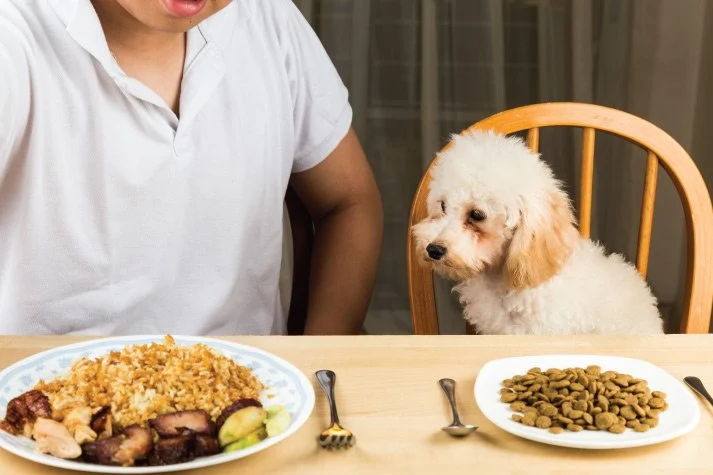
- 1-Why Dogs Can Eat Certain Human Foods
- 2-Safe Human Foods for Dogs
- 3-Foods to Avoid Feeding Dogs
- 4-How to Introduce New Foods to Your Dog
- 5-Benefits of Sharing Human Foods with Dogs
1. Why Dogs Can Eat Certain Human Foods
Many pet owners wonder whether it’s safe to share human food with their dogs. While there are certain foods that should be avoided, many human foods are actually safe and even beneficial for dogs. The key is to understand the nutritional needs of dogs and choose foods that complement their diet.
Dogs are omnivores, meaning they can consume both animal and plant-based foods. However, their digestive system is different from ours. Some human foods are safe because they’re easily digestible, contain nutrients that dogs need, and don’t pose any risk of toxicity. However, it’s important to consult your veterinarian before introducing any new foods into your dog’s diet to ensure they are appropriate for your dog’s specific health needs.
2. Safe Human Foods for Dogs
Here are some surprising human foods that are safe for dogs and can even be beneficial when given in moderation:
2.1 Carrots
Carrots are a great, low-calorie snack that dogs love. They are packed with vitamins and fiber, which support digestion and promote healthy skin and coat. Raw carrots also help clean dogs' teeth, as the crunchy texture can scrape away plaque.
2.2 Apples
Apples are rich in fiber and vitamin C, making them a healthy treat for dogs. They also help freshen your dog’s breath. Just be sure to remove the seeds and core before offering an apple to your dog, as the seeds contain cyanide, which is toxic to dogs in large quantities.
2.3 Peanut Butter
Peanut butter is a popular treat for dogs, thanks to its protein and healthy fats. It’s also a great source of vitamins B and E. When giving peanut butter to dogs, make sure it’s unsweetened and free of xylitol, a sugar substitute that’s toxic to dogs. A small spoonful of peanut butter can be a fun treat or used to fill a Kong toy to keep your dog entertained.
2.4 Plain Rice
Plain cooked rice is gentle on your dog’s stomach and can be used to help settle an upset stomach. It’s easy to digest and can be paired with lean protein like chicken for a bland, simple meal when your dog is feeling under the weather.
2.5 Bananas
Bananas are a great source of potassium, fiber, and vitamins B6 and C. They are low in fat and cholesterol, making them a safe and healthy treat for dogs. Just like apples, bananas should be given in moderation due to their natural sugar content.
2.6 Sweet Potatoes
Sweet potatoes are rich in fiber, vitamins, and antioxidants. They support digestion and contribute to a healthy coat. You can offer sweet potatoes cooked and mashed or as a crunchy treat. Just make sure they are plain and not seasoned with any harmful ingredients like butter or spices.
3. Foods to Avoid Feeding Dogs
While there are many human foods that are safe for dogs, there are also several foods that can be harmful or toxic. Here are some foods to avoid:
3.1 Chocolate
Chocolate contains theobromine, which is toxic to dogs. Even small amounts of chocolate can cause symptoms like vomiting, diarrhea, seizures, and in extreme cases, death. Dark chocolate contains higher levels of theobromine, so it’s especially dangerous to dogs.
3.2 Grapes and Raisins
Grapes and raisins can cause kidney failure in dogs, even in small amounts. It’s unclear why some dogs are affected while others are not, but it’s safest to avoid feeding your dog grapes or raisins entirely.
3.3 Onions and Garlic
Onions and garlic contain compounds that can damage a dog’s red blood cells, leading to anemia. Cooking these foods does not eliminate the risk, so it’s important to keep them out of your dog’s diet.
3.4 Alcohol
Alcohol is extremely toxic to dogs and can cause serious health issues like liver failure, difficulty breathing, and even death. Never give your dog any alcohol, and make sure to keep alcoholic beverages out of their reach.
3.5 Xylitol
Xylitol is a sugar substitute found in sugar-free gum, candy, and baked goods. It is highly toxic to dogs and can cause a rapid insulin release, leading to hypoglycemia (low blood sugar), seizures, and liver failure. Always check ingredient labels before giving your dog any human food that may contain xylitol.
4. How to Introduce New Foods to Your Dog
When introducing new human foods to your dog, it’s important to do so gradually to ensure they don’t experience digestive upset. Here are some tips for safely introducing new foods:
4.1 Start Small
Begin with a small amount of the new food to see how your dog reacts. If they show no signs of digestive discomfort, you can gradually increase the portion size.
4.2 Monitor for Reactions
Keep an eye on your dog after introducing a new food. If they experience any signs of gastrointestinal upset, such as vomiting, diarrhea, or excessive gas, stop feeding them that food and consult your veterinarian.
4.3 Avoid Overfeeding
Human foods should only be given as treats, not as a main part of your dog’s diet. Too many treats can lead to weight gain and other health issues. Stick to recommended portion sizes and ensure that the majority of your dog’s nutrition comes from their regular dog food.
5. Benefits of Sharing Human Foods with Dogs
Sharing safe human foods with your dog can have several benefits, provided they are given in moderation:
5.1 Strengthens the Bond
Sharing food with your dog can help strengthen your bond and deepen your relationship with your furry friend. Dogs enjoy being part of family activities, and giving them a special treat can make them feel included and loved.
5.2 Adds Variety to Their Diet
Incorporating safe human foods can provide your dog with a variety of flavors and nutrients that complement their regular dog food. This can help keep them interested in their meals and provide extra vitamins and minerals.
5.3 Promotes Healthy Digestion
Many human foods like carrots, sweet potatoes, and apples contain fiber, which can support healthy digestion. These foods can be great additions to your dog’s diet, especially if they need extra help with digestion or weight management.
For more advice on feeding your dog healthy human foods and finding the best pet care products, visit Brothers Pets for trusted recommendations and expert advice.





 Inman Park Animal Hospital4.0 (562 reviews)
 VCA Miller-Robertson Animal Hospital4.0 (86 reviews)
 Freehaven Farm Limited5.0 (2 reviews)
 Snider Veterinary Services4.0 (541 reviews)
 Veterinary Services of Pawtucket4.0 (145 reviews)
 All Pets Animal Hospital & Rehabilitation Center4.0 (679 reviews)
 Pet Aging: What Vets Want You to Know for Better Senior Pet Care
 The Importance of Regular Grooming for Your Pet
 What to Do If Your Pet Has a Cut or Wound: First Aid Tips
 Understanding Canine Eye Disorders and Prevention – Essential Information for Dog Owners
 How to Properly Handle and Manage Pet Health Records – A Complete Guide
 Understanding Pet Parasites: Prevention and Treatment