
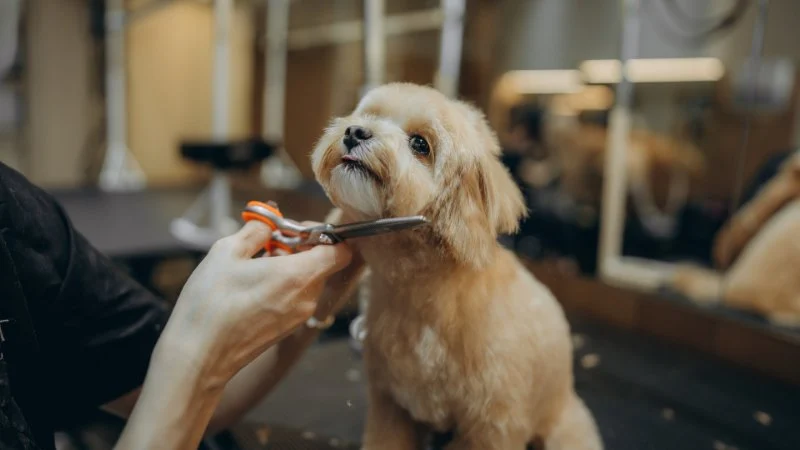
The Importance of Regular Grooming for Your Pet
As a pet owner, you want your furry friend to be healthy, happy, and comfortable. While feeding them nutritious food and ensuring they get plenty of exercise are essential, one often overlooked aspect of their well-being is grooming. Regular grooming isn’t just about keeping your pet looking good – it’s vital for their overall health and happiness. In this article, we’ll explore why regular grooming is important, the benefits it provides, and how you can ensure your pet is groomed properly.
1. Grooming Enhances Your Pet’s Health
Regular grooming is more than just a beauty regimen for your pet. It plays an important role in their health. Here’s why grooming should be part of your pet care routine:
- Prevents Skin Issues: Pets can develop skin problems such as infections, allergies, or irritations if their coat isn’t properly cared for. Regular brushing helps remove dirt, debris, and loose hair, reducing the risk of matting, which can lead to skin irritation.
- Detects Health Problems Early: Grooming gives you the chance to check for signs of skin conditions, parasites, lumps, and other health concerns that might otherwise go unnoticed. Regular brushing allows you to spot these issues early, leading to faster intervention.
- Improves Circulation: Brushing helps stimulate the blood flow to your pet’s skin, promoting healthier fur and overall well-being.
2. Promotes a Clean and Shiny Coat
One of the most noticeable benefits of regular grooming is the condition of your pet’s coat. Grooming not only removes loose hair but also distributes natural oils from the skin, which keeps the fur shiny and smooth. This process helps to reduce shedding, which can be a big plus for pet owners dealing with allergies or wanting to keep their home clean.
For long-haired pets, grooming is especially important to prevent matting, which can cause discomfort and even restrict movement. Regular grooming sessions ensure your pet’s fur remains tangle-free, soft, and healthy.
3. Reduces the Risk of Fleas and Ticks
Fleas and ticks are common problems for pets, especially those that spend time outdoors. Regular grooming helps to remove these pests and check for any infestations. By combing through your pet’s coat, you can spot fleas, ticks, and other external parasites early, preventing further health issues.
If you live in an area where fleas and ticks are common, consider using a flea comb or other grooming tools designed to remove pests. Regular checks during grooming help keep your pet protected from these harmful parasites.
4. Prevents Nail Overgrowth
While grooming, don’t forget about your pet’s nails. Overgrown nails can be painful for your pet, affecting their posture and movement. For dogs, especially larger breeds, long nails can cause discomfort and even lead to joint problems.
Regular nail trimming is essential for your pet’s mobility and overall comfort. If you’re unsure how to trim your pet’s nails, it’s always a good idea to consult with a professional groomer or veterinarian.
5. Provides a Bonding Experience
Grooming can also be a special bonding activity between you and your pet. Spending quality time brushing your pet’s fur, cleaning their ears, or trimming their nails helps build trust and reinforces your relationship. For many pets, grooming sessions are a time to relax and enjoy your attention, which makes them feel safe and cared for.
Some pets, especially those that are shy or nervous, might find grooming stressful. If this is the case with your pet, try to make grooming a positive experience by using treats, gentle handling, and patience. Over time, your pet will begin to associate grooming with relaxation and affection.
6. How Often Should You Groom Your Pet?
The frequency of grooming depends on your pet’s breed, coat type, and activity level. Here’s a general guideline:
- Dogs: Long-haired breeds may need grooming every 4-6 weeks, while short-haired dogs can often be groomed less frequently, perhaps once a month.
- Cats: Long-haired cats, such as Persians, require grooming 2-3 times a week, while short-haired cats typically need grooming once a week.
- Exotic Pets: Pets like rabbits, guinea pigs, and ferrets also benefit from regular grooming, although the frequency will depend on their specific breed.
While regular grooming is important, it’s also essential to consider your pet’s comfort and temperament. Some pets may require more frequent grooming during shedding seasons or after spending time outdoors.
7. When to Seek Professional Grooming Services
While many pet grooming tasks can be done at home, some pets may require professional grooming. If you’re unsure how to trim nails, clean ears, or deal with tangled hair, a professional groomer can provide expert care. Additionally, some pets may need a bath, special coat treatment, or other grooming services that require specialized tools.
For more information on grooming tools, products, and expert services, visit Brothers Pets to find the best products and services for your pet's grooming needs.
8. Conclusion
Regular grooming is an essential part of keeping your pet healthy, happy, and comfortable. Whether you're brushing your pet's coat, trimming nails, or checking for skin problems, grooming helps ensure your pet stays in the best shape possible. Make grooming a regular part of your pet care routine, and you’ll both benefit from the positive effects.



 Pet Supermarket4.0 (493 reviews)
 Companion Animal Care Clinic4.0 (174 reviews)
 Ivy Pets - Midwood4.0 (241 reviews)
 Dewberry Hill Veterinary Hospital4.0 (69 reviews)
 Chuck & Don's Pet Food & Supplies4.0 (380 reviews)
 The Cat Hospital4.0 (108 reviews)
 Understanding Canine Skin Allergies and Treatments for Healthier Dogs
 Expert Advice on Veterinary Care: Essential Tips for Pet Owners
 Ways to Keep Your Dog Entertained When Home Alone
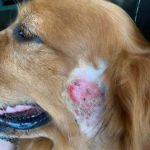 How to Spot and Treat Hot Spots on Dogs
 Is Your Pet Insurance Coverage on Track?
 How to Spot and Treat Common Digestive Problems in Pets