
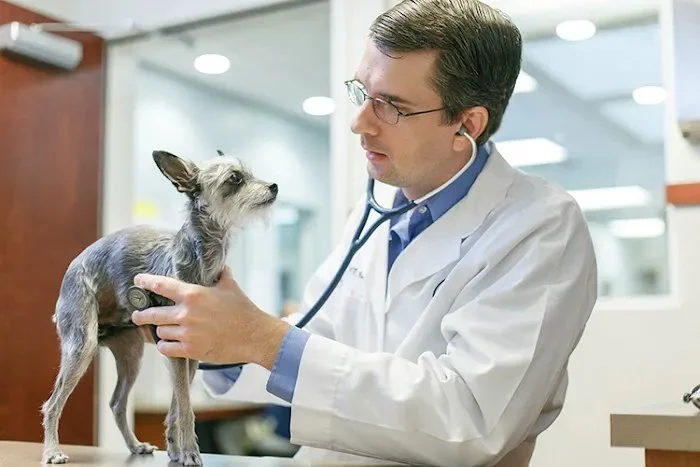
Expert Advice on Veterinary Care: Essential Tips for Pet Owners
As pet owners, we all want our furry companions to live long, healthy lives. However, navigating the complexities of pet care can sometimes be overwhelming, especially when it comes to health concerns and preventive care. That’s where expert veterinary advice comes in. In this guide, we’ll provide essential tips and insights from experienced veterinarians, covering everything from regular check-ups to handling medical emergencies. Whether you’re a new pet parent or a seasoned owner, this advice will help you ensure your pet’s well-being.
1. The Role of Expert Veterinary Care
Veterinary care is critical for maintaining the health and happiness of your pet. Veterinarians are trained professionals who can diagnose illnesses, provide treatments, and give advice on preventing common health issues. Regular visits to the vet help catch problems early, before they become serious or harder to treat.
In rural communities, access to veterinary care can be limited, but this doesn’t mean that expert advice should be inaccessible. Thanks to advancements in telemedicine, online consultations with veterinarians have become more popular, giving rural pet owners the ability to receive expert guidance without leaving home.
2. Why Regular Check-Ups Are Essential for Pet Health
One of the most important aspects of veterinary care is scheduling regular check-ups. Just like humans, pets need routine visits to monitor their health. These check-ups often include vaccinations, parasite control, dental care, and physical exams. Routine visits to the vet help detect early signs of illness and ensure that your pet is healthy.
For pets in rural areas, where the nearest veterinary clinic may be miles away, regular check-ups may seem difficult to manage. However, many mobile veterinary services and telemedicine options can help bridge this gap. These services can conduct remote consultations or even bring professional care directly to your home, making it easier to stay on top of your pet’s health needs.
3. Preventive Care and Health Maintenance for Pets
Preventive care is a key focus of veterinary advice, ensuring that your pet remains healthy and free from diseases. Here are a few important preventive measures every pet owner should consider:
1. Vaccinations
Vaccines are crucial for protecting pets against preventable diseases, such as rabies, distemper, and parvovirus. Veterinarians will recommend a vaccination schedule based on your pet’s age, breed, and lifestyle. For pets in rural areas, the risk of diseases may be different due to local wildlife, making it even more important to stay up-to-date on vaccinations.
2. Parasite Prevention
Parasites like fleas, ticks, and heartworms can cause serious health issues if left untreated. Regular treatments, such as flea and tick preventatives or heartworm medication, are essential to keeping your pet comfortable and disease-free. Your veterinarian can guide you on the best products for your pet's specific needs.
3. Nutritional Support
A balanced diet is vital for your pet’s health. Veterinarians often recommend specific foods or supplements based on your pet's age, breed, and health status. For pets in rural areas, where access to specialty foods may be limited, your vet can provide advice on affordable, healthy options that can be easily found in local stores or delivered to your home.
4. Managing Common Pet Health Issues
Just like humans, pets can develop health issues over time. Common concerns include dental problems, obesity, allergies, and chronic conditions like arthritis. Managing these issues early on can improve your pet’s quality of life and prevent long-term complications. Here’s what to watch for:
1. Dental Care
Dental disease is one of the most common health problems in pets, especially as they age. Regular brushing, dental check-ups, and professional cleanings can prevent painful oral conditions. If left untreated, dental issues can lead to more serious health problems, such as heart disease.
2. Weight Management
Obesity is a growing concern in pets, and it can lead to conditions such as diabetes, joint problems, and reduced lifespan. Regular vet check-ups allow your veterinarian to monitor your pet’s weight and recommend an appropriate diet and exercise plan.
3. Allergies and Skin Conditions
Pets, particularly dogs, can suffer from allergies or skin conditions that cause itching, hair loss, or rashes. If you notice these symptoms, it’s important to consult a vet. They can help identify the root cause, whether it’s a food allergy, environmental trigger, or parasite-related issue.
5. How to Find the Right Veterinary Care for Your Pet
Finding a reliable and trustworthy veterinarian is essential for maintaining your pet's health. Here are some tips for choosing the right veterinary care:
- Do Your Research: Ask for recommendations from friends, family, or neighbors. Check reviews online or contact local animal shelters to find reputable veterinarians in your area.
- Consider Experience and Specializations: Some veterinarians may have specialized knowledge in certain areas, such as small animal care, exotic pets, or surgery. Find a vet who can meet your specific needs.
- Look for Accessibility: Consider the location, hours of operation, and availability of emergency services. In rural areas, mobile or telehealth services can be invaluable for pets who need regular care but are far from a clinic.
6. Expert Advice on Pet Ownership in Rural Areas
Living in a rural community often means fewer local resources for pet care. However, that doesn’t mean your pet’s health needs should go unmet. Veterinary advice tailored to rural areas can help address the unique challenges faced by pet owners in these environments. From mobile veterinary services to online consultations, pet care options are expanding, making it easier than ever for rural communities to access expert veterinary support.
For more helpful tips and advice on how to care for your pet, whether you live in a rural or urban area, visit Dental Excellence Hub. We provide trusted recommendations for the best pet products, services, and resources to ensure your furry friend stays happy and healthy.




 Indy Animal Surgery Center4.0 (46 reviews)
 Kiel Veterinary Clinic4.0 (276 reviews)
 South Hills Animal Hospital4.0 (115 reviews)
 Terra Vista Animal Hospital4.0 (222 reviews)
 Energy Garden Vet5.0 (16 reviews)
 Hope Veterinary Care4.0 (102 reviews)
 Common Mistakes in Pet Grooming and How to Avoid Them
 The Ultimate Guide to Treating and Preventing Dog Diarrhea at Home
 How to Prevent and Treat Heartworm Disease in Pets: Expert Tips
 Choosing the Right Hypoallergenic Cat Food for Sensitive Stomachs
 How to Clean Your Cat’s Ears Safely at Home | Simple Tips and Advice
 How to Keep Your Cat Entertained During Rainy Days