
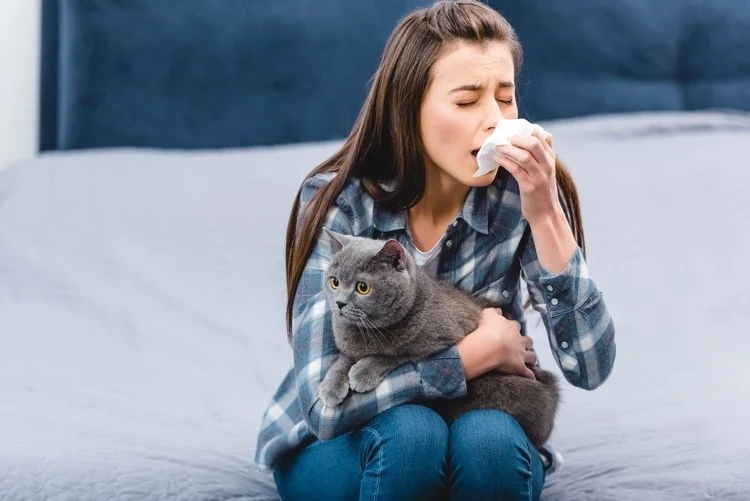
How to Prevent and Treat Allergies in Pets
- Understanding Pet Allergies
- Common Allergy Symptoms in Pets
- Causes of Allergies in Pets
- Preventing Allergies in Pets
- Treating Pet Allergies
1. Understanding Pet Allergies
Pet allergies are a common issue that can affect dogs, cats, and other animals. Allergies occur when a pet's immune system overreacts to substances that are usually harmless, such as pollen, dust mites, or certain foods. These reactions can cause discomfort and health issues for your pet, making it essential to identify and treat allergies promptly. In this article, we'll explore how to recognize allergies in pets and discuss effective methods for both prevention and treatment.2. Common Allergy Symptoms in Pets
Allergic reactions in pets can manifest in several ways. It's important to be vigilant and recognize the symptoms early. Some common allergy symptoms include:- Itchy skin: Persistent scratching, biting, or licking of certain body parts.
- Ear infections: Frequent ear scratching or shaking of the head, often accompanied by a foul odor.
- Red, watery eyes: Allergies can cause inflammation and redness in the eyes.
- Respiratory issues: Sneezing, coughing, or wheezing, especially during allergy season.
- Gastrointestinal issues: Vomiting or diarrhea can sometimes be linked to food allergies.
3. Causes of Allergies in Pets
There are various triggers for allergies in pets. The most common causes include:- Environmental allergens: Pollen, mold, dust mites, and other environmental factors can cause allergic reactions.
- Flea allergies: Fleas are a significant cause of allergies in pets, leading to intense itching and discomfort.
- Food allergies: Certain ingredients in pet food, such as chicken, beef, or grains, can trigger allergic reactions in some pets.
- Chemical sensitivities: Household cleaning products, fragrances, or grooming products may cause allergic responses.
4. Preventing Allergies in Pets
While it may not always be possible to completely prevent allergies in pets, there are steps you can take to reduce the risk:- Regular grooming: Bathing your pet regularly and brushing their fur can help remove allergens from their coat.
- Maintain a clean environment: Regularly vacuuming and dusting your home helps remove allergens from the air and surfaces.
- Flea prevention: Using flea preventatives and treating your pet with flea control products can help avoid flea-related allergies.
- Choose hypoallergenic foods: If your pet has food allergies, consult your vet about switching to hypoallergenic pet food.
- Limit exposure to known allergens: During high pollen seasons, try to keep your pet indoors or limit outdoor activities.
5. Treating Pet Allergies
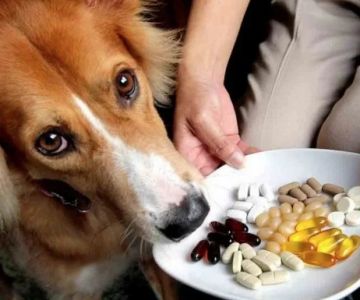
If your pet is already suffering from allergies, there are several treatment options available:- Medication: Your vet may prescribe antihistamines, steroids, or other medications to reduce inflammation and itching.
- Allergy shots: In some cases, allergy shots (immunotherapy) can help desensitize your pet to allergens over time.
- Specialized diets: For food allergies, a change in diet or the use of prescription allergy food may be recommended.
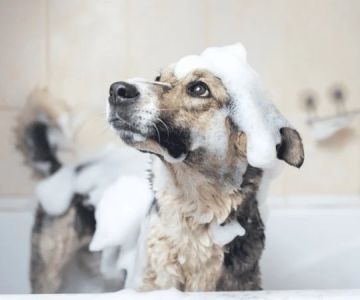
- Topical treatments: Medicated shampoos or sprays can help soothe the skin and reduce irritation caused by allergies.


 Middlebranch Veterinary4.0 (200 reviews)
 Buena Vista Animal Clinic4.0 (413 reviews)
 Hilltop Veterinary Clinic, LLC4.0 (97 reviews)
 Jefferson Animal Hospital4.0 (265 reviews)
 Reefocused, LLC3.0 (6 reviews)
 Foxboro Animal Hospital4.0 (292 reviews)
 Tips for Preventing Hairballs in Long-Haired Cats: Grooming, Diet, and Care
 How to Choose the Best Pet Food for Allergies or Sensitivities
 How to Provide Comfort for Pets with Separation Anxiety
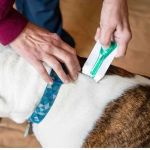 How to Safely Administer Flea Treatments to Your Pet | Brothers Pets
 How to Help Your Pet Cope with Separation from You
 Effective Tips for Preventing Hairballs in Long-Haired Cats – Keep Your Cat Healthy