
- Why Flea Treatments Are Important
- Types of Flea Treatments Available
- Steps to Safely Apply Flea Treatments
- Common Mistakes to Avoid
- Choosing the Right Flea Treatment for Your Pet
- When to Contact the Vet
1. Why Flea Treatments Are Important
Fleas are more than just a nuisance for your pet. These tiny parasites can cause serious health problems for your furry friends, including skin irritation, allergic reactions, and even the transmission of diseases like tapeworms and flea-borne diseases. Effective flea treatment is essential for maintaining your pet’s health and well-being.
By preventing flea infestations early, you reduce the risk of severe discomfort or infections in your pets. Consistent flea treatment can also protect your home and other pets from becoming infected.
2. Types of Flea Treatments Available
There are various methods of treating fleas on your pets, and choosing the right one depends on your pet’s age, size, and health. Here are some common types of flea treatments:
2.1 Topical Treatments
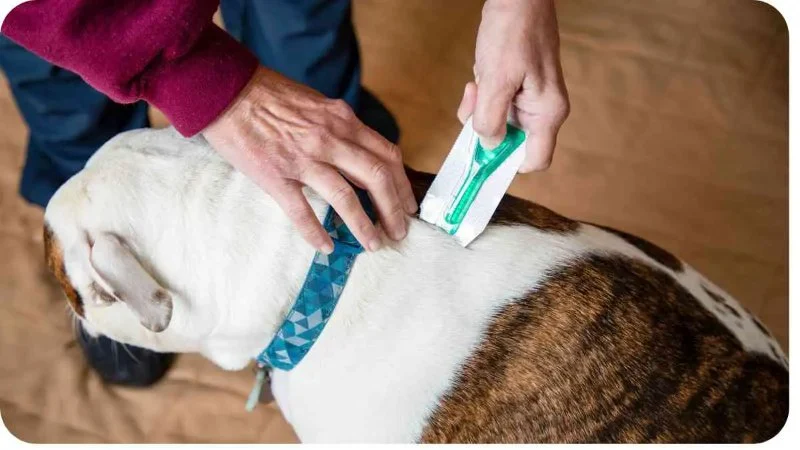
Topical flea treatments are applied directly to your pet’s skin, usually between their shoulder blades. These treatments work by spreading over your pet's body, killing fleas on contact. Topical treatments are fast-acting and often come in monthly doses.
2.2 Oral Flea Medications
Oral flea medications are pills that your pet ingests, which then circulate through their bloodstream to kill fleas. These medications may require a prescription, and it’s important to follow the vet’s instructions for proper administration.
2.3 Flea Collars
Flea collars are another effective option. These collars release chemicals that repel or kill fleas, providing continuous protection for your pet for several months.
2.4 Flea Shampoos and Sprays
Shampoos and sprays are suitable for immediate relief from fleas. However, they often need to be reapplied frequently and may not offer long-term protection.
3. Steps to Safely Apply Flea Treatments
Administering flea treatments to your pet should be done carefully to ensure both their safety and the treatment’s effectiveness. Here’s a step-by-step guide to help you:
3.1 Read the Instructions Carefully
Before administering any flea treatment, always read the instructions provided on the packaging or by your vet. This ensures you use the correct dosage and method.
3.2 Prepare Your Pet
Make sure your pet is calm and comfortable before applying the treatment. If you’re using a topical treatment, hold your pet still and part their fur to expose the skin. For oral treatments, you may need to hide the pill in a treat.
3.3 Apply or Administer the Treatment
Apply the treatment as directed. If you’re using a topical treatment, apply it directly to the skin, not the fur. For oral medications, ensure your pet consumes the entire dose.
3.4 Monitor Your Pet
After administering the treatment, monitor your pet for any signs of discomfort or adverse reactions. If anything unusual happens, contact your vet immediately.
4. Common Mistakes to Avoid
Many pet owners make mistakes when it comes to flea treatment, which can reduce the treatment’s effectiveness or even harm their pets. Here are a few things to avoid:
4.1 Not Following Dosage Instructions
One of the biggest mistakes is not following the proper dosage instructions. Giving too much or too little of the treatment can lead to ineffective results or harm your pet.
4.2 Mixing Different Treatments
Mixing different types of flea treatments, such as combining topical treatments with oral medications, can lead to dangerous overdoses or negative reactions. Always consult your vet before combining treatments.
4.3 Forgetting to Treat the Environment
Flea treatments only address the fleas on your pet, but fleas can live in your home and yard as well. Remember to treat your pet’s environment for a more thorough solution to flea problems.
5. Choosing the Right Flea Treatment for Your Pet
Choosing the right flea treatment is crucial for your pet’s health and comfort. Several factors influence this decision:
5.1 Pet’s Age and Health
Some flea treatments are not suitable for puppies, kittens, or pets with certain health conditions. Always consult your vet to find a treatment that is appropriate for your pet’s age and medical history.
5.2 Type of Flea Problem
The severity of the flea problem can determine the type of treatment needed. If your pet has a severe flea infestation, stronger treatments or a combination of methods may be required.
5.3 Lifestyle Considerations
Consider your pet’s lifestyle when choosing a flea treatment. If your pet spends a lot of time outdoors, they may need a longer-lasting or more potent flea treatment.
6. When to Contact the Vet
If you notice any unusual symptoms after applying flea treatments, such as excessive itching, vomiting, or lethargy, it’s important to contact your vet right away. They can guide you on how to manage the reaction or suggest alternative treatments.
In addition, if your pet continues to have a flea problem despite using treatments, your vet can help identify the cause and recommend a more effective plan.
For more advice on flea prevention and to find the best flea treatment products for your pet, visit Brothers Pets, where we offer expert recommendations tailored to your pet’s needs.





 Manchester Veterinary Clinic: Soutter Alexis DVM5.0 (3 reviews)
 Goodman M DVM3.0 (8 reviews)
 Pumpkin Hill Veterinary Clinic4.0 (462 reviews)
 Currahee Veterinary Clinic4.0 (340 reviews)
 VIP Petcare Vaccination Clinic0.0 (0 reviews)
 Norwichtown Veterinary Hospital4.0 (285 reviews)
 Understanding Pet Grooming Tools: What You Need for Effective Care
 How to Clean Your Cat’s Ears Safely at Home in 2024
 Top Puppy Training Mistakes and How to Avoid Them
 How to Manage Your Pet's Stress and Anxiety Levels: Effective Tips and Strategies
 Understanding Pet Nutrition: What to Feed Your Pet
 What Every Pet Owner Should Know About Pet Behavior