
- 1. Why Pet Grooming is Important
- 2. The Essential Tools for Grooming Your Pet
- 3. How to Choose the Right Grooming Tools for Your Pet
- 4. Grooming Tips and Tricks
- 5. Regular Grooming Maintenance and Care
1. Why Pet Grooming is Important
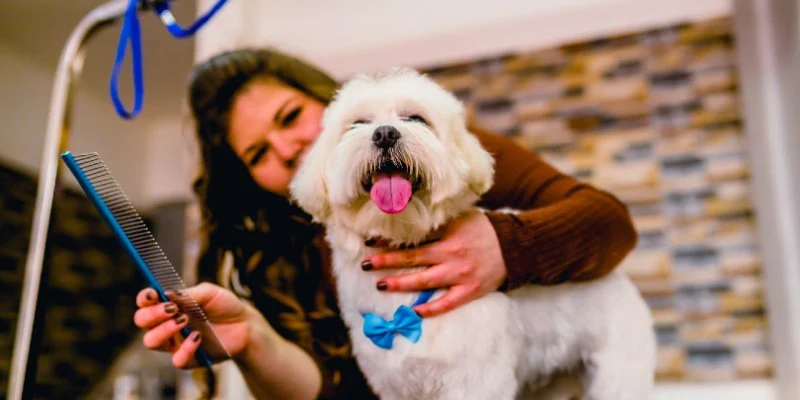
Pet grooming is essential for the health and well-being of your pet. Regular grooming helps to maintain a shiny, healthy coat, prevents matting, reduces shedding, and ensures that your pet’s skin remains clean and free of infections. Moreover, grooming is a great way to bond with your pet and keep a close eye on their overall health. In this guide, we’ll explore the best grooming tools you need to effectively care for your pet, whether they are a dog, cat, or any other furry companion.
2. The Essential Tools for Grooming Your Pet
There are a variety of grooming tools that help with different aspects of your pet’s care. Below are the most important tools that should be in every pet owner’s grooming kit:
2.1. Grooming Brushes
Brushes are vital for keeping your pet’s fur in top condition. Depending on your pet’s coat type, you’ll need a different kind of brush:
- Slicker Brushes: Great for removing mats and tangles in longer coats.
- Pin Brushes: Ideal for pets with longer, silky coats.
- Deshedding Brushes: Perfect for reducing shedding in short-haired breeds.
2.2. Grooming Clippers and Scissors
For pets that require trimming or clipping, having high-quality clippers or grooming scissors is essential. These tools help to safely trim fur, nails, and even sensitive areas like around the eyes and ears. Make sure to choose clippers designed specifically for pets to avoid injury.
2.3. Nail Clippers
Trimming your pet’s nails is an important part of grooming, as overgrown nails can lead to discomfort or injury. Choose pet-specific nail clippers, which come in different styles such as guillotine, scissor, or plier-style clippers, depending on your comfort level and your pet’s temperament.
2.4. Ear and Eye Care Tools
Keeping your pet’s ears and eyes clean is crucial for preventing infections. Use soft wipes or ear cleaners to remove dirt and wax buildup, and use safe eye care products to keep the area around your pet’s eyes clean.
3. How to Choose the Right Grooming Tools for Your Pet
Choosing the right grooming tools depends on several factors, such as your pet’s breed, coat type, and grooming needs. Here are some guidelines to help you make the right choice:
3.1. Consider Your Pet’s Coat Type
Different coats require different grooming tools. Long-haired breeds like Poodles or Persians need more specialized brushes to prevent tangles, while short-haired pets may need tools for deshedding. Always match the tool to your pet's specific coat needs to ensure the best results.
3.2. Size and Comfort
Make sure to choose grooming tools that are appropriate for the size of your pet. Large dogs require heavy-duty tools, while smaller pets need more delicate options. Comfort is also key, so select tools that are easy for you to handle during grooming sessions.
3.3. Your Pet’s Temperament
If your pet is nervous or doesn’t enjoy grooming, you may need to start with gentler tools that are less intimidating. Over time, you can transition to more specialized tools once your pet becomes more comfortable.
4. Grooming Tips and Tricks
Here are some tips to make grooming a more enjoyable experience for both you and your pet:
4.1. Start Early
The earlier you introduce grooming to your pet, the easier it will be for both of you. Start with short sessions, gradually increasing the length as your pet becomes more accustomed to the process.
4.2. Be Gentle
Always use gentle motions when grooming your pet. Avoid pulling on the fur or causing discomfort, especially when brushing out tangles or trimming nails.
4.3. Make it Fun
Make grooming a positive experience by offering rewards like treats and praise after each session. This will help your pet associate grooming with something enjoyable.
5. Regular Grooming Maintenance and Care
Consistency is key when it comes to grooming. Regular grooming helps keep your pet comfortable, healthy, and looking great. Here are a few maintenance tips:
- Brush Regularly: Depending on your pet’s coat, brush them weekly or even daily to prevent tangles and mats.
- Schedule Professional Grooming: Some pets, especially those with thick coats, may require professional grooming sessions every few months to maintain their coat health.
- Keep Tools Clean: Always clean your grooming tools after each use to ensure they remain effective and hygienic.
Incorporating these grooming tools and tips into your pet care routine will not only keep your pet looking their best, but it will also improve their overall health. For high-quality grooming products, check out [Brothers Pets](#) for the best deals and recommendations on pet grooming tools!


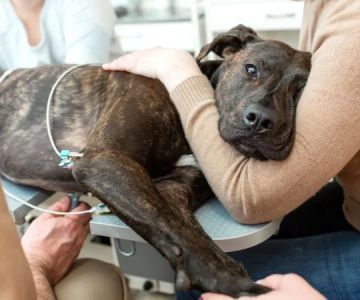
 Five Elements Veterinary Alternatives4.0 (162 reviews)
 Kinnicroix & River Falls Vet4.0 (54 reviews)
 Town & Country Veterinary Clinic4.0 (306 reviews)
 PetVet Vaccination Clinic0.0 (0 reviews)
 Southern Hills Veterinary Hospital4.0 (111 reviews)
 Ozone Park Animal Clinic4.0 (110 reviews)
 How to Choose the Right Dog Breeder for a Healthy Pet
 Signs Your Cat Needs Professional Dental Cleaning
 Top 9 Tips for Pet Training – Expert Advice for Happier, Well-Behaved Pets
 Human Foods That Are Surprisingly Safe for Dogs
 What to Know Before Choosing a Grain-Free Pet Food
 How to Keep Your Pet’s Coat Free from Tangles and Mats